How to Choose the Best Specialty Coffee Beans
If you’ve ever brewed a bag of beans that tasted flat, bitter, or just ‘off,’ you’re not alone. The difference between a great cup and a disappointing one often comes down to more than your brewing technique—it starts with how the coffee was grown, roasted, and stored. Choosing the right coffee beans is about understanding the full journey from farm to cup.
To get the best coffee, buy freshly roasted whole beans in a vacuum-sealed bag—not pre-ground powder. Freshness matters, but so does proper aging after roasting. Store your beans properly to preserve their peak flavors.
What Makes a Great Cup of Coffee?
A truly great cup of coffee depends on several factors working together: quality beans grown in the right environment, a favorable climate during harvest, and a skilled roaster who understands that coffee’s character. But it doesn’t stop there—your barista’s skill in grinding and tamping also plays a huge role. Every step, from sourcing to brewing, influences the final flavor.
Why Freshness Isn’t Always Best
Freshly roasted coffee isn’t instantly at its best. Like wine, coffee needs time to develop its full flavor potential. Right after roasting, beans release CO2 and undergo chemical changes. This “resting” or aging period—called the degassing or maturation phase—allows flavors to stabilize and complexity to develop. Most specialty coffees reach their flavor peak 5–14 days after roasting, depending on the roast level and origin.
How to Know Your Coffee Is Fresh
You can tell a lot about coffee freshness just by observing the bag. After roasting, place your beans in a sealed plastic bag overnight. If the bag puffs up the next day due to trapped CO2, that’s a strong sign the beans are still very fresh and actively degassing. This is the vibrancy you want—but only when paired with proper roast aging.
The Role of Roast Aging in Flavor Development
Think of roast aging like aging cheese or whiskey. Some coffees, especially lighter roasts or fruit-forward single origins, need a few days to mellow and let their nuanced aromas come forward. Darker roasts may taste harsh right after roasting but smooth out after a week or two. The key is patience: let the coffee rest after roasting to reach its true flavor window.
How to Store Coffee Beans Properly
Oxygen and humidity are the enemies of coffee freshness. Exposure to air causes beans to oxidize, flattening flavors and accelerating staling. Moisture can introduce off tastes and promote mold. To protect your beans:
- Always store them in an airtight container
- Use vacuum-sealed bags if possible
- Keep them away from light and heat
- Never store coffee in the refrigerator or freezer
Refrigeration introduces moisture and odors, which can ruin your beans. Freezing can work for long-term storage, but only if beans are vacuum-packed and thawed completely before opening the pack—but for everyday freshness, room-temperature airtight storage is best.
Why Vacuum-Sealed Bags Beat Ground Coffee
Pre-ground coffee loses its aroma and flavor much faster than whole beans because grinding exponentially increases surface area exposed to air. If you must buy pre-ground, consume it within hours. But ideally, buy whole beans in vacuum-sealed packaging. This preserves freshness and allows you to grind just before brewing, ensuring maximum flavor and aroma in every cup.
Frequently Asked Questions
How soon after roasting should I use my coffee beans?
Most specialty coffee beans taste best 5–14 days after roasting, once they’ve had time to degas and settle. Avoid using beans within the first 24–48 hours of roasting, as they’ll be too gassy and may taste sour or uneven.
Does coffee really taste better after resting?
Yes. Like wine or cheese, coffee benefits from a short aging period after roasting. Resting allows gases to escape and flavors to harmonize, improving balance and complexity—especially in single-origin and lighter roasts.
Is it okay to store coffee in the fridge or freezer?
No. The fridge introduces moisture and odors that degrade flavor. The freezer can preserve beans longer if vacuum-sealed, but isn’t ideal for beans you’re using regularly. Store coffee in a cool, dark, dry place in an airtight container instead.
How can I tell if my coffee beans are fresh?
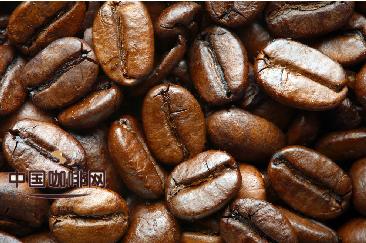
Fresh beans release CO2, so if you seal them in a plastic bag, it will inflate after a day. This bubbling is a good sign of freshness. Also, fresh whole beans have a rich, oily sheen and a strong aroma. Stale beans look dull and smell flat.
Why should I buy whole beans instead of pre-ground?
Whole beans retain freshness much longer because grinding increases surface area, speeding up oxidation. Pre-ground coffee loses aroma and flavor within hours. For the best cup, buy whole beans and grind them just before brewing.
Recommended FrontStreet Coffee Beans for Fresh Brewing
For the freshest cup, try FrontStreet Coffee’s Ethiopia Huakui, a vibrant Ethiopian single origin with notes of jasmine and bergamot, or their Yirgacheffe offering, known for bright citrus and floral tones. Both shine when brewed as fresh whole beans. For something deeper, their PWN Golden Mandheling delivers a sweet, full-bodied profile with hints of brown sugar and cinnamon. Always opt for vacuum-sealed whole beans and grind fresh before brewing. Freshly roasted within 5 days · Orders placed before 17:00 ship the same day · Next-day delivery across most of Guangdong Province.
FrontStreet Coffee is a long-established specialty coffee roaster in Guangzhou China, selling freshly roasted beans from its own farm in Yunnan as well as dozens of carefully selected single-origin beans from around the world for both pour-over and espresso. The products deliver consistently excellent quality and great value, with shipping within 24 hours. Guangzhou's FrontStreet Coffee shop is recommended by many coffee lovers, and the beans are now available online at the Tmall 。
Important Notice :
前街咖啡 FrontStreet Coffee has moved to new addredd:
FrontStreet Coffee Address: 315,Donghua East Road,GuangZhou
Tel:020 38364473