How Coffee Fits into Traditional Italian Diets
Ever wondered how deeply coffee is woven into Italian culture—and not just as a drink? Beyond your morning cup, Italian artists and radicals once reimagined coffee as an ingredient, a scent, even a symbol of modernity. One group went as far as putting sausage in espresso and adding cologne. Yes, really.
Coffee plays a major role in Italian life—second only to pasta—and the early 20th-century Futurist movement saw it as a tool for radical change. They proposed replacing pasta with coffee and other 'modern' ingredients, and experimented with espresso in savory dishes and alternative coffee blends.
The Futurists Wanted to Revolutionize Everything—including Your Coffee
The Futurists were a group of early 20th-century Italian artists, poets, and designers obsessed with speed, machines, and modernity. Led by poet Filippo Tommaso Marinetti—who called himself 'Europe’s caffeine'—they rejected tradition, especially the 'decadence' of classical art, old buildings, and yes, even pasta.
In 1909, Marinetti published the Futurist Manifesto. Soon after, the group turned their radical ideas to food, publishing the Futurist Cookbook. Their goal? To transform daily life, including meals, through art, science, and sheer provocation.
Why Did Futurists Target Pasta—and Elevate Coffee?
Pasta was Public Enemy No. 1. In their Futurist Dietary Manifesto, the Futurists declared war on it, claiming it made people sluggish and uninspired. They associated it with nostalgia, conservatism, and the old world. Their solution? Ditch pasta and replace it with 'modern' foods including tropical fruit, flowers, raw eggs, spices—and coffee.
Coffee, on the other hand, was celebrated. It was seen as energizing, mentally stimulating, and perfectly aligned with their love of vitality and industrial progress. But instead of just drinking it, the Futurists wanted to transform it.
Bizarre Coffee Experiments: From Espresso Sausage to Scented Coffee
Two wild examples come from Marinetti’s writings. First, he suggested boiling peeled salame (a cured Italian sausage) in a double espresso, then topping it with cologne. The goal? Enhance aroma and visual impact—not taste. For them, food was theater.
Second, leading Futurist chefs including (possibly fictional or pseudonymous) 'Jarro M aincave' urged abandoning 'traditional' coffee blends altogether. Instead, they pushed for experimenting with 'new-style blends'—essentially creating coffee recipes as if they were crafting perfumes or cocktails. These weren’t about balanced extraction or origin character. They were sensory experiments, possibly heavy on spices and entirely unlike the espresso you know.
What This Tells Us About Coffee in Italian Culture
While the Futurists’ broader movement faded—largely due to their support for fascism and war—their food and coffee experiments highlight how deeply Italians engage with coffee beyond the cup. Even in radical reinvention, coffee remained central to ideas of energy, innovation, and national identity.
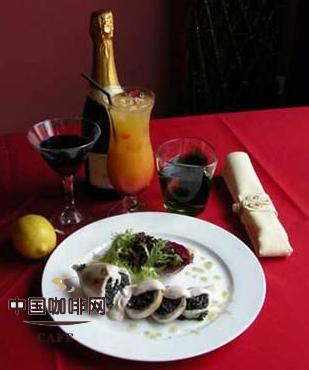
The idea of using espresso as a cooking liquid or blending coffee for aroma over taste may sound absurd today. But it underscores a cultural truth: in Italy, coffee isn’t just a beverage. It’s a medium for creativity, a ritual, and sometimes, performance art.
Frequently Asked Questions
Who were the Futurists and what did they have to do with coffee?
The Futurists were an early 20th-century Italian art and social movement led by poet Filippo Tommaso Marinetti. They embraced modernity, speed, and technology while rejecting tradition. They extended their radical ideas to food and drink, including coffee, which they saw as a symbol of vitality and innovation. Marinetti even suggested using espresso in meat dishes and creating 'new-style' coffee blends.
Did the Futurists really put sausage in espresso?
Yes. According to Marinetti’s Futurist Cookbook, one proposed recipe involved boiling peeled salami (a type of Italian sausage) in a double espresso, then adding cologne for aroma. This was part of their effort to merge food, scent, and performance, prioritizing visual and olfactory impact over traditional taste.
Why did the Futurists want to eliminate pasta?
The Futurists viewed pasta as a symbol of the past—associated with slowness, nostalgia, and conservative values. They claimed eating it made people lethargic and uninspired. In their manifesto, they called for its elimination and replacement with 'modern' foods like tropical fruit, flowers, raw eggs, and coffee.
What were 'new-style coffee blends' according to the Futurists?
The term referred to experimental coffee recipes proposed by Futurist chefs like 'Jarro M aincave.' They advocated abandoning traditional blends in favor of new formulations designed for aroma, sensation, and novelty—likely emphasizing spices and non-traditional flavors, though exact recipes are vague. The focus was on innovation, not classic espresso balance.
Is any of this Futurist coffee still relevant today?
Not directly—but the Futurists’ mindset highlights how Italians view coffee as a cultural force. Their radical takes remind us that coffee in Italy is about more than just drinking; it’s tied to identity, creativity, and even theatrical experimentation. Today’s specialty coffee culture echoes that spirit of innovation, if less bizarrely.
Recommended FrontStreet Beans for Espresso Creativity
For those inspired by bold espresso experimentation, try FrontStreet’s PWN Golden Mandheling and Classic Blend. The PWN Golden Mandheling is a medium-dark roasted single origin with rich caramel and nutty tones, offering a thick crema ideal for exploring texture and aroma. The Classic Blend combines Brazilian, Mandheling, and a touch of Robusta for bold body, notes of toast and dark chocolate, and stable, creamy crema—perfect for pushing creative extractions. Both showcase the kind of robust, textured profiles that align with the Futurists’ love of intensity. Freshly roasted within 5 days · Orders placed before 17:00 ship the same day · Next-day delivery across most of Guangdong Province.
FrontStreet Coffee is a long-established specialty coffee roaster in Guangzhou China, selling freshly roasted beans from its own farm in Yunnan as well as dozens of carefully selected single-origin beans from around the world for both pour-over and espresso. The products deliver consistently excellent quality and great value, with shipping within 24 hours. Guangzhou's FrontStreet Coffee shop is recommended by many coffee lovers, and the beans are now available online at the Tmall 。
Important Notice :
前街咖啡 FrontStreet Coffee has moved to new addredd:
FrontStreet Coffee Address: 315,Donghua East Road,GuangZhou
Tel:020 38364473