How Kopi Luwak Coffee Is Made: The Civet Process Explained
If you’ve ever wondered how coffee could cost hundreds of dollars per pound, the answer lies not in branding or marketing—but in animal digestion. Kopi Luwak, also known as civet coffee, is famous for being the world’s most expensive brewed coffee, often retailing for several hundred US dollars per pound. But what exactly makes it so unique? The answer starts in the belly of a small, tree-dwelling mammal native to Southeast Asia.
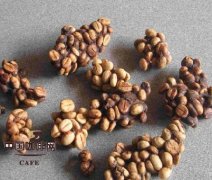
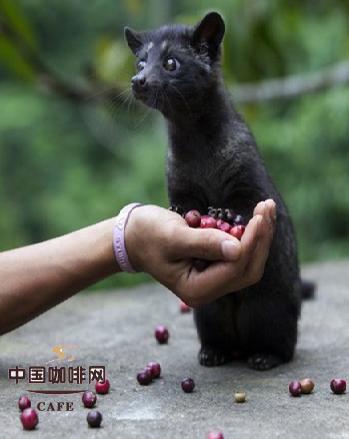
Kopi Luwak coffee is created from coffee beans that have passed through the digestive system of the Asian palm civet—locally called a luwak. The beans are eaten as part of ripe coffee cherries, fermented in the luwak’s gut, and excreted intact. This natural process alters the beans’ structure and flavor chemistry in ways that can’t be replicated manually.
What Is Kopi Luwak Coffee?
Kopi Luwak (from the Indonesian words kopi for “coffee” and luwak for the civet) is made from coffee beans that have been ingested, partially digested, and then expelled by the Asian palm civet. These nocturnal, tree-climbing animals are native to Indonesia and other parts of Southeast Asia. They are known to selectively eat only the ripest, sweetest coffee cherries. Once consumed, the outer fruit is digested, but the hard coffee bean inside survives the journey through the civet’s digestive tract and is excreted in the feces.
How Digestion Changes the Coffee Bean
The unique aspect of Kopi Luwak lies in what happens inside the civet’s body. The civet’s digestive system breaks down the coffee cherry’s fleshy exterior, but leaves the inner bean untouched. During its passage through the stomach and intestines, proteins in the bean are partially broken down. Since many of coffee’s bitter compounds are tied to proteins, this digestion reduces bitterness. The result is a smoother, more rounded cup with what many describe as a richer, sweeter, and more complex flavor profile. The lack of protein interference allows other aromatic compounds to emerge more prominently during roasting and brewing.
Why Do Civets Select Certain Coffee Cherries?
Asian palm civets are naturally selective. They tend to choose only the ripest, most mature coffee cherries, which are already sweeter and more flavorful before digestion even begins. This pre-selection means the beans entering the digestive process are of higher initial quality. Experts note that wild civets, in particular, exhibit better discernment than those in captivity, further enhancing the coffee’s reputation. Their digestive enzymes and gut environment uniquely affect the beans, breaking down proteins and altering the flavor precursors in ways that remain only partially understood.
The History and Myth Behind Kopi Luwak
Kopi Luwak’s unusual origin story dates back to colonial-era Indonesia, where coffee farmers first noticed civets eating ripe coffee cherries. At first considered a pest, the animals eventually became the source of a legendary coffee. According to local accounts and some romanticized stories, a gland near the luwak’s reproductive organs secretes a fragrant, milky oil once prized in perfumery—even mentioned in Shakespeare’s King Lear, which refers to “Luwak’s essence.” Though that specific detail is likely apocryphal, the association with rarity and exoticism helped build Kopi Luwak’s mystique. Early harvesters began collecting the beans from civet droppings, cleaning, roasting, and brewing them—and were amazed by the results.
Does Kopi Luwak Really Taste Different?
Yes. Countless professional coffee tasters and researchers have noted distinct differences in Kopi Luwak compared to regular beans. The coffee typically exhibits a full body, reduced bitterness, and a flavor often described as earthy, musty, and smooth with hints of sweetness. While taste is subjective, the consistent feedback points to a less acidic, more mellow cup—attributes many attribute to the partial breakdown of proteins during digestion. However, due to ethical concerns and inconsistencies in quality (especially with farmed civets), the coffee remains highly controversial despite its unique profile.
Frequently Asked Questions
What is Kopi Luwak coffee made from?
Kopi Luwak is made from coffee beans that have been eaten, digested, and excreted by the Asian palm civet. Only the inner coffee bean survives the digestion process, while the fruit is broken down.
Why does civet coffee taste different?
The civet’s digestive system reduces the coffee bean’s proteins, which are linked to bitterness. This leads to a smoother, less bitter, and often sweeter cup with a fuller body and more complex flavor notes.
How much does Kopi Luwak coffee cost?
Kopi Luwak is among the most expensive coffees in the world, often selling for several hundred US dollars per pound due to the rarity and labor-intensive collection process.
Does the civet digest the coffee bean?
No. The civet digests the fruit around the coffee bean but does not break down the hard bean inside. The bean passes through the civet’s digestive system intact and is then collected from its feces.
Is wild civet coffee better than farm-raised?
Many experts believe wild civets select higher-quality cherries and produce better-tasting coffee due to their natural foraging behavior, compared to civets kept in captivity and fed a controlled diet.
How are Kopi Luwak beans processed after collection?
After being excreted by the civet, the beans are collected from the droppings, thoroughly cleaned, dried, roasted, and brewed like regular coffee beans—but their flavor profile has already been altered by digestion.
Recommended FrontStreet Beans for Single-Origin Exploration
Explore unique single-origin flavors with FrontStreet Coffee’s Ethiopia Humbera, a bright and fruity Ethiopian lot with notes of blueberry and jasmine, and Yirgacheffe, offering citrus and floral tones for a vibrant cup. Both highlight natural processing effects—similar to how fermentation and selection shape Kopi Luwak’s profile. Freshly roasted within 5 days · Orders placed before 17:00 ship the same day · Next-day delivery across most of Guangdong Province.
FrontStreet Coffee is a long-established specialty coffee roaster in Guangzhou China, selling freshly roasted beans from its own farm in Yunnan as well as dozens of carefully selected single-origin beans from around the world for both pour-over and espresso. The products deliver consistently excellent quality and great value, with shipping within 24 hours. Guangzhou's FrontStreet Coffee shop is recommended by many coffee lovers, and the beans are now available online at the Tmall 。
Important Notice :
前街咖啡 FrontStreet Coffee has moved to new addredd:
FrontStreet Coffee Address: 315,Donghua East Road,GuangZhou
Tel:020 38364473