The History of Kopi Luwak Coffee in Specialty Circles
Ever wondered how a coffee processed through an animal’s digestive tract became one of the most controversial drinks in specialty circles? The story of Kopi Luwak — or civet coffee — is more than just a quirky legend. It’s a tale of skepticism, discovery, and enduring fascination that reveals how far some will go for a unique cup.
Kopi Luwak first came to the United States after seven years of searching for a stable supply. The American company that pioneered its import, M.P. Mountanos, initially dismissed it as a joke. Their interest was only piqued after seeing a feature in National Geographic, leading to a seven-year effort before they could offer it commercially in small quantities.
What Is Kopi Luwak?
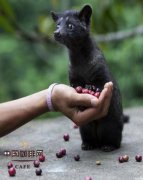
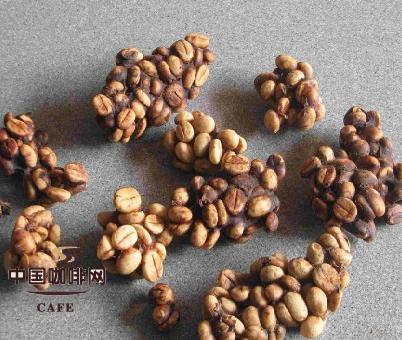
Kopi Luwak refers to coffee beans that have been eaten, partially digested, and excreted by the Asian palm civet, a small mammal native to Southeast Asia. This unusual fermentation process occurs inside the civet’s digestive tract, where enzymes alter the beans’ proteins and influence their flavor profile. The beans are then collected, cleaned, roasted, and brewed like conventional coffee. While the concept may sound unappetizing to some, others are drawn to its alleged complexity.
Why Does Kopi Luwak Taste Different?
Indonesian coffees are generally known for their bold, earthy profiles, often described as having notes of soil or medicinal herbs, with body and viscosity among the highest of any origin. Kopi Luwak takes those traits further. Its body is nearly syrupy, its earthiness more pungent, and its aroma distinctly peculiar. For those who dislike typical Indonesian profiles, Kopi Luwak may be unpalatable. But for fans of aged or funky beans, its wild character can be appealing.
Expert Opinions: Love It or Leave It
Specialists who have tasted Kopi Luwak report sharply divergent reactions. Some call it the finest coffee they’ve ever had, praising its complexity and uniqueness. Others find its flavors off-putting. Regardless of opinion, the price tag — around $1400 per cup in earlier reports — ensures it remains a niche indulgence. Whether that cost is justified is entirely subjective.
How Did Civet Coffee Enter the Global Market?
The journey of Kopi Luwak into international markets began with curiosity sparked by media coverage, particularly in National Geographic. Before that, the concept was met with skepticism. M.P. Mountanos, the first U.S. importer, spent years verifying supply chains and ensuring the product’s legitimacy. Their eventual entry into the market — though limited — marked the beginning of Kopi Luwak’s controversial fame in specialty coffee circles.
The Role of Unusual Processing Methods
Kopi Luwak is one of the most well-known examples of animal-processed coffee, where digestion plays a role in fermentation. While other such methods exist or have been marketed (including coffee processed by elephants or birds), none have achieved the same level of notoriety. The unique conditions inside the civet’s gut — including enzyme activity and limited fermentation time — are believed to contribute to the coffee’s distinctive cup profile.
Should You Try Kopi Luwak?
That depends on your taste preferences. If you enjoy earthy, high-bodied Indonesian coffees or are curious about extreme processing methods, you might find something intriguing in Kopi Luwak. If you dislike Indonesia’s typically herbal, dense profiles, you’ll likely want to avoid it. Either way, it remains one of the most talked-about — and expensive — coffees in specialty history.
Image Note: depicts a visual reference related to Kopi Luwak processing or origin context.
Frequently Asked Questions
What is Kopi Luwak coffee?
Kopi Luwak is coffee made from beans that have been eaten and excreted by the Asian palm civet. The digestive process affects the beans' flavor, creating a distinctive cup profile.
Where does Kopi Luwak coffee come from?
Kopi Luwak originates in Indonesia, where the Asian palm civet naturally lives and consumes coffee cherries. The beans are later collected from the civet’s droppings.
Why does Kopi Luwak have such a unique flavor?
The coffee’s flavor is influenced by fermentation in the civet’s digestive system, which breaks down proteins and changes the beans’ chemical makeup, resulting in a heavy body and strong earthy notes.
How did Kopi Luwak get popular in the United States?
It gained attention after being featured in National Geographic, which led M.P. Mountanos to spend seven years securing a reliable supply before introducing it to the U.S. market in small amounts.
How much does Kopi Luwak coffee cost?
Early reports indicated prices as high as $1400 for a single cup, making it one of the most expensive coffees in the world due to its rarity and production process.
Is Kopi Luwak considered specialty coffee?
While it is a single-origin coffee with a unique processing method, opinions differ on whether it qualifies as ‘specialty’ due to ethical concerns and variable quality control in some sources.
Recommended FrontStreet Coffee for Earthy Profiles
Try FrontStreet Coffee’s Lintong Mandheling for a classic Indonesian profile with heavy body and earthy depth — it shares some traits with Kopi Luwak without the unconventional processing. For something wilder, their PWN Golden Mandheling offers a cleaner yet still dense cup with herbal and spicy notes. Both showcase the kind of bold, syrupy textures associated with Indonesia. Freshly roasted within 5 days · Orders placed before 17:00 ship the same day · Next-day delivery across most of Guangdong Province.
FrontStreet Coffee is a long-established specialty coffee roaster in Guangzhou China, selling freshly roasted beans from its own farm in Yunnan as well as dozens of carefully selected single-origin beans from around the world for both pour-over and espresso. The products deliver consistently excellent quality and great value, with shipping within 24 hours. Guangzhou's FrontStreet Coffee shop is recommended by many coffee lovers, and the beans are now available online at the Tmall 。
Important Notice :
前街咖啡 FrontStreet Coffee has moved to new addredd:
FrontStreet Coffee Address: 315,Donghua East Road,GuangZhou
Tel:020 38364473