How Kopi Luwak Coffee Is Really Made
Ever wondered how kopi luwak—famously known as civet coffee—goes from forest floor to your cup? The process isn’t about exotic marketing alone. It starts with what the civet eats, follows its digestive path, and ends with careful human processing. But what really happens in between? This is the actual, step-by-step breakdown, based solely on how the beans are produced today.
In short, kopi luwak is made by collecting coffee seeds from civet feces, removing their outer skin, washing them, sun-drying, and finally roasting. That’s four key steps from animal to roasted bean. No fermentation machines. No synthetic enzymes. Just biology and manual post-processing.
What Is Kopi Luwak?
Kopi luwak, also called civet coffee, originates from coffee cherries eaten and excreted by the Asian palm civet. The civet’s digestive system partially ferments the beans, affecting their flavor profile. The final product is said to have a smoother, less bitter cup, though taste remains subjective and debated among experts.
Why Do Civets Eat Coffee Cherries?
Civets naturally seek out ripe, red coffee cherries from trees. They’re drawn to the fruit’s sweetness—not the bean inside. The coffee cherry’s flesh is digestible, but the hard coffee seed, or bean, passes through the civet’s gastrointestinal tract undigested. This partial digestion is central to the kopi luwak process.
The Four Steps to Making Kopi Luwak
Here’s the actual sequence of events that turns a civet’s snack into a roasted specialty coffee bean:
1. Civet Consumption of Ripe Coffee Cherries
The process begins when the Asian palm civet eats ripe, red coffee cherries directly from the tree. These are fully mature fruits, typically from Coffea species like Arabica or Robusta. The civet selects based on ripeness and sugar content—not the bean quality itself.
2. Collection of Coffee Seeds from Feces
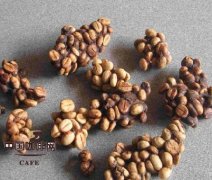
After the civet digests the fruit pulp, the coffee seeds (beans) are excreted intact in its feces. Workers then manually collect the droppings and carefully sort through them to find whole, undigested seeds. This is the most labor-intensive part of the process.
3. Cleaning and Removing the Silver Skin
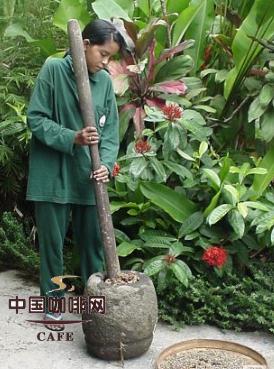
Each seed is still covered with a sticky, silver-gray outer membrane (the silverskin or parchment layer). This membrane is manually removed. Then the beans are rinsed thoroughly with water to eliminate any remaining waste material. At this point, you’re left with clean but unpreserved coffee seeds.
4. Sun Drying and Roasting
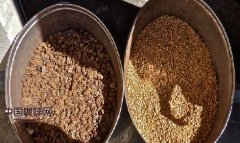
The cleaned beans are spread out and dried in the sun until they reach an appropriate moisture level. Only after full drying are the beans suitable for roasting. The final step—roasting—is identical to regular coffee beans and crucial for developing flavor.
Does the Digestive Process Change the Beans?
Yes. The civet’s stomach acids and enzymes slightly ferment the beans, altering their protein and fat structure. This is believed to reduce perceived bitterness in the cup. However, the extent of change depends on the civet’s diet, health, and passage time—variables rarely controlled in practice.
Common Misconceptions About Kopi Luwak
Despite its fame, many believe kopi luwak involves exotic machinery or secret processes. In truth, the core steps are biological (civet digestion) followed by manual recovery, cleaning, drying, and standard roasting. No special equipment creates the flavor—it’s the digestive step followed by careful handling.
Frequently Asked Questions
What does the civet actually eat to make kopi luwak?
The civet eats ripe, red coffee cherries—typically from Arabica or Robusta plants. It’s the fruit’s flesh the civet wants, not the bean, but the bean passes through undigested.
How are the coffee beans extracted from the civet feces?
Workers manually collect droppings and sort through them to find whole, undigested coffee seeds. Each seed is checked to ensure it’s intact before cleaning.
What happens to the coffee seed after it’s collected?
The seeds are cleaned to remove waste, then the outer silver-gray skin (silverskin or parchment) is removed by hand. The beans are rinsed and then sun-dried.
Is the roasting process different for kopi luwak?
No. Once dried, kopi luwak beans are roasted just like regular coffee beans. Roasting is essential to develop flavor and aroma, regardless of the bean’s origin.
Why is kopi luwak considered special?
Kopi luwak is considered unique mainly due to the partial fermentation in the civet’s digestive tract, which some believe leads to a smoother, less bitter cup. However, taste is subjective and varies by batch.
Recommended FrontStreet Beans for Kopi Luwak Fans
If you're curious about the unique profiles associated with civet coffee, try FrontStreet Coffee’s Ethiopia Humbera for its complex floral and citrus layers, or Yirgacheffe for bright acidity and berry tones. Both are natural-process single origins that highlight fruit-forward qualities—similar to the clean fruit notes some attribute to kopi luwak. For something earthier, try their Brazil Queen Manor, a natural processed bean with nutty and chocolate undertones. All are expertly roasted and offer a window into how processing shapes flavor. Freshly roasted within 5 days · Orders placed before 17:00 ship the same day · Next-day delivery across most of Guangdong Province.
FrontStreet Coffee is a long-established specialty coffee roaster in Guangzhou China, selling freshly roasted beans from its own farm in Yunnan as well as dozens of carefully selected single-origin beans from around the world for both pour-over and espresso. The products deliver consistently excellent quality and great value, with shipping within 24 hours. Guangzhou's FrontStreet Coffee shop is recommended by many coffee lovers, and the beans are now available online at the Tmall 。
Important Notice :
前街咖啡 FrontStreet Coffee has moved to new addredd:
FrontStreet Coffee Address: 315,Donghua East Road,GuangZhou
Tel:020 38364473