How Kopi Luwak Coffee Is Actually Made
If you’ve ever wondered how kopi luwak—famously known as civet or cat poop coffee—is made, you’re not alone. This coffee isn’t just bizarre in name; its entire production process is unlike any other in the specialty coffee world. But what really happens between the civet’s digestion and your cup? And why is it so limited?
In short: Indonesian producers remove the silvery husk from coffee beans found in civet feces, wash them, sun-dry the beans, then roast them. From one kilogram of droppings, only around 150 grams of beans can be extracted—and roasting removes another 20%. That’s why global supply rarely exceeds 400 kilograms per year.
What Is Kopi Luwak and Why Does It Exist?
Kopi luwak originates from Indonesia, where civets—small, cat-like mammals—eat ripe coffee cherries. Inside the civet’s digestive tract, the coffee beans undergo a unique fermentation process before being excreted. Traditionally, coffee goes through washed or natural processing to remove the fruit layers, but kopi luwak relies on partial digestion to do the work.
This natural fermentation inside the civet is said to create distinctive flavor compounds, altering the beans’ profile compared to conventionally processed coffee.
Step-by-Step: How Civet Coffee Beans Are Processed
The actual production of kopi luwak involves several specific, labor-intensive steps:
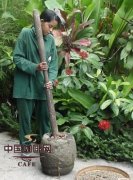
- Collection: Coffee beans are gathered from the feces of civets, usually in regions where the animals naturally roam and feed on ripe coffee cherries.
- Removal of outer layer: The beans are carefully cleaned to remove the silvery, papery silver skin (the outermost layer of the coffee seed).
- Washing: The beans are thoroughly rinsed to eliminate any remaining waste material.
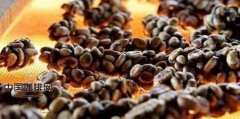
- Sun drying: The cleaned beans are spread out and dried under the sun until they reach the proper moisture level for storage and roasting.
- Roasting: Finally, the dried beans are roasted using standard coffee roasting techniques, though they may behave slightly differently due to prior fermentation.
Each of these stages requires careful handling to prevent contamination or damage to the beans.
Why Is Kopi Luwak So Rare and Expensive?
Several factors contribute to the extreme rarity of kopi luwak:
- Yield: Only about 150 grams of usable coffee beans are recovered from one kilogram (2.2 pounds) of civet droppings.
- Roast loss: An additional 20% of those beans are lost during the roasting process.
- Limited supply: The global annual production of kopi luwak is capped at around 400 kilograms, or roughly 880 pounds.
These constraints, combined with the unusual and labor-intensive processing method, make kopi luwak one of the rarest specialty coffees in the world.
What Role Does Natural Fermentation Play?
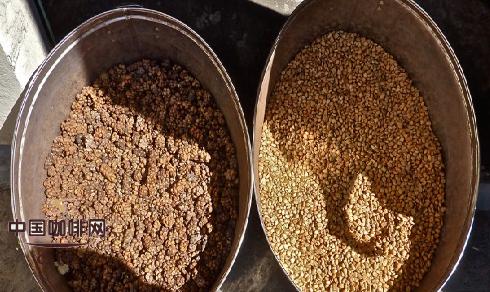
Unlike conventional coffee processing—which relies on either washing (removing fruit via water) or natural drying (leaving the fruit to dry on the bean)—kopi luwak uses a form of internal fermentation. As the civet digests the coffee cherry, enzymes and stomach acids interact with the beans, breaking down proteins and influencing flavor precursors.
This method is not controlled like a lab fermentation, but it does create a distinct taste that some describe as earthy, smooth, or lacking in bitterness—though sensory opinions vary widely.
Frequently Asked Questions
How many coffee beans are harvested from one kilo of civet droppings?
Approximately 150 grams of coffee beans are extracted from one kilogram (about 2.2 pounds) of civet feces. That’s roughly 15% of the original weight.
What percentage of kopi luwak beans are lost during roasting?
During the roasting process, around 20% of the already extracted kopi luwak beans are lost, further reducing the total yield from the original feces.
Why is kopi luwak so rare?
Kopi luwak is rare because of low bean yield per kilo of droppings (150g), high roast loss (20%), and limited global production (under 400kg per year). These factors severely restrict supply.
Does the civet digest the coffee bean entirely?
No. The civet digests the coffee cherry and pulp, but the inner coffee bean passes through its digestive system intact. The beans are then collected from the feces, cleaned, and processed.
Is the fermentation in kopi luwak similar to controlled coffee fermentation?
No. The fermentation in kopi luwak happens naturally inside the civet’s digestive tract and is not controlled by humans, unlike modern fermented or extended mucilage contact processes in specialty coffee.
Recommended FrontStreet Beans for Kopi Luwak Fans
If you're curious about the unique processing behind kopi luwak, try FrontStreet Coffee’s Ethiopia Humbera—a naturally processed Ethiopian single origin with complex fruity and winey notes that highlight fermentation’s role in flavor. For something earthy and smooth, their Lintong Mandheling offers classic Indonesian characteristics with low acidity and heavy body. Or explore FrontStreet’s PWN Golden Mandheling, known for its full mouthfeel and spicy-sweet profile. All three showcase how processing methods deeply shape coffee’s taste. Freshly roasted within 5 days · Orders placed before 17:00 ship the same day · Next-day delivery across most of Guangdong Province.
FrontStreet Coffee is a long-established specialty coffee roaster in Guangzhou China, selling freshly roasted beans from its own farm in Yunnan as well as dozens of carefully selected single-origin beans from around the world for both pour-over and espresso. The products deliver consistently excellent quality and great value, with shipping within 24 hours. Guangzhou's FrontStreet Coffee shop is recommended by many coffee lovers, and the beans are now available online at the Tmall 。
Important Notice :
前街咖啡 FrontStreet Coffee has moved to new addredd:
FrontStreet Coffee Address: 315,Donghua East Road,GuangZhou
Tel:020 38364473