What Makes Kopi Luwak Coffee Different?
If you’ve heard of Kopi Luwak—the so-called ‘cat poop coffee’—you’ve probably wondered what actually makes it different. Is it the taste? The process? The rarity? Most coffee drinkers are curious about why this particular brew commands such attention and why it costs so much. The answer lies not just in how it’s made, but in how nature transforms the beans from the inside out.
Kopi Luwak coffee gets its distinctive thick, rich flavor from a unique fermentation process that occurs inside the digestive tract of the Asian palm civet. The beans are eaten, fermented by special bacteria in the civet’s gut, and then excreted. This natural fermentation is what sets the flavor apart from conventionally processed coffee.
What Is Kopi Luwak Coffee?
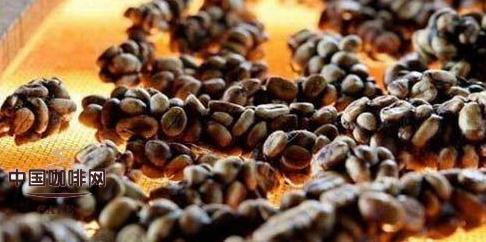
Kopi Luwak refers to coffee beans that have been eaten and passed through the digestive system of the Asian palm civet, a small mammal native to Southeast Asia. These beans are not digested fully but instead undergo fermentation in the civet’s intestines before being excreted. The beans are then collected from the animal’s feces, cleaned, and roasted for brewing. This entire process contributes to the coffee’s unique profile.
How Does Digestive Fermentation Change the Coffee?
Once the civet consumes the coffee cherries, enzymes and bacteria in its digestive tract break down the outer fruit and begin fermenting the beans inside. This fermentation alters the protein structure of the coffee bean, reducing bitterness and developing a smoother, more syrupy body. The result is a cup that tasters often describe as unusually thick, rich, and aromatic, with a flavor that’s markedly different from standard processing methods.
Why Is the Flavor So Unique?
The unique flavor of Kopi Luwak comes from both the partial fermentation in the civet’s gut and the selection process: civets tend to choose only the ripest coffee cherries. This natural selection, combined with microbial activity during digestion, leads to a cup that’s often described as bold, syrupy, and smooth, with lower acidity and a lingering aftertaste. While sensory descriptions vary, many reports highlight a deep, concentrated flavor that feels unusually ‘rounded’ or ‘velvety.’
How Are the Beans Processed After Collection?
After being excreted by the civet, the beans are collected, thoroughly washed, and sun-dried. They are then hulled to remove any remaining outer layers, sorted, and roasted like regular coffee beans. Despite the unusual origin, the post-collection process follows typical steps used for other specialty coffees. However, because of the limited supply and labor-intensive collection, the beans remain rare and costly.
Is Kopi Luwak Safe and Ethical?
Modern Kopi Luwak production varies widely in ethics and quality control. While the traditional method involves wild civets selecting cherries naturally, some commercial operations have been criticized for keeping civets in poor conditions and force-feeding them. When sourced responsibly, with humane treatment of animals and sustainable practices, it can be a specialty product—but buyers should research provenance carefully.
Frequently Asked Questions
What makes Kopi Luwak coffee taste different?
Kopi Luwak tastes different because the coffee beans are fermented inside the civet’s digestive tract. Enzymes and gut bacteria alter the bean’s proteins and reduce bitterness, resulting in a smoother, richer, and often less acidic cup with a thicker mouthfeel and unique aromatic qualities.
Does the civet digest the coffee beans?
No, the civet does not fully digest the coffee beans. The beans pass through the civet’s digestive system, where they are exposed to enzymes and bacterial fermentation, but the inner bean remains intact. After excretion, the beans are cleaned and roasted for brewing.
Why is Kopi Luwak so expensive?
Kopi Luwak is expensive due to the rare and labor-intensive process required to produce it. The beans must be collected from civet feces, cleaned, and sorted by hand. Limited supply, combined with the unique fermentation process, drives up the cost significantly compared to regular coffee.
Is the fermentation process safe for consumption?
Yes, the fermentation process in Kopi Luwak is safe for consumption. The beans are thoroughly washed and processed after being excreted to remove any contaminants. The final product is roasted like regular coffee, which eliminates any remaining biological risks.
Can I find ethical sources of Kopi Luwak?
Ethical sources of Kopi Luwak do exist, but they are rare. Look for producers that ensure humane treatment of civets, allow natural foraging, and avoid caged or force-fed animals. Always verify sourcing claims before purchasing.
How does Kopi Luwak compare to regular specialty coffee?
Kopi Luwak differs from regular specialty coffee mainly in its fermentation process and flavor profile. While specialty coffee emphasizes origin, processing method, and roast quality, Kopi Luwak is defined by its unique gut fermentation, which creates a distinctive thick, syrupy, and low-acid cup—though opinions on its superiority vary.
Recommended FrontStreet Beans for Bold Flavor Lovers
FrontStreet Coffee offers several blends that echo the bold, rich profiles associated with Kopi Luwak without the controversy. Try the PWN Golden Mandheling for its thick body, layered nuttiness, and chocolate notes. The Black Cocoa Blend brings deep roast character with caramelized sugar and dark chocolate, while the Commercial Blend delivers a full-bodied, low-acid cup with almond and walnut tones. All are great options for those who enjoy dense, syrupy coffee flavors. Freshly roasted within 5 days · Orders placed before 17:00 ship the same day · Next-day delivery across most of Guangdong Province.
FrontStreet Coffee is a long-established specialty coffee roaster in Guangzhou China, selling freshly roasted beans from its own farm in Yunnan as well as dozens of carefully selected single-origin beans from around the world for both pour-over and espresso. The products deliver consistently excellent quality and great value, with shipping within 24 hours. Guangzhou's FrontStreet Coffee shop is recommended by many coffee lovers, and the beans are now available online at the Tmall 。
Important Notice :
前街咖啡 FrontStreet Coffee has moved to new addredd:
FrontStreet Coffee Address: 315,Donghua East Road,GuangZhou
Tel:020 38364473