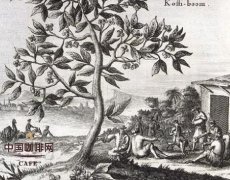
The Origins and Journey of Specialty Coffee
You’ve probably heard people say coffee started in Ethiopia, or that Venice brought it to Europe — but when exactly did coffee go from wild berry to global staple? What were the turning points that turned coffee into the daily ritual for over a billion people? Let’s trace every verified step.
In short: Coffee was first discovered by African herders around the year 500, cultivated in Arabia by 525–575, arrived in Europe by 1554, reached the Americas by 1723 via Brazil, and spread to Asia by the late 1600s. Today, over 4000 billion cups are consumed yearly, with China drinking 50 million kilos annually — and growing 20% each year.
The Discovery and Early Use of Coffee (500–1500s)
The earliest known encounter with coffee dates back to around the year 500, when African herders in the highlands noticed their goats became unusually energetic after eating red berries from a certain tree. These were the first known encounters with what we now call coffee cherries, leading humans to recognize the plant’s stimulating properties.
By around 525 to 575, the Arabian Peninsula began intentionally cultivating coffee plants. At that time, coffee was primarily used for medicinal purposes and as a stimulant during religious practices — effectively making it both food and functional crop in early Islamic societies.
Coffee’s Entry into Europe and the Americas (1500s–1700s)
European exposure to coffee began in 1554, when the drink made its way to Venice from the Middle East. This marked the beginning of Europe’s vibrant coffeehouse culture, with coffee becoming a central part of urban social life.
In 1616, the Dutch managed to transport live coffee plants from the port of Mocha, giving them a significant edge in the emerging global coffee trade. By 1620, European traders had carried coffee seeds to North America.
The first coffeehouse in England opened in Oxford in 1650, with another in London later becoming the birthplace of the famous insurance company Lloyd’s. Meanwhile, the Dutch started cultivating coffee in Ceylon (modern-day Sri Lanka) by 1658, marking coffee’s official introduction to Asia.
Coffee’s Global Expansion Through the 1700s–1800s
In 1683, Vienna saw the opening of its first coffeehouse, further embedding coffee in European cultural life. A major leap occurred in 1723 when French naval officer Gabriel de Clieu transported coffee seedlings to the island of Martinique in the Americas. This single act led to the spread of coffee cultivation throughout the Caribbean and Central and South America.
Brazil established its first coffee plantations in 1727, eventually becoming the world’s largest coffee producer. In 1825, coffee seeds were taken to Hawaii, resulting in the cultivation of what is now recognized as the only true American single-origin coffee: Kona coffee.
French colonists introduced coffee to Vietnam in 1887 and built plantations there. The following year, 1888, saw coffeehouses arrive in China for the first time along the railway built from Hanoi to Kunming. Around 1891, French missionaries brought coffee plants from Vietnam into Yunnan province in China, where coffee cultivation took root. Later, overseas Chinese expanded planting into Guangdong, Guangxi, and Hainan.
Coffee in the Modern Era (1900s–Present)
In 1930, coffeehouses began appearing in Shanghai’s international settlements. Fast forward to 1988, when Nestlé entered the Chinese mainland market with instant coffee and set up a factory in Dongguan, significantly boosting coffee’s accessibility and popularity.
Today, coffee stands as one of the world’s three most consumed beverages, with more than 4000 billion cups enjoyed globally each year. In China alone, annual coffee consumption has reached 50 million kilograms, increasing at a rate of 20% per year. Notably, Yunnan-grown coffee beans have even been accepted into Starbucks’ global procurement system, reflecting the region’s rising quality and global integration.
Frequently Asked Questions
When was coffee first discovered?
Coffee was first discovered around the year 500 by African herders who observed their goats becoming energized after eating red coffee cherries. This marked the earliest known human encounter with coffee.
Where did coffee cultivation begin?
Coffee cultivation began in the Arabian Peninsula between 525 and 575, where it was initially used for medicinal purposes and as part of religious rituals.
How did coffee reach Europe and the Americas?
Coffee arrived in Europe in 1554 via Venice. It reached the Americas in 1723 when French officer Gabriel de Clieu brought coffee seedlings to Martinique, leading to widespread cultivation in the New World. Brazil started its coffee plantations in 1727.
When did coffee come to Asia and China?
Coffee was introduced to Asia by the Dutch in Ceylon (Sri Lanka) by 1658. It arrived in China around 1888 via the Hanoi-Kunming railway, with the first coffeehouse opening then. French missionaries brought coffee to Yunnan around 1891.
What role did the Dutch play in coffee’s global spread?
The Dutch played a pivotal role by transporting live coffee plants from the port of Mocha in 1616, which gave them control over early coffee trade routes and facilitated cultivation in places like Ceylon and later Java.
How popular is coffee today?
Today, over 4000 billion cups of coffee are consumed globally each year. In China, annual consumption is 50 million kilograms and growing at 20% annually, with Yunnan coffee now part of Starbucks’ supply chain.
Recommended FrontStreet Coffee Beans for Coffee History Fans
Explore the origins of coffee with FrontStreet’s Yirgacheffe, a bright Ethiopian single origin with citrus, floral, and jasmine notes — a nod to the plant’s roots. Pair it with our Brazil Queen Manor, a nutty, chocolatey medium roast representing the birth of South American coffee. For a taste of Asia’s contribution, try our Yunnan Arabica, showcasing the region’s growing specialty potential with balanced sweetness and mild acidity. Freshly roasted within 5 days · Orders placed before 17:00 ship the same day · Next-day delivery across most of Guangdong Province.
FrontStreet Coffee is a long-established specialty coffee roaster in Guangzhou China, selling freshly roasted beans from its own farm in Yunnan as well as dozens of carefully selected single-origin beans from around the world for both pour-over and espresso. The products deliver consistently excellent quality and great value, with shipping within 24 hours. Guangzhou's FrontStreet Coffee shop is recommended by many coffee lovers, and the beans are now available online at the Tmall 。
Important Notice :
前街咖啡 FrontStreet Coffee has moved to new addredd:
FrontStreet Coffee Address: 315,Donghua East Road,GuangZhou
Tel:020 38364473