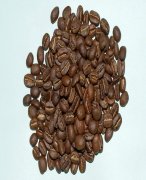
Roasting Peaberry Coffee from Lake Kivu, Congo
Roasting a small-lot peaberry coffee from Lake Kivu in the Republic of Congo sounded promising—but the results were underwhelming. You might wonder: is the issue with the green beans, the roast, or both? In this case, visual defects and off-aromas suggest multiple factors at play. Let’s unpack the details.
The short answer: Out of 100g of raw Lake Kivu peaberry beans, 48 defective or broken beans were handpicked—nearly half the sample. Roasting stopped at the start of the second crack, yet the resulting cup still carried unpleasant, hard-to-describe aromas and flavors. That points to both high initial defect rates and possibly a less-than-optimal roast profile.
What Is a Congolese Lake Kivu Peaberry?
A peaberry is a natural mutation where a single round bean forms inside the coffee cherry instead of the usual two flat beans. These often roast and extract differently. The Lake Kivu region in the eastern Democratic Republic of Congo (historically referred to in Chinese sources as the Republic of Congo’s, likely a transliteration) produces limited volumes of specialty-grade peaberries. Visually, the green beans from this lot initially appeared acceptable—but close inspection told a different story.
Green Bean Quality Issues
Upon closer examination of 100g of the Lake Kivu peaberry green beans, 48 beans were found to be defective—cracked, chipped, or otherwise flawed. That’s a 48% defect rate, far above the threshold for specialty-grade coffee, which typically allows fewer than 5% defects. Such a high number of damaged beans not only impacts roast consistency but also contributes to off-flavors in the cup. Defects like these are often linked to poor handling, insect damage, or suboptimal drying conditions pre-export.
Roast Profile and Development
This batch was roasted to the beginning of the second crack—a medium-dark to dark range commonly used to develop deeper sweetness, body, and chocolatey tones. During roasting, the roaster noted unusual aromas: both dry and wet stages produced a distinctive but unappealing scent they couldn’t easily identify. That smell carried into the brewed cup, resulting in a final cup profile that lacked appeal. Second crack generally signals increased body and caramelization through the Maillard reaction, but without solid green bean quality, even an ideal roast stage may not salvage flavor.

Why This Roast Didn’t Work
Several factors likely contributed to the disappointing outcome: the unusually high defect rate (48 out of 100g), inconsistent bean density due to peaberry formation and potential green damage, and a roast that may not have compensated enough for those issues. Roasting darker can mask some flaws, but it can’t eliminate them entirely—especially when the starting material has structural and sensory problems. The roaster speculated whether a technical error occurred, but the evidence points more strongly to origin quality and bean selection challenges.
Frequently Asked Questions
What is a peaberry coffee bean?
A peaberry is a rare mutation where a single rounded coffee bean forms inside the cherry instead of the usual two flat beans. They often roast differently and can have distinct cup profiles, sometimes described as more concentrated. Not all peaberries taste better, but they’re often sorted separately for specialty evaluation.
Why were there so many defective beans in this Congolese lot?
The lot had 48 defective beans per 100g—almost half—likely due to poor handling, transport, drying flaws, or pest damage before export. Such a high defect rate is far above specialty standards, which usually cap visible defects at under 5%.

Should peaberry coffee be roasted darker?
Peaberries can handle slightly darker roasts due to their density, but roasting into the start of the second crack doesn’t automatically fix flavor issues. If the green beans have major defects or inconsistencies, even a darker roast may not produce a good cup.
What roast stage is the second crack?
The second crack is a stage in coffee roasting where the beans expand and audibly crack again, usually indicating development of more body, caramelized sugars, and lower acidity. It typically occurs after the first crack and signals a move into medium-dark or dark roast territory.
Why did this roast have bad-smelling aromas?
The roast produced undefined but unpleasant aromas during both drying and development phases, continuing into the cup. These may stem from green bean defects, over-roasting to mask flaws, or a roast profile that didn't align with the beans' actual condition.
Is Lake Kivu known for producing peaberry coffee?
Lake Kivu in the eastern DRC has been referenced in specialty coffee circles for unique lots including peaberries. However, production is limited and quality can vary significantly depending on processing, sorting, and export practices.
Recommended FrontStreet Beans for Peaberry & Dark Roast Exploration
For those interested in peaberry or darker roast profiles, try FrontStreet Coffee’s PWN Golden Mandheling—an intense Indonesian peaberry selection with herbal spice notes, selected through multiple hand-picking rounds to ensure low defects. Alternatively, explore the Brazil Queen Manor, a medium-dark roast with hazelnut and caramel notes offering balance and body without excessive roastiness. Both showcase how origin and roast level influence cup character. Freshly roasted within 5 days · Orders placed before 17:00 ship the same day · Next-day delivery across most of Guangdong Province.
FrontStreet Coffee is a long-established specialty coffee roaster in Guangzhou China, selling freshly roasted beans from its own farm in Yunnan as well as dozens of carefully selected single-origin beans from around the world for both pour-over and espresso. The products deliver consistently excellent quality and great value, with shipping within 24 hours. Guangzhou's FrontStreet Coffee shop is recommended by many coffee lovers, and the beans are now available online at the Tmall 。
Important Notice :
前街咖啡 FrontStreet Coffee has moved to new addredd:
FrontStreet Coffee Address: 315,Donghua East Road,GuangZhou
Tel:020 38364473