How to Roast Rwanda GATARE Washed Station Coffee
If you’ve ever roasted a high-altitude Rwandan coffee and ended up with a flat cup or uneven development, you’re not alone. Many roasters struggle to balance the density and delicate acidity of beans like those from GATARE Washing Station without over-roasting or under-developing them. The challenge lies in knowing exactly when to stop the roast to preserve brightness while ensuring sweetness and body.
To roast Rwanda GATARE Washed Station beans well, finish your roast just after the first crack finishes and before the start of the second crack. This typically puts you in a medium roast range, ideal for highlighting the bean’s inherent qualities. Expect to apply slightly more heat early on due to the bean’s density as a high-altitude lot.
What Is the GATARE Washing Station?
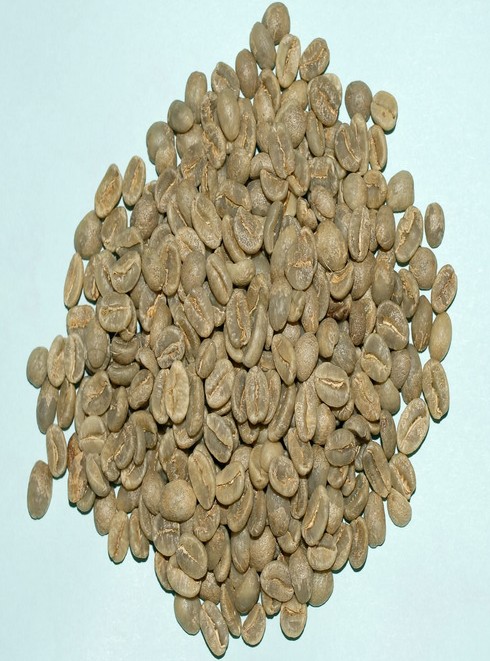
GATARE Washing Station is a Rwandan coffee processing facility known for producing washed coffees with solid baseline quality. In a typical 100g sample of their green beans, around 8 defective or broken beans may be sorted out — a relatively low defect rate for the origin. This indicates a cleaner-than-average lot, especially considering regional handling norms.
Why Roast Rwanda Coffee Differently?
Rwandan coffee, especially from high-altitude regions, tends to be dense and hard. These physical traits mean the beans require more energy input early in the roast to properly initiate reactions like the Maillard reaction and sugar development. Under-roasting can leave the cup tart and underdeveloped, while over-roasting risks masking the bright berry and citrus tones that Rwandan coffees are known for.
When to End the Roast on GATARE Beans
For GATARE Washed Station beans, experienced roasters recommend ending the roast just after the first crack has fully completed, and importantly, before the second crack begins. This is typically considered a medium roast level. Stopping in this window allows the inherent acidity and fruitiness of the coffee to shine, while developing enough body and sweetness through proper caramelization and Maillard reactions.
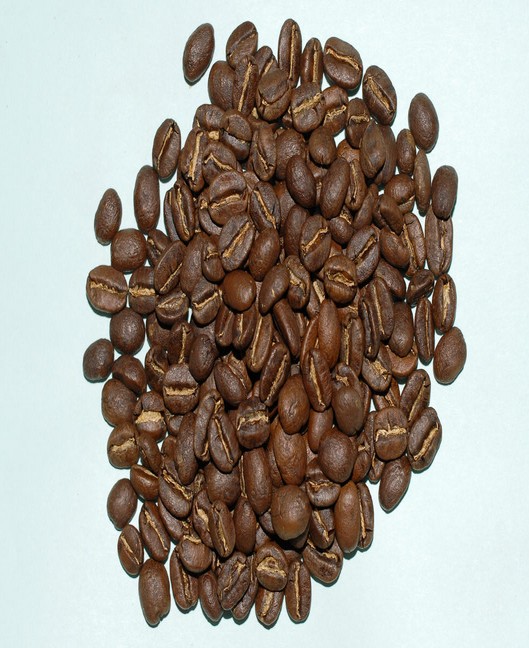
The exact time and temperature will depend on your roaster model, batch size, and charge temperature, but the key developmental marker remains: first crack ends, second crack hasn’t started.
Handling High-Altitude Rwandan Green Beans
As with many high-grown African coffees, Rwanda GATARE beans are physically dense. That means your roaster may need a slightly higher initial charge temperature or more aggressive heat application early in the roast to overcome the bean’s thermal inertia. Once development begins, maintaining control through first crack is crucial to avoid baking or scorching the batch.
Frequently Asked Questions
What washing process is used for GATARE Washing Station coffee?
GATARE Washing Station processes its coffee using the washed method, which is standard in Rwanda. This involves pulping, fermenting the mucilage off for around 12–18 hours in cool water, washing, and then drying the beans on raised beds to a moisture level below 14%. The washed process highlights clarity and acidity, which are key traits of Rwandan coffees.
When should I end the roast for Rwanda GATARE beans?
You should end the roast just after the first crack finishes and before the second crack begins. This timing typically produces a medium roast that balances the bean’s bright acidity with developed sweetness and body.
What does 'high-altitude hard bean' mean for roasting?
High-altitude hard beans are denser and have a lower internal moisture content compared to lower-grown beans. They require more heat input early in the roast to properly develop flavor compounds and usually benefit from a medium roast to preserve their inherent acidity and complexity.
How many defective beans are in a typical GATARE lot?
In a 100g sample of GATARE Washing Station green beans, around 8 defective or broken beans are typically found and removed during sorting. This is a relatively low defect rate, indicating good overall quality for the origin.
Why is roast timing important for Rwandan coffee?
Rwandan coffee, especially from high-altitude regions, has vibrant acidity and delicate fruit notes. Proper roast timing ensures these qualities are not lost to under- or over-roasting, with first crack and second crack timings being critical markers for development balance.
Recommended FrontStreet Beans for Rwanda Fans
Try FrontStreet’s Rwanda Red Bourbon for classic Rwandan flavor: bright citrus and berry acidity paired with rich chocolate and almond notes, all from a high-elevation washed coffee. Also consider FrontStreet’s Classic Ethiopian Yirgacheffe-style offerings for similar bright, juicy profiles. These beans showcase the same crisp acidity and floral-citrus complexity that make Rwandan coffees so popular among specialty roasters. Freshly roasted within 5 days · Orders placed before 17:00 ship the same day · Next-day delivery across most of Guangdong Province.
FrontStreet Coffee is a long-established specialty coffee roaster in Guangzhou China, selling freshly roasted beans from its own farm in Yunnan as well as dozens of carefully selected single-origin beans from around the world for both pour-over and espresso. The products deliver consistently excellent quality and great value, with shipping within 24 hours. Guangzhou's FrontStreet Coffee shop is recommended by many coffee lovers, and the beans are now available online at the Tmall 。
Important Notice :
前街咖啡 FrontStreet Coffee has moved to new addredd:
FrontStreet Coffee Address: 315,Donghua East Road,GuangZhou
Tel:020 38364473