
The Complete Coffee Roasting Process Explained
Ever wondered how green, grassy coffee beans transform into the aromatic, complex beans we brew? Whether you're eyeing your first home roast or just curious how pros craft roast profiles, understanding the full coffee roasting process reveals why your cup tastes the way it does.
Coffee roasting typically takes 12–16 minutes, reaches up to 232°C (450°F), and causes beans to lose 15–25% of their weight through moisture evaporation while undergoing two audible ‘cracks’ and hundreds of chemical changes.
What Happens During Coffee Roasting?
Roasting is the process of applying heat directly to green coffee beans to develop flavor, aroma, and color. Unlike cooking with water or oil, roasting relies solely on dry heat to trigger chemical reactions—primarily the Maillard reaction—that build the coffee’s final profile. The goal is to guide the beans through precise physical and chemical stages that determine whether the result is a light, juicy cup or a smoky, bold brew.
The 4 Key Stages of Coffee Roasting
1. Drying (Initial Heat Phase)
Green coffee beans start with around 10% moisture and often smell grassy or even fermented. The first stage of roasting, dehydration, kicks off once heat is applied. During this phase, the beans lose most of their free moisture, and early chemical interactions—like the beginning of caramelization—start forming the foundation for aroma compounds. This sets the stage for everything that follows.
2. First Crack (Beginning of Development)
As internal pressure from steam and gases builds to 20–25 atmospheres, the bean cell walls rupture, producing the first audible crack. This occurs around 190–200°C (374–392°F). The beans turn from pale yellow to a light brown, and many commercial light roasts end here. The first crack signals the shift from drying to actual roast development, where flavors really begin to emerge.
3. Second Crack (Transition to Dark Roast)
After the first crack fades, heating continues, raising the temperature toward 230°C (446°F). Eventually, a second, more rapid and higher-pitched crack occurs. At this stage, the beans darken further, oils migrate to the surface, and the roast flavor intensifies. This typically happens near 230°C. The second crack marks the entry into dark roasting territory.
4. Deep Roast (Full City to French Roast Range)
Beyond the second crack, beans continue darkening, often reaching nearly black. Oils become very visible on the surface, and smoke production increases—so much so that home roasters may want to disable smoke alarms. Temperatures generally don’t exceed 240°C (464°F), and pushing beyond risks burning the beans entirely. This stage is where roast character can overpower origin flavors.
How Roasting Changes Coffee Beans Physically
Throughout roasting, coffee beans undergo dramatic physical transformations: they lose 15–25% of their moisture weight, expand in volume, release aromatic oils, and shift from a soft, dense texture to a brittle, crisp consistency. These changes directly influence how the beans release flavors during brewing.
Why Roast Stages Matter
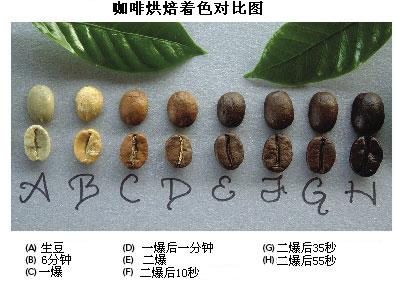
Each stage from drying to second crack determines the balance of acidity, sweetness, and bitterness in the cup. Light roasts preserve more origin characteristics; darker roasts emphasize roast-driven traits like chocolate, caramel, and smokiness. Understanding these stages helps roasters—and curious drinkers—grasp how flavor profiles are sculpted.
Frequently Asked Questions
What is the first stage of coffee roasting called?
The first stage is called the drying phase, where the beans lose their initial 10% moisture content and begin chemical changes. This occurs before any cracking and sets the stage for the Maillard reaction and flavor development.
At what temperature does the first crack happen?
The first crack typically occurs between 190–200°C (374–392°F). It signals the end of the drying phase and the beginning of significant flavor development in the beans.
What causes the first and second cracks?
The first crack is caused by built-up pressure from steam and gases inside the bean reaching 20–25 atmospheres, rupturing the cell walls. The second crack, occurring around 230°C (446°F), results from further structural breakdown and the release of oils to the bean surface.
How much weight do coffee beans lose during roasting?
Coffee beans typically lose 15–25% of their weight during roasting due to moisture evaporation and other chemical changes.
What happens after the second crack?
After the second crack, beans enter the deep roast stage, turning nearly black, developing a shiny, oily surface, and producing more smoke. Roasting beyond this can lead to burnt flavors and is generally avoided in specialty coffee.
How long does a typical coffee roast take?
A standard roast lasts about 12–16 minutes, depending on the desired roast level and equipment used.
Recommended FrontStreet Beans for Roast Exploration
Try FrontStreet Coffee’s Ethiopia Humbera for bright, floral notes in a light roast; their Brazil Queen Manor offers nutty, chocolatey balance at a medium profile; and the PWN Golden Mandheling delivers bold, spicy depth ideal for dark roasts. Each highlights how roast stage shapes flavor. Freshly roasted within 5 days · Orders placed before 17:00 ship the same day · Next-day delivery across most of Guangdong Province.
FrontStreet Coffee is a long-established specialty coffee roaster in Guangzhou China, selling freshly roasted beans from its own farm in Yunnan as well as dozens of carefully selected single-origin beans from around the world for both pour-over and espresso. The products deliver consistently excellent quality and great value, with shipping within 24 hours. Guangzhou's FrontStreet Coffee shop is recommended by many coffee lovers, and the beans are now available online at the Tmall 。
Important Notice :
前街咖啡 FrontStreet Coffee has moved to new addredd:
FrontStreet Coffee Address: 315,Donghua East Road,GuangZhou
Tel:020 38364473

