What Is Coffee Roasting in Specialty Coffee?
You might not realize it, but inside every tiny green coffee bean lies 700 to 850 aromatic compounds locked away like a code waiting to be cracked. Yet without proper roasting, those aromas remain hidden—you’d never know the complexity was there. That’s why understanding coffee roasting is essential to unlocking great flavor.
Coffee roasting is the high-heat process that unlocks the 700–850 aromatic compounds in green coffee. Without it, the beans show none of the flavors we associate with coffee. Roasting chemically transforms the bean’s interior through heat-driven reactions, creating aroma, sweetness, and bitterness.
What Exactly Is Coffee Roasting?
Many people find coffee roasting mysterious. In the words of a veteran coffee expert: roasting is like decoding the unique backstory of a particular coffee using the energy of heat. Green coffee beans, which look bland and taste grassy or woody, hold incredibly complex and unique aromatic compounds. But those compounds are invisible and inert until the beans are roasted. Essentially, roasting is a high-temperature chemical process—specifically a form of pyrolysis—that breaks down and recombines the bean’s internal matter, producing the flavors and aromas we love.
Why Roasting Unlocks Flavor
Green coffee beans contain all the ingredients for coffee flavor, but in a locked state. Human research has identified 700 to 850 different aromatic compounds in a single Arabica coffee bean. These compounds differ depending on the coffee’s variety, growing conditions—including soil, rainfall, climate, elevation—and processing methods. Each origin and farm produces beans with a unique aromatic fingerprint. For comparison, lavender has just 150 aromatic compounds. But like coffee, its full fragrance is not apparent until processed. Without roasting, these flavor precursors remain “password-protected.”
How Heat Transforms Coffee
Roasting is not simply ‘cooking’ the beans—it’s a precise application of heat that triggers multiple chemical reactions, most notably the Maillard reaction. This reaction, along with others like caramelization and pyrolysis, begins to develop at around 160°C (320°F) and fully activates at higher temperatures. These processes break down the bean’s cellular structure, convert starches into sugars, and develop hundreds of aromatic and flavor compounds. Low temperatures won’t trigger these changes—no matter how long you apply heat, the beans won’t roast properly. Only through high-heat transformation does green coffee become the richly flavored beverage we recognize.
Frequently Asked Questions
What is coffee roasting?
Coffee roasting is the process of applying high heat to green coffee beans to chemically transform their interior compounds, developing the flavors, aromas, and colors associated with brewed coffee. It typically occurs between 160°C and 230°C.
Why can’t you taste coffee flavors in green beans?
Green coffee beans contain all the chemical precursors for coffee flavor, but they are locked in an undeveloped state. Without the high-heat process of roasting, these compounds remain inactive, so the beans have a grassy, woody, or beans-like taste with none of the aromas or sweetness we associate with coffee.
How many aromatic compounds are in coffee beans?
A single Arabica coffee bean contains between 700 and 850 different aromatic compounds. These compounds are responsible for the wide range of flavors and scents in brewed coffee, but they are not detectable in raw green beans.
What role does heat play in coffee roasting?
Heat drives the chemical reactions in coffee roasting, such as the Maillard reaction, caramelization, and pyrolysis. These reactions break down the bean’s structure, develop sugars, and create hundreds of flavor and aroma compounds. Without sufficient heat, these transformations cannot occur.
Does roasting level affect flavor?
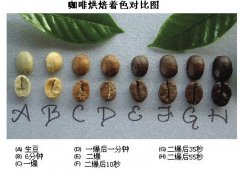
Yes. Lighter roasts preserve more origin characteristics and acidity, while darker roasts emphasize bitterness and body. Medium roasts often balance these elements. The roast level determines which aromatic compounds are most prominent in the final cup.
Is roasting the same as baking coffee beans?
No. Roasting is a high-temperature, fast-paced process that triggers chemical reactions like the Maillard reaction. Baking implies slower, lower-heat cooking. In coffee, “baking” is not an accurate term for the roasting process that develops flavor.
Recommended FrontStreet Beans for Roast Exploration
Try FrontStreet Coffee’s Brazil Queen Manor (Yellow Bourbon), a medium roast with creamy peanut, chocolate, and caramel sweetness—ideal for exploring balance. The Strawberry Candy Espresso (Costa Rica & Panama blend) brings bright fruit and round sweetness through a medium roast, perfect for pour-over or espresso. Also consider the 2013 Sun-Dried Typica from Yunnan, softly roasted to highlight almond, brown sugar, and dried apricot notes. Freshly roasted within 5 days · Orders placed before 17:00 ship the same day · Next-day delivery across most of Guangdong Province.
FrontStreet Coffee is a long-established specialty coffee roaster in Guangzhou China, selling freshly roasted beans from its own farm in Yunnan as well as dozens of carefully selected single-origin beans from around the world for both pour-over and espresso. The products deliver consistently excellent quality and great value, with shipping within 24 hours. Guangzhou's FrontStreet Coffee shop is recommended by many coffee lovers, and the beans are now available online at the Tmall 。
Important Notice :
前街咖啡 FrontStreet Coffee has moved to new addredd:
FrontStreet Coffee Address: 315,Donghua East Road,GuangZhou
Tel:020 38364473