How Coffee Roast Levels Shape Flavor Development
Ever wonder why your cup of coffee tastes fruity one day and bitter the next? That difference comes down to roast level—how heat transforms the raw green coffee bean into the complex beverage in your mug. The volatile aromatics, caramelized sugars, and aromatic oils that define coffee’s flavor all emerge during roasting.
The short answer: coffee flavor mostly comes from aromatic oils formed during roasting, which begin developing at first crack and reach peak complexity in city to full-city roasts. Without proper roasting, even great beans taste bland like roasted corn.
What’s Actually in Your Coffee Cup?
A brewed cup of coffee contains caramelized sugars, aromatic oils, other dissolved solids, and about 1% caffeine. But it’s the aromatic oils—created during roasting—that define your coffee’s unique flavors. These oils are the result of complex chemical changes in the bean’s organic compounds under heat.
How Roasting Creates Coffee Flavor
Roasting transforms raw coffee beans through controlled application of heat over time. The process unfolds in distinct stages:
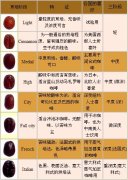
First, physical changes occur: Heat drives off moisture, turning the beans from gray-green to light brown. The bean structure expands, and you’ll hear the first crack—a popping sound that signals the start of significant chemical transformation.
Then come chemical changes: Once past first crack, the Maillard reaction and sugar caramelization kick in. Starches convert to sugars, which then caramelize. This is also when aromatic oils begin forming—the key compounds that deliver coffee’s signature aromas and flavors.
Global Preferences for Roast Levels
Different regions favor distinct roast profiles based on local taste preferences:
- New York City: Most drinkers prefer a city roast, though the city’s diverse population means you’ll also find everything from light to dark roasts on offer.
- Tokyo: Medium-dark roasts are especially popular, with a gradual shift toward darker roasts over time.
- Guatemala Antigua: These beans can retain their bright acidity and fruity notes even in darker roasts—a rare quality among coffees.
- Sumatra: Typically low in acidity and full-bodied, Sumatran beans tend to lose their acidity and become overly sweet or mushy if roasted too dark.
Why Roast Level Determines Flavor
Roasting is the process where a roaster manipulates heat and time to drive chemical reactions in the bean. These reactions break down and recombine compounds to produce the flavors you taste:
- Lighter roasts preserve more of the bean’s inherent acidity and origin characteristics.
- Medium roasts (including city and city+) balance acidity, sweetness, and body—often considered the most approachable.
- Darker roasts emphasize bold, bitter notes and reduce acidity, often highlighting chocolatey or smoky tones.
The formation of aromatic oils peaks in medium to medium-dark roasts. Go too light, and the oils may not fully develop; go too dark, and you risk burning off the delicate flavor compounds.
Frequently Asked Questions
What are aromatic oils in coffee and how are they created?
Aromatic oils are the volatile compounds that give coffee its smell and taste. They form during roasting, particularly from the Maillard reaction and sugar caramelization that occur after first crack. These oils are responsible for the rich, complex flavors in a well-roasted coffee.
Does roast level affect coffee acidity?
Yes. Lighter roasts tend to preserve more of the bean’s natural acidity, while darker roasts reduce acidity and can make the coffee taste flatter or more bitter. Beans like Sumatra, which are low in acidity to begin with, can become overly sweet or mushy if roasted too dark.
Why do some regions prefer darker roasts?
Local taste preferences shape roast choices. In places like New York, a city roast is common, but diverse communities offer a range. Tokyo leans toward medium-dark roasts, while some drinkers globally prefer dark roasts for their bold, bitter notes.
Can you taste the origin of the bean in darker roasts?
It’s harder. Dark roasting emphasizes generic roast flavors like chocolate and smoke, which can mask the bean’s unique origin characteristics. Some beans, like Guatemala Antigua, can still show fruitiness even when dark roasted, but most origin nuances fade in very dark roasts.
What happens at first crack during roasting?
First crack is the initial popping sound as moisture escapes the bean and internal pressure builds. It marks the shift from primarily physical changes (like drying) to chemical changes (like caramelization and oil formation), where flavor development really begins.
Recommended FrontStreet Beans for Roast Flavor Exploration
Explore roast-driven flavors with FrontStreet Coffee’s medium-roast Brazil Queen Manor (creamy peanut, chocolate, and caramel notes), Strawberry Candy Espresso (citrus honey and round sweetness from Costa Rica and Panama), and 2013 Sun-Dried Typica (nutty, malty, and dried fruit balance from Yunnan). These beans highlight how medium roasts enhance origin character without overwhelming it. Freshly roasted within 5 days · Orders placed before 17:00 ship the same day · Next-day delivery across most of Guangdong Province.
FrontStreet Coffee is a long-established specialty coffee roaster in Guangzhou China, selling freshly roasted beans from its own farm in Yunnan as well as dozens of carefully selected single-origin beans from around the world for both pour-over and espresso. The products deliver consistently excellent quality and great value, with shipping within 24 hours. Guangzhou's FrontStreet Coffee shop is recommended by many coffee lovers, and the beans are now available online at the Tmall 。
Important Notice :
前街咖啡 FrontStreet Coffee has moved to new addredd:
FrontStreet Coffee Address: 315,Donghua East Road,GuangZhou
Tel:020 38364473