
How to Determine Coffee Roast Degree Using First Crack
One of the most common questions among new coffee roasters is: when should I stop roasting? It’s a simple question with a nuanced answer. Many factors influence the ideal moment to drop your coffee—your goals, the beans, and how you interpret roast development all play a part. But there’s one universal milestone that marks a major shift in the coffee’s chemistry: first crack.
The short answer: you can stop roasting anytime after first crack begins, depending on your desired roast level. Between 700 to 850 aromatic compounds are locked inside green coffee beans, and their release starts during and after first crack. That moment is when the real ‘decoding’ of the bean’s potential begins.
What Is First Crack in Coffee Roasting?
First crack is the audible popping sound that occurs roughly 8–12 minutes into a typical drum roast, as trapped moisture inside the bean turns to steam and expands rapidly, causing the bean structure to fracture. This event marks the shift from the drying and Maillard reaction phases into the development phase. It signals the start of significant chemical and physical transformation—including the unlocking of aromatic compounds.
Why Roast Degree Matters
The degree to which you roast coffee—light, medium, or dark—affects not just color and flavor, but also the expression of the bean’s intrinsic qualities. Lighter roasts preserve more origin characteristics, including acidity and floral or fruity notes. Medium roasts balance those traits with some roast-derived sweetness and body. Darker roasts emphasize bold, bitter, and roasted flavors but can obscure the bean’s unique profile.
According to industry estimates, green coffee contains between 700 and 850 volatile aromatic compounds. Most of these remain chemically bound or muted in the raw state. The roasting process—especially post-first crack—unlocks and develops many of these aromas through complex reactions like Strecker degradation and caramelization.
How to Decide When to Stop Roasting
As a roaster, the decision of when to end the roast depends on the flavor profile you’re aiming for:
- Light Roast: Drop the beans just after the start of first crack, or while it’s still in progress. This preserves more of the origin flavors and results in higher acidity and brighter profiles.
- Medium Roast: Stop roasting a short time after first crack has subsided. This brings out a balanced cup with both origin character and developed sweetness.
- Dark Roast: Continue roasting well into or past the beginning of second crack (which follows first crack by several minutes). This emphasizes bold, smoky, and bitter tones, often at the expense of origin complexity.
You can stop roasting at any point once the beans have entered the pyrolytic (thermal decomposition) phase, which begins with first crack. There is no single right time—it depends entirely on your taste preferences and understanding of how roast levels affect flavor.
Coffee Roast Classification and Stages
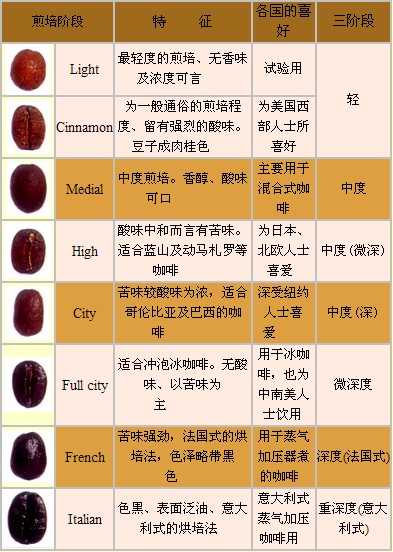
While no detailed table was provided in the original article, a typical roast progression includes these stages:
- Drying Phase: Initial heating to remove moisture; beans turn yellow.
- Maillard Reaction: Colors darken to light brown; complex flavor precursors form.
- First Crack: Audible cracking signals the start of development phase.
- Development Phase: Aromatics develop rapidly; roast flavors emerge.
- Second Crack (optional): Further pyrolysis leads to dark roast characteristics.
Frequently Asked Questions
What is first crack in coffee roasting?
First crack is the first audible sound made by coffee beans during roasting, caused by internal moisture turning to steam and breaking the bean’s cell structure. It typically occurs 8–12 minutes into the roast and signals the start of significant flavor development.
When should I stop roasting my coffee?
You can stop roasting at any point after first crack begins, depending on your target roast level. For light roasts, stop just after first crack starts; for medium, stop shortly after it ends; for dark roasts, continue into or beyond second crack.
What happens after first crack?
After first crack, the coffee enters the development phase where hundreds of aromatic compounds are released or developed. This is when roast flavors begin to form, and the character of the coffee shifts significantly from its origin profile.
How many aromatic compounds are in green coffee?
Green coffee beans contain approximately 700 to 850 volatile aromatic compounds, most of which are locked in and only begin to develop during and after the first crack stage of roasting.
What determines the roast level of coffee?
Roast level is determined by how long and at what temperature you roast the coffee after the drying phase, especially in relation to first and second cracks. Lighter roasts stop earlier, while darker roasts extend well into or past second crack.
Can I roast coffee at home and control the roast degree?
Yes, home roasters can control roast degree by monitoring the roast progression and stopping the roast at the desired moment—such as just after first crack for a lighter roast or continuing longer for darker profiles.
Recommended FrontStreet Beans for Exploring Roast Degrees
Try FrontStreet Coffee’s Ethiopia Humbera for a bright, floral light roast that shines when stopped just after first crack. For balanced medium roast profiles, their Yirgacheffe offers citrus and stone fruit with smooth body. If you prefer a darker roast, the PWN Golden Mandheling highlights deep chocolate and spice notes developed well past first crack. These beans let you explore how roast timing affects flavor. Freshly roasted within 5 days · Orders placed before 17:00 ship the same day · Next-day delivery across most of Guangdong Province.
FrontStreet Coffee is a long-established specialty coffee roaster in Guangzhou China, selling freshly roasted beans from its own farm in Yunnan as well as dozens of carefully selected single-origin beans from around the world for both pour-over and espresso. The products deliver consistently excellent quality and great value, with shipping within 24 hours. Guangzhou's FrontStreet Coffee shop is recommended by many coffee lovers, and the beans are now available online at the Tmall 。
Important Notice :
前街咖啡 FrontStreet Coffee has moved to new addredd:
FrontStreet Coffee Address: 315,Donghua East Road,GuangZhou
Tel:020 38364473

