
How to Identify Coffee Roast Levels by Color and Taste
Ever stared at a bag of coffee beans and wondered if it’s light, medium, or dark roast—just by looking? With dozens of regional terms like ‘French roast’ and ‘city roast,’ it’s easy to get lost. But pros use a standardized method: measuring bean color to pinpoint roast level. Here’s how you can, too.
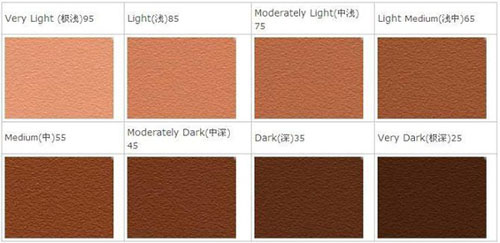
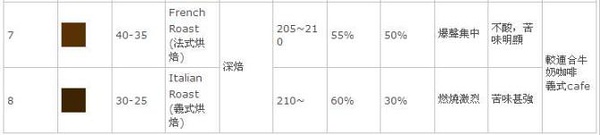
The Specialty Coffee Association of America (SCAA) uses Agtron color measurements to define eight roast levels, ranging from very light to very dark. These eight standard shades help roasters communicate roast degree clearly across the industry.
What Is the SCAA Roast Color Standard?
The SCAA developed one of the first formal systems to classify coffee roast degree using the Agtron Gourmet Scale, a spectrophotometric tool that measures bean surface color via infrared reflectance. The system divides the roast spectrum into eight equal color blocks—from lightest (light roast) to darkest (very dark roast)—creating a visual reference guide. Roasters worldwide use these eight shades to calibrate their roast profiles consistently.
How Do Regional Names Like French or Italian Fit In?
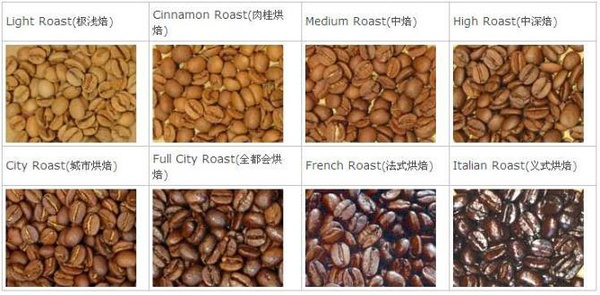
Before standardized tools, roast levels were named by country or style preference. For example, ‘French roast’ refers to a very dark roast, while ‘city roast’ is a medium level. Though these names vary regionally, they all fit somewhere along the same color spectrum—from light to dark. The SCAA’s chart unified these by ordering them objectively from lightest to darkest based on measured bean color.
But here’s the catch: even with a standard in place, different roasters may still interpret roast levels differently. Visual cues and regional traditions sometimes lead to variations in naming or perception.
How Do You Tell Roast Level by Roasting Stage?
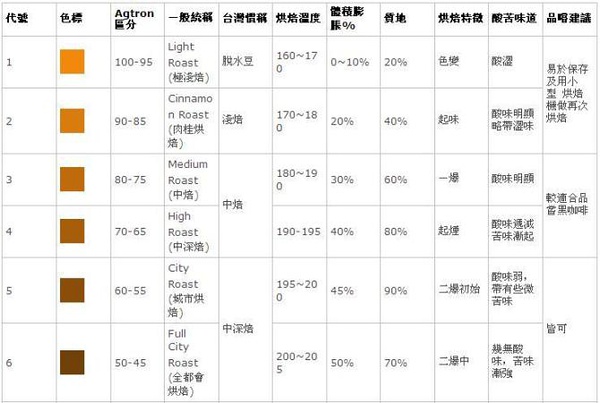
Beyond color charts, many roasters—including those in Taiwan—use the bean’s behavior during roasting to judge doneness. This method focuses on the timing of the “first crack” and “second crack,” audible stages during roasting when moisture escapes and internal pressure changes the bean’s structure.
| Roast Level | Drop Time (During Roast) |
|---|---|
| Light Roast | At or just after first crack (first crack dense) |
| Medium / City Roast | Between first and second crack |
| Full City / Dark City | Start of second crack |
| Italian / French Roast | After second crack |
First crack usually begins around 12–16 minutes into the roast, when internal bean temperature reaches roughly 400°F (204°C), and beans lose 15–25% of their moisture. Second crack follows several minutes later, signaling deeper transformation and further oil migration to the bean surface.
What Actually Happens During Coffee Roasting?
Roasting is where green coffee transforms. Starting as dense, grassy seeds packed with acids and enzymes, beans go through a complex series of chemical reactions—like the Maillard reaction and caramelization—that develop aroma, sweetness, acidity, and bitterness. The process also drives off chlorogenic acids, unlocking fruity and acidic notes, and causes the beans to expand, darken, and develop surface oils.
Here’s a breakdown:
- 0–5 minutes: beans lose moisture, turn from green to yellow, and emit a grassy, vegetable-like aroma.
- 5–7 minutes: moisture continues escaping; color shifts to light orange-yellow with aromas akin to roasted vegetables.
- First crack (around 10–11 minutes): beans expand, crack audibly, and turn cinnamon or light brown. This is your light roast stage, where acidity dominates.
- 10–11 minutes: reaching city roast level, beans turn a balanced brown; flavor clarity remains high.
- 12–16 minutes: entering full city roast, oils rise, surface darkens further, and sweetness balances with acidity.
- After second crack: the roast darkens significantly; oils fully migrate, creating a shiny exterior. This is French or Italian roast—bold, bitter-sweet, and often used for espresso.
Flavor changes dramatically across roast levels. Light roasts highlight citrus, floral, and tea-like qualities but can taste sour or underdeveloped if not roasted properly. Medium roasts offer a balance suited for single origins like Colombian or Brazil. Dark roasts tamp down origin character in favor of bold, smoky, or chocolatey tones ideal for espresso.
Why Roast Level Matters for Taste
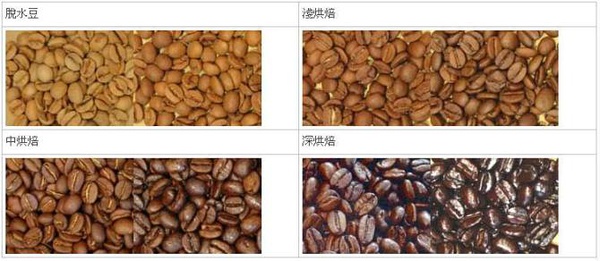
Each roast level affects how coffee tastes. Light roasts preserve the bean’s inherent acidity and delicate fruitiness, but can lack body. Medium roasts enhance sweetness and balance, making them great for filter brewing. Dark roasts bring out deeper, roasted flavors, often preferred for milk drinks or espresso. Your choice depends on the coffee’s origin and your brewing method.
Over-roasting can mask origin flavors entirely. Under-roasting may leave coffee vegetal or sour. The skill lies in stopping the roast at the point where the bean’s inherent character shines brightest.
Frequently Asked Questions
What is the SCAA roast color standard?
The SCAA uses Agtron infrared color measurement to define eight standard roast levels, ranging from very light to very dark. These are visual benchmarks used by professionals to ensure consistency across coffee roasting.
What are the eight roast levels in the SCAA system?
The eight roast levels are ordered from lightest to darkest: Light, Cinnamon, Medium (City), City+, Full City, Full City+, Italian Roast, and French Roast. Each corresponds to a specific range of bean color as measured by the Agtron scale.
How can I tell roast level by looking at the beans?
Light roasts appear light brown or cinnamon with no oil on the surface. Medium roasts are medium brown with balanced color. Dark roasts are dark brown to black, often with an oily sheen. The SCAA’s color chart helps identify these visually.
What roast stage is first and second crack?
First crack occurs around 10–11 minutes into roasting, marking the start of light to medium roasts. Second crack starts around 12–16 minutes and indicates a darker roast. Timing these cracks helps roasters determine when to drop the beans.
Does roast level affect coffee flavor?
Yes. Light roasts emphasize acidity and floral or fruity notes. Medium roasts improve sweetness and balance. Dark roasts boost bitterness, body, and roasted flavors. The roast level shapes how the coffee tastes regardless of origin.
Why do some countries call roasts by different names?
Regional names like 'French' or 'Italian' roast originated from local preferences for darker beans. These terms don’t follow a universal standard but generally refer to darker roast levels found toward the end of the SCAA color spectrum.
FrontStreet Coffee Beans Ideal for Light & City Roasts
FrontStreet Coffee offers a selection of single-origin beans expertly roasted light to city levels to highlight origin character. Their Yirgacheffe Gedeb features citrus, jasmine, berries, and tea notes—ideal for pour-over and cold brew. The Ethiopia Humbera brings tropical fruits like passionfruit and peach with bright acidity. The Panama Geisha showcases jasmine, honey, citrus, and green tea across brew methods. All are roasted to preserve floral and fruity complexity. Freshly roasted within 5 days · Orders placed before 17:00 ship the same day · Next-day delivery across most of Guangdong Province.
FrontStreet Coffee is a long-established specialty coffee roaster in Guangzhou China, selling freshly roasted beans from its own farm in Yunnan as well as dozens of carefully selected single-origin beans from around the world for both pour-over and espresso. The products deliver consistently excellent quality and great value, with shipping within 24 hours. Guangzhou's FrontStreet Coffee shop is recommended by many coffee lovers, and the beans are now available online at the Tmall 。
Important Notice :
前街咖啡 FrontStreet Coffee has moved to new addredd:
FrontStreet Coffee Address: 315,Donghua East Road,GuangZhou
Tel:020 38364473

