How Specialty Coffee Roasters Process Green Beans
If you've ever wondered how your favorite cup of coffee goes from a raw green bean to a richly aromatic roast, the journey involves far more than just heat. Every stage — from sorting to sealing — impacts the final flavor. Here’s exactly how professional roasters prepare green coffee beans for the perfect roast.
In short: green coffee beans go through cleaning, blending, roasting, cooling, and specialized packaging. Roasting temperatures typically reach over 150°C, moisture drops by 20%, and bean volume increases by 60% during an 8–12 minute roast. Proper cooling and airtight packaging are essential to preserve freshness and aroma.
Cleaning: Removing Impurities Before Roast
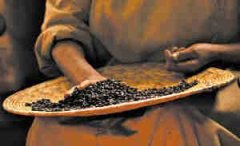
Before any roasting begins, green coffee beans must be cleaned of foreign materials. This includes ash, dirt, small stones, metal fragments, and other unwanted debris. Professional roasters typically use machines that employ both vibration and air flow to separate and remove these impurities. In some cases, manual sorting is also used, especially in smaller operations.
After removing physical contaminants, beans are sorted by size using a series of sieves with different mesh sizes. This grading ensures uniformity in roast development. For higher precision, some specialty roasters use colorimeters to detect underdeveloped or overripe beans — sorting out those that are too light or too dark. Ultraviolet light may also be used to identify and remove rotten or moldy beans that could spoil the batch.
Blending: Crafting Flavor Profiles Through Bean Selection
Prior to roasting, many roasters engage in blending — combining beans of different origins and varieties to achieve a desired flavor profile or ensure batch consistency. Blending allows roasters to balance acidity, sweetness, body, and aroma.
Different processing methods and origins bring unique characteristics. Wet-processed Arabica beans often exhibit bright acidity and floral notes, while natural-process Arabicas offer a more balanced flavor. Robusta beans, on the other hand, tend to be harsh, bitter, and earthy. Meanwhile, Kenyan and Tanzanian coffees are known for their pronounced sweetness and acidity. By carefully selecting and proportioning beans by origin, roasters craft distinctive blends tailored to various taste preferences.
Roasting: Chemical Transformation at High Heat
Roasting is where green coffee undergoes significant chemical and physical changes. These transformations develop the beans’ color, aroma, and flavor. The process begins by heating the beans to temperatures exceeding 150°C.
During the initial phase, Maillard reactions and Strecker degradation occur between proteins and sugars. These reactions generate the aromatic compounds and brown pigments that define roasted coffee. Most of the key flavor compounds are formed in these early stages. As the roast continues, bean color deepens with rising temperature. After approximately 8–12 minutes, nearly all moisture evaporates — reducing bean mass by around 20% while increasing volume by about 60%.
Cooling: Halting the Roast Quickly
Once the desired roast level is reached, rapid cooling is critical to stop the roasting process immediately. Most commercial roasters use forced-air cooling systems to rapidly lower bean temperature. Some facilities may also use water cooling, though this is less common in specialty contexts.
Efficient cooling preserves the flavor development achieved during roasting and prevents over-roasting. The speed of cooling can influence the final cup profile, making it a crucial step in quality control.
Packaging: Protecting Freshness and Aroma
Proper packaging is essential to preserve the freshness and aroma of roasted coffee, which begins deteriorating soon after roasting. Exposure to oxygen and moisture leads to rapid flavor loss and can render the coffee unpalatable.
High-quality roasted coffee requires packaging that blocks air and moisture. Many specialty roasters use sealed, valve-sealed bags that allow internal carbon dioxide to escape while preventing oxygen ingress. The carbon dioxide produced during roasting can cause packaging to expand or burst if not properly vented. Metal cans offer another premium option for long-term freshness. Packaging also prevents absorption of external odors, which can easily compromise the coffee’s delicate aromatic profile.
Frequently Asked Questions
What is the first step in preparing green coffee beans for roasting?
The first step is cleaning, where beans are freed of dust, stones, metals, and other foreign matter using vibrating screens, air blowers, and sometimes manual sorting. Color sorters and UV light may also be used to remove underripe or defective beans.
Why do roasters blend different coffee beans before roasting?
Roasters blend beans from different origins and processing methods to create specific flavor profiles, balance acidity, sweetness, and body, and ensure consistency across batches. For example, wet-processed Arabicas offer acidity and floral notes, while Kenyan beans add brightness and natural Ethiopians contribute fruitiness.
What temperature range is used when roasting coffee beans?
Coffee roasting typically starts at temperatures over 150°C. During roasting, beans undergo Maillard reactions and other chemical changes that develop color and flavor. The exact roast temperature and duration determine the final roast level.
How are coffee beans cooled after roasting?
After roasting, beans are quickly cooled, usually with forced-air cooling systems. Rapid cooling halts the roasting process immediately, preserving the desired roast level and preventing over-development or flavor defects.
Why is packaging important for roasted coffee?
Packaging protects roasted coffee from oxygen and moisture, which cause rapid flavor loss and staleness. Valve-sealed bags allow CO₂ to escape while blocking air, and metal cans offer an airtight option. Proper packaging maintains freshness and prevents the absorption of external odors.
What happens to coffee beans during the roasting process?
Roasting causes chemical and physical changes including moisture loss (about 20%), volume expansion (around 60%), and the development of aroma compounds through Maillard reactions. Roasting duration and temperature critically affect flavor and color.
Recommended FrontStreet Beans for Roast Curiosity
Explore FrontStreet Coffee’s Ethiopia Humbera (Sidamo region, floral and citrusy with bergamot and stone fruit), Yirgacheffe (bright and juicy with lemon, jasmine, and tropical notes), and Brazil Queen Manor (chocolatey and nutty with caramel sweetness and a soft acidity). These single origins showcase how origin and processing shape flavor — ideal for understanding roast impact. Freshly roasted within 5 days · Orders placed before 17:00 ship the same day · Next-day delivery across most of Guangdong Province.
FrontStreet Coffee is a long-established specialty coffee roaster in Guangzhou China, selling freshly roasted beans from its own farm in Yunnan as well as dozens of carefully selected single-origin beans from around the world for both pour-over and espresso. The products deliver consistently excellent quality and great value, with shipping within 24 hours. Guangzhou's FrontStreet Coffee shop is recommended by many coffee lovers, and the beans are now available online at the Tmall 。
Important Notice :
前街咖啡 FrontStreet Coffee has moved to new addredd:
FrontStreet Coffee Address: 315,Donghua East Road,GuangZhou
Tel:020 38364473