
How Coffee Is Made: From Bean to Roast
Ever wondered how your morning cup of coffee starts its life? Before it reaches your grinder, coffee beans go through a complex journey—from bright red fruit on a tree to a carefully roasted seed ready for brewing. The process involves dozens of hands, exact timings, and several transformation stages. But how exactly does it work, and why does roasting matter so much?
Coffee becomes drinkable after a series of key steps: harvesting ripe coffee cherries, processing the beans (either washed or dried), drying, milling, and finally roasting. Of these, roasting is the most crucial step for developing flavor. In Ethiopia—the birthplace of coffee—traditional methods still produce some of the world’s most distinctive single-origin coffees.
The Origins of Coffee: Ethiopia’s Coffee Story
Coffee’s story begins in Kafa, Ethiopia. Local farmers noticed their livestock became unusually energetic after eating red berries from a certain bush. These were coffee cherries, and the beans inside eventually became a valued food, drink, and even medicine. Over time, “Kafa” gave way to the global word “coffee.” Ethiopia remains the sixth-largest coffee producer in the world and the top exporter in Africa.
Traditional Ethiopian coffee culture includes multiple daily coffee ceremonies, often with unique rituals. Even though Italy once occupied Ethiopia and left behind Italian-style coffee equipment and pasta, Ethiopia never abandoned its indigenous coffee varieties and processing traditions.
Types of Ethiopian Coffee Varieties
Ethiopia primarily grows Arabica coffee, including well-known regional types like Yirgacheffe, Harrar, Sidamo, and others. Among them, Harrar is especially prized. Each region imparts unique characteristics through differences in soil, altitude, and climate. Many of these coffees are produced by smallholder farmers who deliver their cherries to local washing stations or cooperatives.
The country’s coffee culture is deeply rooted, and the beans often reflect the land in complex ways. That terroir-driven quality is part of what makes Ethiopian coffee globally admired.
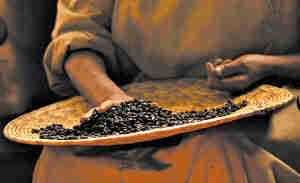
From Coffee Cherry to Roasted Bean
The journey from tree to cup follows these main steps:
- Harvesting: Ripe coffee cherries are handpicked, usually when they turn deep red.
- Processing: The beans are removed from the fruit using either a washed (fermented and washed) or natural (dried with fruit on) method. In Ethiopia, both are common and produce distinctly different flavor profiles.
- Drying: Processed beans are spread out to dry in the sun, often on raised beds, until they reach the ideal moisture level (usually around 11–12%).
- Milling: Once dried, the beans are hulled to remove the outer parchment layer, leaving just the green coffee bean.
- Sorting: Workers manually or mechanically sort beans to remove defects, underripe beans, or foreign material. Skilled female workers often do the final visual sorting to ensure quality.
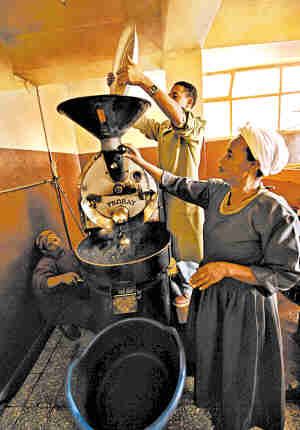
- Roasting: Green coffee beans are roasted at high temperatures—typically between 180–240°C—transforming them chemically and developing aroma, flavor, and color. This is where the Maillard reaction occurs, creating hundreds of flavor compounds. Roast level greatly impacts the final cup profile.
- Cooling: Roasted beans are quickly cooled, often by spreading them on trays to halt the roast and stabilize the beans.
In Ethiopia, many small coffee mills and cooperatives continue using artisanal techniques. They believe that “high-quality coffee should be as pure as a thoroughbred horse,” maintaining traditional practices that preserve the beans’ inherent qualities. The roast itself is considered the most vital step in shaping flavor.
Why Roasting Matters Most
Roasting transforms green, grassy beans into the aromatic, flavorful coffee we recognize. During roasting, beans lose moisture, expand in size, and develop hundreds of aromatic compounds through chemical reactions—especially the Maillard reaction. The roast profile (light, medium, or dark) determines whether the final coffee tastes bright and acidic, balanced and sweet, or bold and bitter.
In Ethiopia, despite the legacy of Italian occupation—evident in the Italian-style coffee paraphernalia still found in homes—local producers stay true to traditional methods. Some even print images of horses on their coffee packaging to symbolize purity and heritage.
Frequently Asked Questions
What is the origin of coffee?
Coffee originated in Kafa, Ethiopia, where local herders observed their animals becoming energized after eating red coffee cherries. The beans from these cherries were eventually cultivated for food, drink, and medicinal uses, leading to the global spread of coffee.
What are the main steps in making coffee beans?
The main steps are: harvesting ripe coffee cherries, processing (washed or natural), drying the beans, hulling/milling to remove the parchment, sorting to remove defects, and roasting the green beans to develop flavor. Roasting is the most critical step for flavor development.
What is the role of roasting in coffee production?
Roasting transforms green coffee beans through high heat (180–240°C), causing chemical reactions like the Maillard reaction. This develops the bean’s color, aroma, and flavor. The roast level—light, medium, or dark—heavily influences the taste of the brewed coffee.

Where does Ethiopian coffee come from?
Ethiopian coffee mainly comes from regions like Yirgacheffe, Harrar, and Sidamo. The country grows mostly Arabica beans and is the sixth-largest global producer and Africa’s top coffee exporter. Much of it is still processed by smallholders and cooperatives using traditional methods.
Why is Harrar coffee special?
Harrar is one of Ethiopia’s most renowned coffee varieties, known for its strong flavor profile. It’s part of the country’s diverse Arabica offerings, which vary significantly by region due to differences in altitude, soil, and climate—all of which affect taste.
Is coffee processing done by hand in Ethiopia?
Yes, much of Ethiopia’s coffee processing, including sorting and quality control, is still done manually, often by skilled female workers who remove defective or underripe beans to ensure high quality.
Top FrontStreet Coffee Beans to Explore Coffee Origins
Start with FrontStreet Coffee’s Ethiopian Yirgacheffe single origin from the Gedeb cooperative, offering bright citrus and floral notes typical of the region. For a classic taste of origin, try their Jamaica Blue Mountain No.1 (Typica), a balanced coffee with notes of almond and chocolate. Or explore Panama Geisha traits in their Strawberry Candy Espresso, blending floral and fruity complexity. All are expertly roasted to highlight their natural profiles. Freshly roasted within 5 days · Orders placed before 17:00 ship the same day · Next-day delivery across most of Guangdong Province.
FrontStreet Coffee is a long-established specialty coffee roaster in Guangzhou China, selling freshly roasted beans from its own farm in Yunnan as well as dozens of carefully selected single-origin beans from around the world for both pour-over and espresso. The products deliver consistently excellent quality and great value, with shipping within 24 hours. Guangzhou's FrontStreet Coffee shop is recommended by many coffee lovers, and the beans are now available online at the Tmall 。
Important Notice :
前街咖啡 FrontStreet Coffee has moved to new addredd:
FrontStreet Coffee Address: 315,Donghua East Road,GuangZhou
Tel:020 38364473

