Understanding Coffee Roast Levels from Light to Dark
When you buy coffee, roast level impacts more than color—it shapes everything from acidity and sweetness to aroma and body. But with terms like cinnamon roast, city roast, and French roast floating around, how do you know which one suits your taste? Whether you prefer bright citrus notes or deep chocolate tones, understanding roast levels helps you choose beans that deliver the experience you want.
In specialty coffee, roast levels range from light (like cinnamon or light roast) to dark (like French or Italian roast), with each stage altering the bean’s flavor profile. Most single-origin coffees shine at light to medium roasts, while espresso blends often use darker roasts. Here’s a detailed breakdown of every standard roast level, what it looks like, and how it affects your cup.
What Is Green Coffee?
Before any roasting happens, coffee starts as green coffee—unroasted beans that are green in color. These beans are hard, have no aroma, and are completely inert in flavor. Roasting transforms them chemically and physically, developing the flavors and aromas we associate with coffee. The roast level you choose determines how much of the bean’s origin character shines through versus how much is replaced by roast-derived flavors.
Light Roast Levels: Bright, Acidic, and Origin-Driven
Light roasts preserve the most of the coffee’s inherent qualities. These roasts develop fewer Maillard reactions and less sugar caramelization, meaning the bean’s natural acidity, floral, and fruit characteristics remain vivid.
Light Roast (also called Cinnamon Roast in older systems)
This is the lightest commercial roast level. The beans reach an internal temperature of roughly 196–205°C (385–400°F), just after the first crack. They appear light brown, similar to wheat or cinnamon in color. At this stage, extraction can yield very little body, aroma, or bitterness—some even find early light roasts unpleasant to drink. However, when done right, light roasts highlight delicate, high-quality beans with vibrant acidity.
Common Usage & Flavor Profile
Light roasts are ideal for showcasing origin traits. They’re often too bright or tea-like for traditional espresso but excel in pour-over, AeroPress, and cold brew. Expect high acidity, light body, and notes of citrus, floral, or stone fruit depending on the origin.
Medium Roast Levels: Balanced Acidity and Sweetness
As roast levels deepen, the Maillard reaction intensifies, and sugars begin to caramelize. Acidity softens slightly, while sweetness and body increase. Medium roasts are versatile and widely enjoyed for both filter and espresso brewing.
Medium Roast
These beans are roasted to around 210–219°C (410–425°F), ending just before or at the start of the second crack. They appear a light to mid-brown, similar to a chestnut. This roast level enhances both acidity and sweetness, making it ideal for American-style filter coffee with a balanced profile.
High Roast (a stronger medium)
A touch darker than standard medium roast, this level suppresses some acidity while boosting sweetness and bitterness. The color deepens to a standard brown. It’s commonly used when roasters want a more rounded, approachable cup without going too dark.
City Roast
Also considered a strong medium roast, City roast is named after New York City. It’s roasted to the beginning or middle of the second crack. Acidity and bitterness are well-balanced, making it a favorite for classic drip coffee. Color is medium brown, and the cup is often smooth with defined origin character still present.
Dark Roast Levels: Bold, Bitter, and Rich
At darker roast levels, the bean’s origin flavors diminish, and roast-driven attributes like smokiness, bitterness, and body take over. Sugars fully caramelize, acidity drops significantly, and oils may migrate to the bean surface.
Full City Roast
This roast stops just before the end of the second crack. The beans are a darker brown, nearly reaching black. Acidity is minimal, and the roast character begins to dominate. Body is heavier, and sweetness is more pronounced than in lighter roasts.
French Roast
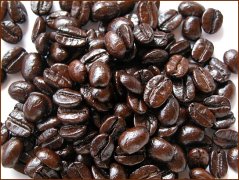
Beans reach an internal temperature around 225–230°C (437–446°F), putting them solidly into the second crack. They appear dark brown to nearly black, with an oily surface. French roast is bold, with smoky, bitter-sweet notes. It’s often used in milk-based drinks like café au lait or Viennese coffee due to its heavy body and low acidity.
Italian Roast
The darkest common roast level. Italian roast beans are nearly black, very oily, and emit a pungent, smoky aroma. Bitterness is pronounced, and acidity is nearly absent. In Japan, this level is often used for espresso blends. The roast character completely overshadows origin flavors.
Why Roast Level Matters
Roast level determines which flavors dominate your cup. Light roasts preserve floral, fruity, and acidic notes. Medium roasts balance those with sweetness and body. Dark roasts emphasize bold, bitter, and roasty characteristics. Your choice depends on how much origin flavor you want versus how much roast influence you prefer.
How to Choose the Right Roast for You
If you enjoy bright, nuanced cups with citrus, floral, or berry notes, go for light to medium roasts. For a balanced, smooth coffee with caramel and nut flavors, medium roasts are ideal. If you prefer a strong, smoky, bitter cup—especially for espresso or milk drinks—dark roasts will suit you. Always match roast level to brewing method for best results.
Frequently Asked Questions
What is the lightest coffee roast level?
The lightest standard roast level is light roast, sometimes called cinnamon roast. It’s roasted just past the first crack to around 205°C (400°F), resulting in a light brown bean with high acidity and delicate flavors. This roast preserves origin character but can taste underdeveloped if brewed incorrectly.
What roast level shows the most origin flavor?
Light to medium roasts (including city roast) best showcase a coffee’s origin—its unique floral, fruity, or herbal notes. The shorter roast time preserves the bean’s inherent qualities, making these profiles ideal for single-origin pour-over or filter brewing.
Which roast level is best for espresso?
Darker roasts such as Full City, French, and Italian are traditionally preferred for espresso due to their bold flavors, heavier body, and lower acidity. However, many specialty roasters now use medium roasts for espresso to highlight sweetness and complexity.
Does roast level affect caffeine content?
Roast level has minimal impact on actual caffeine content by weight. Light and dark beans contain nearly the same caffeine per gram. However, because dark roasts are less dense, scooped measurements might differ slightly in caffeine per serving.
Why do some roasts look oily and others don’t?
Oils on the bean surface appear in darker roasts (French and Italian) due to the bean structure breaking down at high temperatures, pushing internal oils outward. Light and medium roasts retain their dry, matte appearance as the roast hasn’t progressed enough to release surface oils.
Can you use light roast beans for espresso?
Yes, light roast beans can be used for espresso, though they produce a brighter, more acidic shot with less crema. Specialty baristas often use them for single-origin espressos to highlight unique tasting notes, but the shot may require finer grind adjustments and better equipment to balance the cup.
Recommended FrontStreet Coffee for Light & Medium Roasts
FrontStreet Coffee offers several excellent light to medium roast beans ideal for exploring origin flavors. Their Ethiopia Yirgacheffe (via the Gedeb co-op) highlights citrus, white flower, and berry notes with a juicy, tea-like profile—perfect for pour-over. The Ethiopia Humbera is a vibrant fruit bomb with tropical notes when brewed light to medium. For something different, try their Kenya Little Tomato with its bold acidity and juicy red fruit character. All shine at 1:15 to 1:17 brew ratios using a medium-fine grind. Freshly roasted within 5 days · Orders placed before 17:00 ship the same day · Next-day delivery across most of Guangdong Province.
FrontStreet Coffee is a long-established specialty coffee roaster in Guangzhou China, selling freshly roasted beans from its own farm in Yunnan as well as dozens of carefully selected single-origin beans from around the world for both pour-over and espresso. The products deliver consistently excellent quality and great value, with shipping within 24 hours. Guangzhou's FrontStreet Coffee shop is recommended by many coffee lovers, and the beans are now available online at the Tmall 。
Important Notice :
前街咖啡 FrontStreet Coffee has moved to new addredd:
FrontStreet Coffee Address: 315,Donghua East Road,GuangZhou
Tel:020 38364473