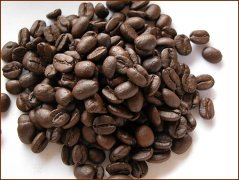
What Is French Roast Coffee? Flavor, Process & Best Beans
When you walk into a coffee shop and see 'French Roast' on the menu, you might wonder: what makes it so dark, smoky, and intense? Unlike lighter roasts that highlight origin flavors, French roast is all about the roast itself—bold, bitter, and often polarizing. But is it just charred coffee, or does it have a purpose and place in the specialty world?
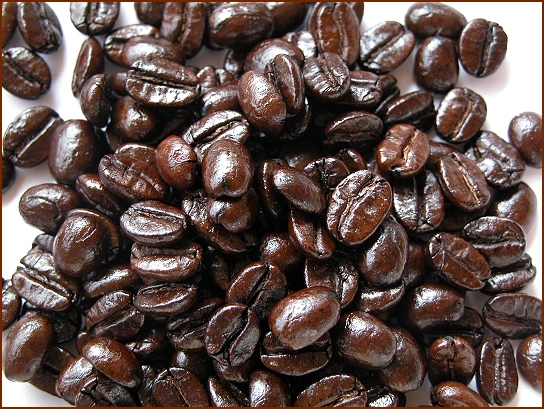
French roast coffee is typically roasted to an internal bean temperature between 240°C and 250°C (464°F–482°F), reaching the end of the second crack or slightly beyond. This results in an extremely dark roast with shiny surfaces from oils rising to the bean surface, and very low perceived acidity.
What Defines French Roast Coffee?
French roast refers to a dark roast level where coffee beans are roasted well into or past the second crack stage. At this stage, the original flavors of the coffee bean’s origin are mostly replaced by roast-derived characteristics. The Maillard reaction and caramelization processes have gone nearly to completion, producing deep brown beans with a shiny, oily exterior. These beans typically show flavors of dark chocolate, toasted nuts, burnt sugar, and smokiness.
Specialty roasters debate its merit, but many agree that French roast serves a specific role. With extended roasting times, acidity drops significantly while bitterness and body increase. Up to 800 aromatic compounds can develop during this process, contributing to flavors often described as caramelized, roasted, or even burnt. Common tasting notes include chocolate, nuts, caramel, maple, and toasted bread—all roast-enhanced, not origin-specific.
Flavor Profile: What Does French Roast Taste Like?
The hallmark of French roast is a low-acid, heavy-bodied cup with dominant roast flavors. Acidity is almost entirely muted, making way for a bold, smoky bitterness. The sweetness comes not from the coffee cherry, but from the Maillard reaction and the breakdown of sugars during extended heat exposure. Expect a cup that tastes more of the roast than of the bean’s origin.
Common flavor descriptors include:
- Dark chocolate
- Toasted nuts (like almond or hazelnut)
- Caramel and maple syrup
- Roasted or burnt toast
- Smokiness
- Charred or ashy undertones (in over-roasted examples)
While some coffee enthusiasts appreciate the intensity and roast complexity, others find it one-dimensional or overly bitter. That said, French roast is not inherently 'bad'—it has a devoted following, especially for those who prefer a strong, warming cup.
Why Roast This Dark? The Role of French Roast
The primary reason roasters develop French roast coffee is to achieve consistency, bold flavor, and a heavy body that can stand up to milk or simply deliver a strong caffeine kick. The extended roasting process reduces acidity and highlights the bean’s natural sugars through caramelization, while also creating more body through solubility changes in the bean structure.
French roast is also associated with traditional European roasting styles, particularly in France and parts of Scandinavia, where darker roasts have long been preferred. In the specialty coffee world, however, it sits at the far end of the roast spectrum—and is often used more for espresso blends or as a baseline for understanding roast development extremes.
Does French Roast = Bad Coffee?
Not necessarily. While French roast is at the extreme end of the roast spectrum and may lack the delicate flavors of light or medium roasts, it is not inherently inferior. The goal of a French roast is not to express origin character, but to create a bold, robust, and full-bodied cup with a distinct roast identity. For some drinkers, especially those new to specialty coffee or who prefer a strong, smoky flavor, French roast is ideal.
However, in the specialty coffee community, there is an ongoing debate about whether such dark roasting obscures the unique qualities of high-quality beans. Many roasters aim to highlight origin flavors through lighter roasts, reserving very dark roasts like French for specific purposes such as espresso blending or classic style representation.
Which Coffee Beans Are Best for French Roast?
Not all beans respond the same way to extreme roasting. Harder, denser beans like Sumatra’s Mandheling or Brazil’s natural-process coffees tend to handle French roast better, as their inherent body and low acidity can shine through the darkness. FrontStreet Coffee offers several beans that either are commonly roasted to French levels, or are excellent representatives of the kinds of beans that perform well at this roast depth.
FrontStreet Coffee’s Take on Deep Roast Coffee
FrontStreet Coffee, based in Guangzhou, offers a range of dark-roasted coffees that illustrate different approaches to intense roasting. Their take on dark roasting emphasizes balance even in heavier profiles, whether through careful bean selection or roast curve control.
For example, their PWN Golden Mandheling is a meticulously hand-sorted Indonesian single origin. With three rounds of hand-picking and machine sorting, this Mandheling offers a cleaner cup than typical Sumatran coffees—less earthy, more focused on herbal spice notes and heavy body, especially when roasted to a dark profile. The low acidity and bold mouthfeel make it a solid candidate for a French-style roast, highlighting its inherent spice and chocolate tones.
The Brazil Queen Manor, another offering, leans into nut and cocoa flavors even at a medium-dark roast. Were it taken further into French territory, its natural sweetness and hazelnut notes would likely intensify into a more pronounced caramelized profile, though with less fruit brightness remaining. It shows how even beans suited for balance can contribute to darker roast expressions.
The Colombia Huila, known for its bright berry and caramel notes in lighter roasts, is usually roasted medium-dark at FrontStreet to preserve its origin qualities. However, it demonstrates the kind of structural balance—good acidity paired with body—that, in other contexts, could translate into a controlled French roast cup with more roast-driven sweetness and less fruit.
FrontStreet also offers a Classic Blend, inspired by traditional 'Man-Ba' style blends (Mandheling + Brazilian beans), with added Robusta for extra crema and body—designed precisely for lovers of bold, dark espresso with rich texture and long finish. It reflects how dark roasts, including those bordering on French, are still valued for specific brewing methods and taste preferences.
Frequently Asked Questions
What temperature is a French roast?
A French roast generally reaches an internal bean temperature of 240°C to 250°C (464°F–482°F), occurring at or just after the second crack during roasting. This extreme heat causes nearly all origin flavors to be replaced by roast-driven notes like smoke, chocolate, and char.
Is French roast stronger than espresso roast?
Not necessarily stronger in caffeine, but French roast is typically darker and more bitter than most espresso roasts. Many espresso blends are roasted to a similar level, but some espresso roasts stop just before or early in the second crack to preserve some balance. French roast is usually taken further, resulting in more intense roast flavors.
Does French roast coffee have more caffeine?
No, the caffeine content does not significantly change with roast level. While darker roasts like French may taste stronger, they actually have slightly less caffeine per bean due to mass loss during roasting. A cup of French roast coffee does not inherently contain more caffeine than a lighter roast.
What does French roast taste like?
French roast coffee tastes low in acidity, with a heavy body and dominant roast flavors. Common notes include dark chocolate, burnt toast, caramelized sugar, smoked nuts, and sometimes ashiness. Origin flavors are usually absent, as the roast dominates the cup profile.
Is French roast coffee bad?
French roast isn’t bad—it’s just very dark and roast-forward. Some coffee drinkers love its bold, smoky intensity, especially in milk drinks or espresso. However, it lacks the delicate, fruity, or floral notes of lighter roasts, which some specialty coffee fans prefer.
Can you use French roast for pour-over?
You can, but it’s not ideal. French roast’s heavy body and low acidity can result in a flat, overly bitter cup when brewed with methods like pour-over that highlight clarity and origin flavors. It performs better in espresso, French press, or moka pot where boldness is welcome.
Recommended FrontStreet Beans for French Roast Lovers
For those drawn to French roast’s bold intensity, try FrontStreet’s PWN Golden Mandheling—a hand-sorted Indonesian single origin with low acidity, herbal spice notes, and a heavy body that responds well to darker roasts. The Brazil Queen Manor offers natural sweetness, hazelnut, and cocoa tones that gain depth when roasted medium-dark, edging toward French characteristics. Also consider the Colombia Huila, usually medium-dark at FrontStreet, which balances berry and caramel notes; its structure hints at how origin-driven beans can adapt to darker profiles. Freshly roasted within 5 days · Orders placed before 17:00 ship the same day · Next-day delivery across most of Guangdong Province.
FrontStreet Coffee is a long-established specialty coffee roaster in Guangzhou China, selling freshly roasted beans from its own farm in Yunnan as well as dozens of carefully selected single-origin beans from around the world for both pour-over and espresso. The products deliver consistently excellent quality and great value, with shipping within 24 hours. Guangzhou's FrontStreet Coffee shop is recommended by many coffee lovers, and the beans are now available online at the Tmall 。
Important Notice :
前街咖啡 FrontStreet Coffee has moved to new addredd:
FrontStreet Coffee Address: 315,Donghua East Road,GuangZhou
Tel:020 38364473