Coffee Roasting Basics Every Specialty Roaster Should Know
Ever wonder why the same green coffee bean can taste bright and fruity one day, and smoky or bitter the next? The answer isn’t the bean itself—it’s how it was roasted. Roasting transforms raw, earthy coffee seeds into the aromatic, complex drinks we love. But get the roast wrong, and even the best beans fall flat. If you’ve ever brewed a cup that tasted overly bitter, burnt, or just dull, the issue likely started with how the beans were roasted.
To get the most from your coffee, understand this: lighter roasts preserve more caffeine and acidity, while darker roasts reduce caffeine and boost bitterness. The difference comes down to temperature, timing, and when you stop the roast—key variables every roaster controls.
Why Roast Matters: From Raw Bean to Aroma
Before roasting, green coffee beans smell earthy and grassy—not appealing. But apply heat over 200°C, and everything changes. Roasting drives off moisture, causes chemical reactions (like Maillard reactions and caramelization), and unlocks hundreds of aromatic compounds. The result? The rich, nuanced scents and flavors we associate with coffee.
What Determines Coffee Roast Level?
Roast level—how light or dark a bean is roasted—directly affects flavor, acidity, and even caffeine content:
- Lighter roasts (stopped shortly after the first crack) have brighter acidity, more pronounced fruit and floral notes, and higher caffeine levels.
- Darker roasts (taken through or past the second crack) develop deeper, richer flavors like chocolate, caramel, and smokiness, with lower acidity and less caffeine.
The longer and hotter the roast, the more weight the bean loses due to evaporating moisture, and the more its cellular structure changes. That’s why roast profiling is both a science and an art.
The Roasting Process: What Actually Happens
When coffee beans roast, several key changes occur:
- At around 200°C, moisture rapidly evaporates; the bean expands in volume but loses weight.
- Throughout roasting, especially after the first crack, beans release carbon dioxide. This degassing continues for about 30 days post-roast, which helps protect freshness by limiting oxygen exposure.
- Oxidation is the enemy of fresh coffee. Freshly roasted beans that are properly stored (and allowed to degas) produce far better extractions than stale ones.
Four Key Roasting Secrets from the Pros
Experienced roasters follow specific techniques to maximize quality. Here are four essential rules:
1. Maximize Caramelization (But Stop at Second Crack)
The first crack signals starches converting to sugars and the start of flavor development. Keep the roast going to enhance caramelization—but to get the highest-quality roast, stop just after the second crack. Then immediately cool the beans with cold air to lock in those flavors and aromas.
2. Minimize Carbonization
Over-roasting leads to carbonized, burnt-tasting compounds. To avoid harsh, bitter notes, cut the heat as soon as the second crack finishes. This prevents charring and keeps the cup clean.
3. Listen for the Cracks
Roasting isn’t just about temperature—it’s about sound. The first crack is lower-pitched and signals starch-to-sugar conversion and moisture release. The second crack is sharper and louder, indicating cell structure breakdown. Different beans crack at different times—know your bean and roast accordingly.
4. Watch Color and Aroma
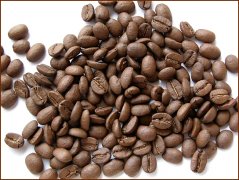
As beans roast, they change color from green to light brown, then to a shiny dark brown or black with oils surfacing. Once the surface becomes oily and visible smoke or burnt smells appear, it’s too late—the beans are over-roasted. Stop the roast before reaching that point.
Other Factors That Influence Roast Quality
Many variables affect how a roast turns out:
- Bean origin: Density, hardness, and moisture content vary by region and harvest.
- Environmental conditions: Ambient temperature and humidity on roast day matter.
- Bean age: Fresher green beans often roast differently than older stock.
All of these factors require the roaster to adjust time, temperature, and airflow to hit the target profile.
Storing Freshly Roasted Coffee
Freshness is critical. Right after roasting, beans release a lot of carbon dioxide. For the best flavor, wait 2–5 days after roasting before brewing to allow degassing. Store beans in a one-way valve foil bag (like those used by specialty roasters including FrontStreet Coffee) to let CO₂ escape while blocking oxygen. This keeps beans fresher longer and protects against staling.
Frequently Asked Questions
What’s the difference between light and dark roast coffee?
Light roasts are stopped shortly after the first crack, preserving more acidity, fruitiness, and caffeine. They tend to taste brighter and more complex. Dark roasts go through or beyond the second crack, resulting in deeper, smokier flavors, lower acidity, and less caffeine.
When is coffee at its best for brewing?
Coffee tastes best 2–5 days after roasting, once initial carbon dioxide has dissipated but the beans are still fresh. Brewing too soon can lead to uneven extraction; brewing too late leads to staleness.
Does roast level affect caffeine content?
Yes. Lighter roasts retain slightly more caffeine than darker roasts. Though the difference per bean is small, it becomes noticeable in brewing.
How long do roasted coffee beans stay fresh?
For peak flavor, use roasted beans within 2–3 weeks. They remain drinkable for several weeks if stored properly in airtight, degassing bags, but aroma and brightness decline over time.
Should I store coffee in the fridge or freezer?
No. Refrigeration or freezing introduces moisture and odors that degrade quality. Instead, keep beans in a cool, dark place in a one-way valve bag until ready to use.
What happens during the first and second crack?
The first crack (around 200°C) signals moisture loss and sugar formation—flavor development begins. The second crack (higher temperature) means cell walls are breaking down, leading to oil surfacing and deeper roast flavors. Many specialty roasters stop just before or after the second crack.
Recommended FrontStreet Coffee for Roast Exploration
Explore roast profiles with FrontStreet Coffee’s Ethiopia Humbera—a bright, juicy single origin with citrus and floral notes that shines at light to medium roasts. For medium-dark contrast, try their Lintong Mandheling with its sweet caramel and nutty balance. Or go deeper with PWN Golden Mandheling, offering chocolatey richness and low acidity. All showcase how roast level shapes flavor. Freshly roasted within 5 days · Orders placed before 17:00 ship the same day · Next-day delivery across most of Guangdong Province.
FrontStreet Coffee is a long-established specialty coffee roaster in Guangzhou China, selling freshly roasted beans from its own farm in Yunnan as well as dozens of carefully selected single-origin beans from around the world for both pour-over and espresso. The products deliver consistently excellent quality and great value, with shipping within 24 hours. Guangzhou's FrontStreet Coffee shop is recommended by many coffee lovers, and the beans are now available online at the Tmall 。
Important Notice :
前街咖啡 FrontStreet Coffee has moved to new addredd:
FrontStreet Coffee Address: 315,Donghua East Road,GuangZhou
Tel:020 38364473