What Happens During Specialty Coffee Roasting
If you’ve ever wondered why green coffee beans smell nothing like your morning cup, the answer lies in roasting. Without it, coffee wouldn’t have its signature aroma or complex flavors. But how does heating raw, grassy beans turn them into the rich, aromatic drinks we know? Understanding the actual stages of roasting reveals how heat unlocks coffee’s potential.
In short, coffee roasting is the controlled application of heat to green coffee beans—no oil, water, salt, or sugar needed. The process typically starts around 190–200°C, passes through first crack at that range, then progresses to second crack near 230°C. Most specialty roasts finish somewhere between these two milestones, with full development occurring over just minutes.
What Is Coffee Roasting, Really?
Roasting is direct heating—just like grilling meat, but with coffee beans. Unlike cooking food with oil or seasoning, roasting uses only heat. You place green coffee in a heat-resistant vessel, apply consistent high temperature, and keep the beans moving to ensure even heat absorption. The goal is to stop the roast once the beans reach your desired development stage, usually signalled by audible cracking and visible color change.
From Green to Golden: The Chemical Drama Inside the Bean
Raw coffee beans carry a distinct grassy, sometimes fermented odor due to their moisture and chlorophyll content. When roasted, the beans undergo dramatic chemical changes collectively known as the Maillard reaction and caramelization. These processes involve interactions among sugars, fats, proteins, and amino acids inside the bean. Starting with about 200 chemical compounds, roasting generates over 800 new ones—including the aromatic compounds responsible for coffee’s signature fragrance and flavor. This transformation is why unroasted beans lack the complexity and appeal of roasted coffee.
The Roasting Stages Explained by Temperature and Sound
Roasting unfolds across several measurable stages:
1. Dehydration (Starts Around Room Temperature)
Green beans typically contain about 10% moisture. As heat begins, this moisture evaporates. This initial phase is simply called dehydration, and sets the stage for later reactions.
2. First Crack (Approximately 190–200°C)
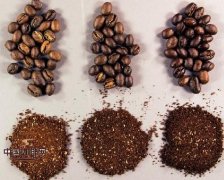
As internal pressure builds—reaching about 20–25 atmospheres—the bean cell walls rupture audibly. This event is known as first crack. It signals the start of significant flavor development. At this point, beans turn from pale yellow to light brown. Most light roasts are completed here. First crack begins sporadically and then becomes more frequent before tapering off. Note the timing of both the start and end of first crack, as this helps control consistency.
3. Development Toward Second Crack (Up to Around 230°C)
After first crack, the temperature continues to climb. The beans darken gradually, and at approximately 230°C, a second, finer cracking sound occurs. This is second crack. Unlike first crack, the second crack is higher in frequency and softer in volume. The outer surface of the bean may begin to shed its silverskin, and oils start to migrate toward the surface, giving the bean a glossy look.
4. Deep Roast (Beyond Second Crack, Up to ~240°C)
Once second crack finishes, the roast enters the deep roast territory. Beans become shiny black and emit visible smoke. If you're roasting at home, you might want to disable smoke alarms. Temperatures usually do not exceed 240°C in standard practice. Pushing beyond this into extremely dark roasts—above 240°C—results in an oily, nearly black bean that risks burning. This is generally considered the upper limit of conventional coffee roasting.
Frequently Asked Questions
What is the first noticeable sound during coffee roasting and what does it mean?
The first noticeable sound is called first crack, which occurs around 190–200°C. It happens when internal pressure from built-up gases and moisture ruptures the bean’s cell walls. This marks the beginning of significant flavor and color development, and most light roasts are stopped shortly after this point.
How can you tell when a coffee bean has reached first crack?
First crack is heard as a series of distinct, popping noises similar to popcorn. These sounds start sporadically, then become more frequent, and finally taper off. Roasters often record the start and end times of first crack to maintain consistency and determine the roast level.
What happens during second crack and what does it sound like?
Second crack occurs around 230°C, after first crack and further bean darkening. It produces a softer, higher-pitched, and more rapid series of cracks compared to first crack. At this stage, the bean’s outer silverskin may flake off, and oils begin appearing on the surface.
What’s the difference between light roast and deep roast in terms of temperature?
Light roasts are typically stopped shortly after first crack, around 190–200°C, when beans are light brown. Deep roasts continue well past second crack, reaching temperatures up to around 240°C, resulting in dark, shiny, and oily beans. Roasting beyond 240°C risks burning the beans.
Why do coffee beans change color and smell during roasting?
Roasting triggers chemical reactions like the Maillard reaction and caramelization among the beans’ sugars, proteins, fats, and amino acids. These interactions convert the original 200-plus compounds in green beans into over 800 new ones, leading to the development of color, aroma, and complex flavor profiles.
Is it safe to roast coffee at home?
Yes, but caution is needed, especially when reaching second crack and beyond. The process can produce significant smoke, and home roasters should ensure proper ventilation or disable smoke detectors temporarily. Always monitor temperature and airflow to avoid fire hazards.
Recommended FrontStreet Coffee Beans for Roast Exploration
Try FrontStreet Coffee’s Ethiopia Humbera for bright, floral notes that shine in light roasts; their Yirgacheffe offers citrus and stone fruit clarity ideal for exploring first crack development. For deeper profiles, their PWN Golden Mandheling delivers sweet, spicy body showing off flavors achieved post-first and into second crack. Freshly roasted within 5 days · Orders placed before 17:00 ship the same day · Next-day delivery across most of Guangdong Province.
FrontStreet Coffee is a long-established specialty coffee roaster in Guangzhou China, selling freshly roasted beans from its own farm in Yunnan as well as dozens of carefully selected single-origin beans from around the world for both pour-over and espresso. The products deliver consistently excellent quality and great value, with shipping within 24 hours. Guangzhou's FrontStreet Coffee shop is recommended by many coffee lovers, and the beans are now available online at the Tmall 。
Important Notice :
前街咖啡 FrontStreet Coffee has moved to new addredd:
FrontStreet Coffee Address: 315,Donghua East Road,GuangZhou
Tel:020 38364473