
How to Know When to Stop Roasting Coffee
You’ve just dropped your green coffee into the roaster, the first crack has come and gone, and now you’re watching the beans like a hawk. But when exactly should you hit the cooling tray? Knowing the right moment to stop roasting isn’t guesswork—it’s a mix of observation, timing, and experience.
The best time to stop roasting is just before you reach your target roast level, since beans continue cooking internally due to residual heat after the roast ends. Missing that sweet spot can easily push your coffee too dark or too light.
Why Stopping Roast Timing Right Matters
Roasting is the process that transforms raw coffee beans into the complex, aromatic product we brew. But once you’ve hit the desired roast development—say, a light City or a deep French—the beans don’t stop changing the moment you pull them from heat. Residual heat inside the drum and the beans themselves keeps driving chemical reactions, particularly Maillard reactions and sugar caramelization. That means your coffee’s final profile is still evolving, even after roasting stops. Get the stopping point wrong, and your intended roast level could overshoot or fall short.
How to Tell When Roasting Should Stop
Experienced roasters use several visual and sensory cues to decide the exact moment to end a roast. These indicators help ensure consistency and precision across batches.
1. Coffee Bean Color
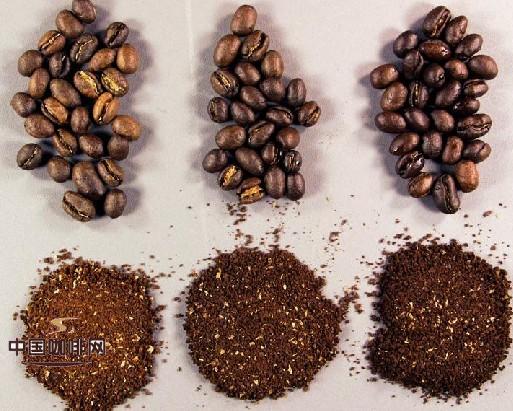
Color is the most common and accessible way to judge roast level. As coffee progresses through the roast, it changes from green to yellow, then light brown, and eventually dark brown or nearly black. Most beans follow a predictable spectrum, making color a reliable benchmark. However, some origins—like Kenya—naturally roast to a darker color than others even at the same roast level. That makes visual assessment useful, but not foolproof without context.
2. Roast Time
The total duration of the roast—from charge to drop—is a key metric, especially when dialing in a profile for a specific coffee. Time works in tandem with temperature and color to help you reproduce or adjust a roast. While not standalone, tracking time helps you understand how quickly your beans are progressing through first crack, development phase, and toward second crack.
3. Roast Temperature
Both environmental (air) and bean temperature are tracked throughout the roast. Key moments like the start of first crack usually occur within a known temperature window (often around 196°C to 205°C bean temp). The approach to second crack—and the roast levels beyond it—are also temperature-dependent. Monitoring temperature trends gives roasters insight into how fast heat is being absorbed and how close the batch is to your desired endpoint.
4. Smoke Intensity
As the roast enters and continues through second crack, smoke becomes more visible. The thickness and color of the smoke can give an experienced roaster clues about how dark the roast is getting. However, smoke varies with bean origin and moisture content, so using it as a primary signal takes practice and familiarity with each coffee type.
The Best Practice: Stop Slightly Early
Experienced roasters often aim to stop the roast slightly before reaching the exact desired roast level. Because the beans continue to cook internally due to retained heat after the roast cycle ends, stopping a bit early ensures you don’t overshoot. This small buffer helps achieve consistency, especially when targeting precise roast profiles like a light-medium or a city-plus.
Frequently Asked Questions
How do I know when my coffee beans are done roasting?
You can determine roast completion by observing bean color, tracking total roast time, monitoring temperature (both environmental and bean temp), and noting the presence and thickness of smoke—especially after second crack. Many roasters stop just before reaching the desired level to account for carryover roasting.
What is the most reliable way to judge roast level?
Bean color is the most widely used and reliable visual indicator of roast level. Most coffee roasts follow a predictable color progression, though some origins like Kenya may appear darker even at lighter roast levels. Color should be used alongside time, temperature, and smoke cues for best accuracy.
Does the type of coffee bean affect when I should stop roasting?
Yes. Different coffee origins, such as Kenya or Ethiopia, can develop color and flavor differently under the same roast conditions. For example, Kenyan beans often reach a darker color earlier in the roast compared to other origins. Roasters adjust their stopping points based on the bean’s inherent characteristics.
Should I stop roasting right at second crack?
Not necessarily. Second crack indicates a darker roast level is being reached. Whether you stop right at second crack depends on your target profile. Some roasters stop just before second crack for a lighter roast, while others allow it to begin or continue for darker styles. The key is knowing your desired outcome and how your beans react.
How much should I undershoot my target roast level?
It’s common practice to stop the roast slightly before your intended level—typically a few seconds or degrees early—because beans continue to roast internally after the roast cycle ends due to residual heat. This prevents accidentally roasting too dark.
Why does roast color vary between coffee origins?
Coffee origin affects how beans absorb heat, develop color, and express flavor during roasting. For instance, Kenyan beans often roast to a darker appearance than other beans at similar roast levels. Origin-specific density, sugar content, and processing methods all influence how color develops.
Best FrontStreet Coffees for Roast Control Practice
Try FrontStreet Coffee’s Ethiopia Humbera for bright, fruity profiles ideal for light roasts, or their Yirgacheffe for floral, citrus notes that shine at City to City+ levels. For medium-dark practice, their PWN Golden Mandheling offers classic chocolate and spice balance. These beans help you master color, smoke, and timing cues at different roast stages. Freshly roasted within 5 days · Orders placed before 17:00 ship the same day · Next-day delivery across most of Guangdong Province.
FrontStreet Coffee is a long-established specialty coffee roaster in Guangzhou China, selling freshly roasted beans from its own farm in Yunnan as well as dozens of carefully selected single-origin beans from around the world for both pour-over and espresso. The products deliver consistently excellent quality and great value, with shipping within 24 hours. Guangzhou's FrontStreet Coffee shop is recommended by many coffee lovers, and the beans are now available online at the Tmall 。
Important Notice :
前街咖啡 FrontStreet Coffee has moved to new addredd:
FrontStreet Coffee Address: 315,Donghua East Road,GuangZhou
Tel:020 38364473

