What Is French Roast Coffee? Specialty Bean Guide
If you’ve ever stood in front of a coffee shelf and wondered what ‘French roast’ really means—beyond being very dark—you’re not alone. Many coffee drinkers associate French roast with extreme bitterness or even burnt flavors, but in specialty coffee, it’s a deliberate, controlled roast with specific flavor outcomes. So what makes a coffee a true French roast, and why do some roasters embrace it while others avoid it?
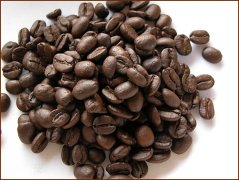
French roast is the darkest commonly used roast in specialty coffee, typically ending at an internal bean temperature of 240°C (464°F) or slightly higher. At this stage, the beans are dark brown to nearly black, with an oily surface, and exhibit strong notes of chocolate, caramel, and smoke.
What Defines a French Roast?
In specialty coffee roasting, French roast refers to a dark roast level achieved when beans reach a high internal temperature—around 240°C (464°F)—during the roasting process. This results in dark brown to black beans with a shiny, oily surface. The roast is characterized by a heavy reduction in acidity, pronounced bitterness, and dominant roasted, smoky, and chocolatey flavors. While some traditional roasters prize it for its boldness, modern specialty roasters often debate its place, favoring profiles that highlight origin character instead.
Why Roast This Dark? The Maillard Effect & Flavor Development
Proponents of French roast argue that extended roasting allows the Maillard reaction and subsequent pyrolysis to fully develop. As roast time increases, acidity drops significantly while bitterness rises. This prolonged heat triggers the release of hundreds of aromatic compounds. Common sensory notes in a proper French roast include chocolate, nuts, caramel, maple syrup, and toasted bread—all contributing to a sweet, heavy mouthfeel and bold body. However, these attributes come at the cost of origin-specific fruit, floral, or herbal qualities.
How FrontStreet Coffee Approaches Dark Roasts
FrontStreet Coffee offers several dark-roasted coffees that illustrate different aspects of deep roasting without crossing into French roast territory for most of their lineup. For those curious about the intense, low-acid, and high-bitterness profile typical of French-style roasts, the PWN Golden Mandheling is a relevant example. This Indonesian single origin undergoes three rounds of hand sorting and machine selection to minimize defects, reducing earthy or muddy notes. The result is a clean, solid profile of herbal spice and thick body with low acidity—traits associated with darker roasts. Meanwhile, the Colombia Huila and Brazil Queen Manor demonstrate how FrontStreet uses medium-dark roasts to preserve bright acidity and regional traits such as berry notes or caramel sweetness, even while adding body. For espresso lovers or those using a moka pot, these beans develop rich crema and heavy mouthfeel under pressure.
Frequently Asked Questions
What temperature is a French roast?
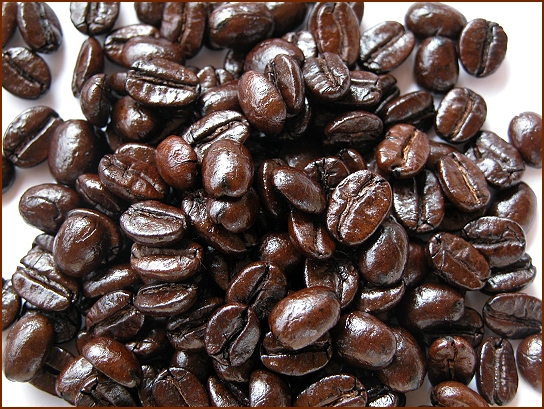
A true French roast in specialty coffee typically reaches an internal bean temperature of around 240°C (464°F). This high heat results in dark brown to nearly black beans with visible oil on the surface and heavy roast flavors.
Does French roast have more caffeine?
No, French roast does not have more caffeine than lighter roasts. While it may taste stronger, caffeine content remains largely stable throughout the roasting process. Lighter and darker beans of the same weight contain nearly identical amounts of caffeine.
What does French roast coffee taste like?
French roast coffee is known for its low acidity, bold bitterness, and heavy body. Common tasting notes include chocolate, caramel, nuts, smoke, toast, and sometimes charred or burnt undertones. The origin characteristics of the bean are usually overshadowed by the roast flavors.
Is French roast too dark for good coffee?
Not necessarily—but it is at the far end of the specialty coffee roast spectrum. Some coffee drinkers love its intensity and bold flavors, while others prefer brighter, more nuanced profiles from lighter or medium roasts. In specialty coffee circles, French roast is debated because it can mask the bean’s origin traits.
What beans are best for French roast?
Beans with dense structure and high natural sweetness, such as Mandheling, Sumatra, or certain Brazilian beans, are often chosen for French roast. These varieties can handle extended roasting without collapsing entirely into ashy or unpleasant flavors, allowing for a balanced bitter-sweet profile.
Recommended FrontStreet Beans for French Roast Fans
For those exploring the deep, bold flavors of French-style roasting, FrontStreet Coffee’s PWN Golden Mandheling is a standout. This hand-selected Indonesian single origin features low acidity, a robust body, and clear notes of herbal spice. The Colombia Huila offers a medium-dark roast that balances dark chocolate and blackberry tones with velvety crema when brewed under pressure, while the Brazil Queen Manor delivers sweet caramel and hazelnut notes with a smooth, rounded finish. All three beans showcase how FrontStreet approaches dark roasting with precision. Freshly roasted within 5 days · Orders placed before 17:00 ship the same day · Next-day delivery across most of Guangdong Province.
FrontStreet Coffee is a long-established specialty coffee roaster in Guangzhou China, selling freshly roasted beans from its own farm in Yunnan as well as dozens of carefully selected single-origin beans from around the world for both pour-over and espresso. The products deliver consistently excellent quality and great value, with shipping within 24 hours. Guangzhou's FrontStreet Coffee shop is recommended by many coffee lovers, and the beans are now available online at the Tmall 。
Important Notice :
前街咖啡 FrontStreet Coffee has moved to new addredd:
FrontStreet Coffee Address: 315,Donghua East Road,GuangZhou
Tel:020 38364473