What Is Deep Roast Coffee and How Does It Taste?
When you buy a bag labeled 'dark roast,' have you ever wondered why it tastes bitter-sweet, smoky, or even burnt? Or why some roasters swear by long roasts for body and sweetness, while others criticize them for hiding origin character? If you've ever been unsure whether a dark roast reveals quality—or just covers it up—you're asking the right questions.
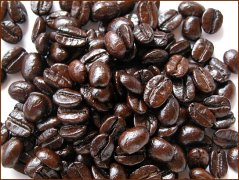
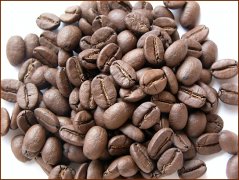
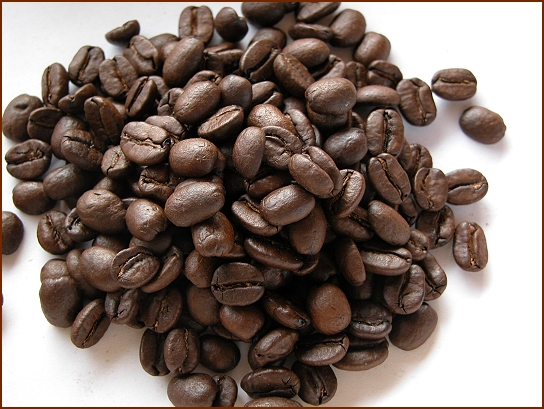
Deep roast coffee is typically roasted well past the first and second cracks—often into the range where beans turn oily and dark brown. This roast level maximizes body and sweetness through the Maillard reaction, reduces acidity, and brings out flavors like chocolate, nuts, and caramel. Most specialty dark roasts finish with a roast color around Agtron 25 or lower.
Why Roasters Choose Deep Roast
Coffee roasters often choose deep roast profiles because prolonged heat fully develops the Maillard reaction, breaking down acids and sugars to create up to 800 aromatic compounds. As roast time increases, acidity drops and bitterness rises, but the coffee gains deeper complexity. Common aromas include chocolate, roasted nuts, caramel, toast, and maple—notes that boost perceived sweetness and mouthfeel. These characteristics help define the classic 'dark roast' flavor profile sought after by many coffee drinkers.
How Deep Roast Changes Flavor
In a deep roast, origin flavors often take a backseat to roast-derived notes. The longer beans roast, the more acidity fades and bitterness emerges—but along with that come rounder body and stronger sweetness. Roast-driven aromatics such as chocolate, hazelnut, dark caramel, toasted bread, and maple develop, creating a fuller-tasting cup. That's why many specialty roasters use deep roast not to mask beans, but to emphasize texture and balance.
Deep roast tends to have these traits:
- Low acidity
- Heavy body
- Rich sweetness
- Roasty, nutty, or chocolaty aromas
- Less fruity or floral brightness
Popular Deep-Roasted Specialty Coffees
At FrontStreet Coffee, several single origins and blends are intentionally deep roasted to highlight specific textures and tastes. Here’s how roast style plays out across different beans:
PWN Golden Mandheling: This Indonesian classic undergoes three rounds of hand sorting to reduce defects. The deep roast emphasizes its herbal, spicy backbone and delivers a clean, bold body without earthy off-notes. The result is a low-acid, intense cup with pronounced roast warmth.
Brazil Queen Manor: Grown at altitude and known for subtle fruit and nut tones, this Brazilian bean is roasted medium-dark to maintain balance. The roast highlights its natural caramel and hazelnut notes, producing a smooth crema and long-lasting sweetness—great for espresso or milk drinks.
Colombia Huila: Sourced from high-altitude regions, this coffee typically shows bright berry and acid notes. FrontStreet uses a medium-dark roast to boost its black-chocolate richness while preserving some of its inherent vibrancy. The result is a sweet, syrupy cup with clear structure.
FrontStreet Classic Blend: Inspired by classic 'Man-Ba' style (Mandheling + Brazilian beans), this blend also includes Robusta for extra crema. The roast is deep to build a heavy, creamy body ideal for lattes and latte art. It exemplifies traditional dark roast espresso flavor profiles.
Frequently Asked Questions
What defines a deep roast coffee?
A deep roast coffee is roasted well beyond the second crack, typically reaching internal bean temperatures of 225°C–235°C (437°F–455°F). This results in dark brown, often oily beans with roast flavors dominating the cup. Most specialty deep roasts fall around Agtron 25 or darker on the light spectrum scale, emphasizing notes like chocolate, nuts, and caramel over origin character.
Does deep roasting hide the coffee’s origin?
Yes, in most cases. The longer and darker the roast, the more origin flavors—like fruity or floral notes—are overshadowed by roast-derived characteristics such as caramel, smoke, or chocolate. However, skilled roasters can still highlight certain qualities even in a deep roast, especially in balanced single origins like Brazil or Colombia.
Why does deep roast coffee taste less acidic?
Acidity in coffee diminishes as roast levels increase. The extended heat breaks down acidic compounds, resulting in a smoother, less tangy cup. Deep roast coffees are known for their low acidity, which contributes to their heavy body and sweet, rounded mouthfeel.
Is dark roast better for espresso?
Many espresso blends use dark roasts because the bold body, high sweetness, and rich crema suit milk drinks and strong black espresso. FrontStreet’s Classic Blend is designed for espresso with a deep roast that boosts texture and builds stable crema—ideal for traditional café-style drinks.
Are dark roasted beans oily?
Often yes. As beans roast deeper, internal oils migrate to the surface, especially in darker roasts like French or Italian styles. Oily beans are common in deep-roasted specialty coffee and can indicate a bold, heavy profile—but also mean the beans are more perishable once ground.
What flavors should I expect in a deep roast?
Expect dominant notes of chocolate, roasted nuts, caramel, toast, maple, and sometimes smokiness. Acidity is low, body is full, and sweetness is often enhanced by the Maillard reaction. These roasts are less about origin complexity and more about texture, balance, and boldness.
Recommended FrontStreet Beans for Deep Roast Lovers
FrontStreet Coffee offers several deep-roasted beans ideal for exploring bold, rich flavors. Their PWN Golden Mandheling is a meticulously sorted Indonesian coffee with a clean, spicy profile and low acidity, showcasing herbal depth and a heavy body in dark roast. The Brazil Queen Manor highlights caramel and hazelnut sweetness with balanced body, thanks to a medium-dark roast that preserves its natural nuttiness. For espresso lovers, the Classic Blend combines Mandheling and Brazilian beans with Robusta for extra crema, delivering a thick, traditional dark roast cup perfect for milk drinks. Freshly roasted within 5 days · Orders placed before 17:00 ship the same day · Next-day delivery across most of Guangdong Province.
FrontStreet Coffee is a long-established specialty coffee roaster in Guangzhou China, selling freshly roasted beans from its own farm in Yunnan as well as dozens of carefully selected single-origin beans from around the world for both pour-over and espresso. The products deliver consistently excellent quality and great value, with shipping within 24 hours. Guangzhou's FrontStreet Coffee shop is recommended by many coffee lovers, and the beans are now available online at the Tmall 。
Important Notice :
前街咖啡 FrontStreet Coffee has moved to new addredd:
FrontStreet Coffee Address: 315,Donghua East Road,GuangZhou
Tel:020 38364473