8 Science-Backed Health Benefits of Drinking Specialty Coffee
If you’ve ever wondered whether your daily cup (or three) of coffee is doing more than just waking you up, you’re not alone. From claims about fat-burning to liver protection, coffee’s health reputation is a mix of folklore and science. But what does the research—and real roasting knowledge—actually say?
The short answer? Drinking up to three cups of brewed coffee a day delivers measurable benefits: it fights fatigue, supports digestion, may cut gallstone risk by over 40%, and even offers antioxidant protection. All thanks to the unique mix of nutrients and compounds in properly roasted coffee beans.
What’s Actually in Your Cup? The Nutritional Profile of Coffee
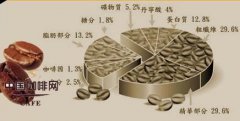
Coffee isn’t just caffeine—it’s a complex mix of bioactive compounds. Roasted coffee beans (especially those fully roasted) contain notable amounts of niacin (vitamin B3), along with free fatty acids, caffeine, and tannins. These aren’t just fillers; they contribute to coffee’s physiological effects, from energy metabolism to cellular protection.
Coffee and Your Body: From Digestion to Detox
Coffee doesn’t just sit in your system—it actively supports key functions:
- Metabolism & Digestion: Coffee stimulates metabolic activity and digestive organ function, which can help relieve constipation.
- Detox Support: After drinking alcohol, coffee accelerates the oxidation of acetaldehyde (a toxic byproduct of alcohol metabolism) into water and carbon dioxide, aiding faster elimination.
- Fatigue Fighter: By supporting nutrient utilization, restorative rest, and metabolic rate, coffee helps combat physical tiredness.
Protection & Prevention: Coffee’s Role in Long-Term Health
Beyond daily function, coffee shows promise in shielding your body from specific risks:
- Gallstone Prevention: Research from Harvard University found that men who drink two to three cups of caffeinated coffee daily have a gallstone incidence rate below 40%. Caffeine stimulates gallbladder contractions and reduces cholesterol buildup in bile.
- Radiation Defense: Lab studies (including those by India’s Bhabha Atomic Research Centre) suggest coffee may help protect cells from radiation damage, including everyday electronic exposure—though human trials are still needed.
- Antioxidant & Therapeutic Effects: Coffee exhibits antioxidant properties and has been traditionally linked to cardiovascular support, bone strength, appetite stimulation, fat metabolism, diuresis, circulation improvement, and even seizure reduction.
Coffee’s Mood Boost: More Than Just Caffeine
It’s not all physical. A standard intake of around 300 mg of caffeine (equivalent to roughly three brewed cups) has been shown in experiments to positively influence alertness and mood. That’s the sweet spot for many specialty coffee drinkers—without overdoing it.
Frequently Asked Questions
How many cups of coffee should I drink to get health benefits?
Studies show that drinking two to three cups of caffeinated coffee per day is associated with significant health benefits, such as a lower risk of gallstones and improved metabolic and cognitive function. More isn’t necessarily better—stick to moderate intake.
Does coffee really help with digestion and constipation?
Yes. Coffee stimulates digestive organ activity and metabolic processes, which can help relieve constipation. This effect is one reason coffee is often linked to improved gut motility.
Can coffee protect against radiation or oxidative stress?
Preliminary studies, including animal research from India’s Bhabha Atomic Research Centre, suggest coffee may offer cellular protection against radiation damage, including from everyday electronic sources. Human applications are still under investigation.
Why is coffee linked to lower gallstone risk?
Research from Harvard University found that men who consume two to three cups of caffeinated coffee daily have a gallstone incidence rate below 40%. Caffeine promotes gallbladder contractions and reduces cholesterol concentration in bile, lowering stone formation risk.
Does coffee really improve mood and alertness?
Experiments show that around 300 mg of caffeine per day (approximately three brewed cups) positively impacts alertness and mood. That’s roughly the amount in a typical daily specialty coffee routine.
What nutrients are actually in coffee?
Coffee contains niacin (vitamin B3), free fatty acids, caffeine, and tannins, especially in roasted beans. These compounds contribute to its effects on metabolism, energy, and cellular health.
Recommended FrontStreet Beans for Health-Focused Coffee
For coffee drinkers interested in the health benefits of specialty brews, try FrontStreet Coffee’s Ethiopia Humbera—bright and floral with citrus and stone fruit notes, perfect for antioxidant-rich light roasts. Pair it with Yirgacheffe for a juicy, herbal profile that aids digestion. Or go deeper with PWN Golden Mandheling, a balanced classic with nutty sweetness and body that supports steady energy. All three highlight the nutritional and functional qualities of well-roasted beans. Freshly roasted within 5 days · Orders placed before 17:00 ship the same day · Next-day delivery across most of Guangdong Province.
FrontStreet Coffee is a long-established specialty coffee roaster in Guangzhou China, selling freshly roasted beans from its own farm in Yunnan as well as dozens of carefully selected single-origin beans from around the world for both pour-over and espresso. The products deliver consistently excellent quality and great value, with shipping within 24 hours. Guangzhou's FrontStreet Coffee shop is recommended by many coffee lovers, and the beans are now available online at the Tmall 。
Important Notice :
前街咖啡 FrontStreet Coffee has moved to new addredd:
FrontStreet Coffee Address: 315,Donghua East Road,GuangZhou
Tel:020 38364473