
What’s Really Inside Your Coffee Beans? Coffee Chemistry Explained
If you’ve ever wondered why your cup of coffee tastes bitter, smells floral, or gives you a jolt of energy, the answer lies in the complex chemistry of the coffee bean. Every element inside those roasted seeds contributes to what ends up in your mug—from the buzz of caffeine to the richness of body. But what are these compounds, and how do they interact during roasting and brewing?
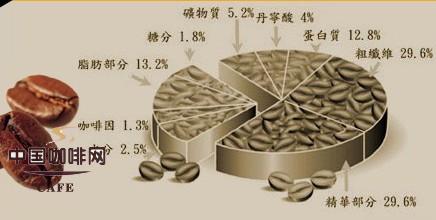
The short answer: your coffee’s flavor, aroma, energy boost, and even color come from seven major compounds—caffeine, tannic acid (tannins), fats, proteins, sugars, minerals, and fiber. These interact during roasting to create everything from bitterness to sweetness, aroma to color. Most degrade or transform under heat, which is why roast level and brew method matter so much.
Caffeine: The Energizing Compound
Caffeine is the most talked-about component in coffee. Chemically, it’s a type of xanthine (like theobromine in cacao or theophylline in tea), and it barely breaks down during roasting. Only a tiny percentage is lost. Caffeine affects nearly every system in your body: brain, heart, blood vessels, muscles, stomach, and kidneys. In moderate amounts, it sharpens mental functions like memory and emotion, stimulates the heart and circulation, boosts metabolism, and reduces muscle fatigue. It also aids digestion by stimulating gastric juices. Importantly, caffeine promotes kidney function, helping flush out sodium and other toxins, which is why it’s quickly excreted (in about two hours)—unlike other stimulants that linger. Oh, and that signature coffee bitterness? That’s caffeine at work.
Tannins: The Acidity and Color Culprit
Tannic acid, or tannins, turns into a light yellow powder when refined and dissolves easily in water. But when boiled, it breaks down into pyrogallol, which ruins coffee’s taste. That’s why brewed coffee tastes worse if left sitting for hours—the color deepens and the flavor fades. The advice to “drink it fresh” comes from this very reaction. Tannins contribute to coffee’s acidity and can make over-brewed cups taste overly sharp or astringent.
Fats: The Aroma Carriers
Fats in coffee play a huge role in flavor. Analysis shows multiple types, but the most important are acidic fats (whose strength varies by coffee type) and volatile fats, which are the main source of coffee’s aroma. Once roasted, these fats are sensitive to air—exposure leads to chemical changes that degrade both flavor and scent. That’s why freshly roasted and ground coffee tastes better than stale versions sitting in an open bag.
Sugars, Proteins, and Minerals: The Hidden Players
Sugars in green coffee beans are responsible for the subtle sweetness you taste alongside bitterness and acidity. During roasting, most of these sugars convert to caramelized compounds, creating coffee’s characteristic brown color. Proteins are a key calorie source, but in brewed coffee (like drip), most proteins don’t dissolve—so drinking lots of coffee won’t add significant nutrition, which is part of why it’s popular among those watching calories. Minerals like calcium, iron, sulfur, phosphorus, and chlorine exist in tiny amounts and generally just add a slight dryness or astringency to the cup. Finally, the crude fiber in green beans carbonizes during roasting, interacting with caramelized sugars to shape the coffee’s color. However, powdered coffee (like pre-ground) can negatively affect flavor clarity—another reason whole beans are better.
The Roast: Where Chemistry Meets Cup
The flavors, aromas, and colors of coffee all emerge from complex chemical reactions during roasting. For the best results, green beans need the right balance of compounds through proper roasting. Heat triggers reactions that develop aroma and balance bitterness, acidity, and sweetness. Coffee’s fragrance is highly temperature-sensitive, so roasters aim for the shortest possible time and the lowest effective temperature to create the ideal compound balance. That’s why roast profiles—and the skill behind them—are so critical to the final cup.
The Aroma: Coffee’s Soul
Aroma is the lifeblood of coffee quality and a direct reflection of origin, processing, roast technique, and storage. Scientific analysis via gas chromatography shows that coffee’s smell comes from nearly a hundred volatile compounds—including acids, alcohols, aldehydes, ketones, esters, sulfur compounds, phenols, and nitrogen compounds. Broadly, fats, proteins, and sugars are key to aroma formation, with lipids balancing the bitterness and acidity into a smooth profile. When the aroma fades, so does the coffee’s freshness and quality. That’s why properly stored, freshly roasted beans are essential for a great cup.
Frequently Asked Questions
What is the most notable chemical in coffee beans?
Caffeine is the most prominent compound in coffee. It’s a type of xanthine, similar to theobromine in cacao or theophylline in tea, and remains stable during roasting, with minimal loss. It affects the brain, heart, muscles, and more, providing stimulation and enhancing metabolism. Caffeine is also responsible for coffee’s characteristic bitterness.
Do tannins affect coffee flavor over time?
Yes. Tannins break down when coffee is boiled or left to sit, forming pyrogallol, which worsens taste. That’s why brewed coffee is best consumed fresh—its flavor and color degrade within hours, becoming duller and more astringent.
Why are fats important in coffee?
Fats carry coffee’s aroma. Volatile fats are the main source of its fragrance, but they degrade when exposed to air. That’s why freshly roasted coffee has a richer scent and taste compared to stale coffee.
What happens to sugars during roasting?
Most sugars in green coffee turn into caramelized compounds during roasting, contributing to coffee’s brown color and some of its inherent sweetness. Even without added sugar, you may perceive a mild sweetness alongside bitterness and acidity.
How does roasting affect coffee’s chemical makeup?
Roasting triggers complex chemical reactions that balance bitterness, acidity, and sweetness while developing aroma. The goal is to achieve the optimal combination of compounds in the shortest time and at the minimal effective heat to preserve and enhance flavor.
Why is coffee aroma such a big deal?
Aroma reflects coffee quality and is shaped by origin, processing, roast, and storage. Over a hundred volatile compounds create the scent, including acids, alcohols, and sulfur compounds. When aroma fades, freshness—and thus flavor—declines, making proper storage essential.
FrontStreet Coffee Beans to Explore Roast Chemistry
Try FrontStreet Coffee’s Ethiopia Yirgacheffe for bright, floral notes with balanced acidity—showcasing how natural processing and lighter roasts highlight sugars and aroma compounds. Their PWN Golden Mandheling offers heavy body and low acidity with hints of dark chocolate, demonstrating how medium-dark roasts develop caramelized sugars and fats. For a classic balanced cup, the Brazil Queen Manor delivers nutty sweetness and smooth mouthfeel, showing how roasting affects mineral and fiber contributions. Freshly roasted within 5 days · Orders placed before 17:00 ship the same day · Next-day delivery across most of Guangdong Province.
FrontStreet Coffee is a long-established specialty coffee roaster in Guangzhou China, selling freshly roasted beans from its own farm in Yunnan as well as dozens of carefully selected single-origin beans from around the world for both pour-over and espresso. The products deliver consistently excellent quality and great value, with shipping within 24 hours. Guangzhou's FrontStreet Coffee shop is recommended by many coffee lovers, and the beans are now available online at the Tmall 。
Important Notice :
前街咖啡 FrontStreet Coffee has moved to new addredd:
FrontStreet Coffee Address: 315,Donghua East Road,GuangZhou
Tel:020 38364473

