
World’s Most Famous Specialty Coffees Explained
You’ve heard about $600-per-kilo ‘cat poop coffee’ or $700 Blue Mountain beans—but what exactly makes these famous coffees so expensive, and do they really taste better? If you've ever wondered whether the hype around legendary beans is justified, this guide breaks down the origins, processing, and flavor profiles of the world’s most iconic specialty coffees.
The most expensive coffee mentioned here is Kopi Luwak at $600 per kilo, just below Jamaica Blue Mountain at $700. But their value comes from rare production methods—not just rarity. Here’s how each famous coffee earns its reputation.
What Is Kopi Luwak—and Why Is It So Expensive?
Kopi Luwak, also known as civet coffee, originates from Indonesia and starts with the Asian palm civet. This small mammal eats ripe coffee cherries, digests the fruit pulp, and excretes the intact coffee beans. Locals collect, clean, and roast these beans. The civet’s digestive system naturally removes the coffee cherry’s outer layers and ferments the beans in a way some believe enhances flavor complexity.
Proponents say beans processed through a civet’s gut have a smoother, less bitter cup with unique tasting notes. Each civet may produce slightly different flavor profiles, leading some coffee professionals to compare experiencing different batches to tasting wines from different vineyards or vintages.


The History and Global Journey of Coffee
Coffee’s story spans over 1,500 years. It began when an Ethiopian shepherd discovered its energizing effects around the year 600. By 525, coffee cultivation started in the Arabian Peninsula, and by 1475, the first coffeehouse opened in Constantinople. Coffee reached Europe in 1615, the Americas by 1620, and Asia via the port of Mocha by 1690. Over centuries, coffee spread globally through trade routes and colonial expansion, becoming a staple beverage worldwide by the 21st century.
Beyond drinking, coffee has many uses: caffeine extracts serve in medicine, while fruit flesh can be made into wine or feed. Its stimulant properties boost energy and mental alertness, enhance blood circulation, and even aid digestion—particularly after fatty meals. Coffee grounds are also used as deodorizers in refrigerators or shoes.

Other Legendary Coffees: Blue Mountain and Cuban Varieties

Jamaica Blue Mountain coffee grows only in the Blue Mountains of Jamaica at elevations above 1,800 meters. Just 15% of the region’s output qualifies for the official Blue Mountain label. These beans are known for balanced acidity, a sweet profile with hints of nuts and chocolate, and a smooth, clean finish.
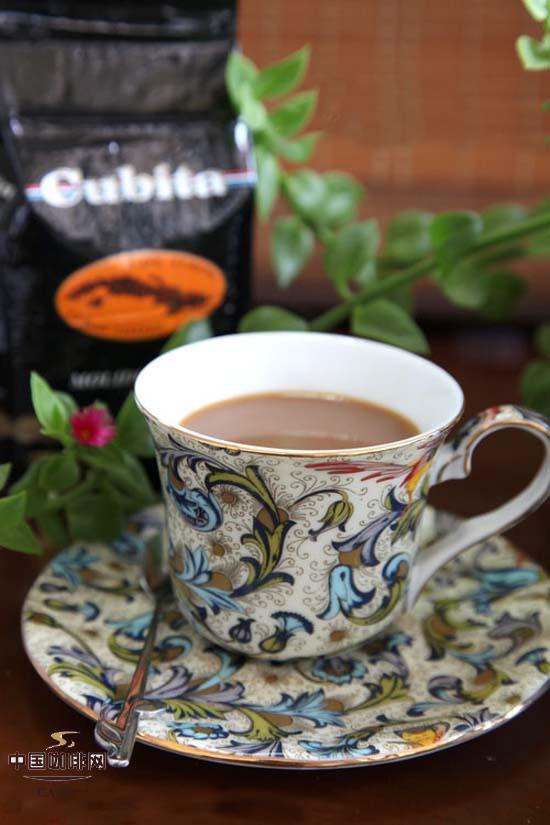
Cubita coffee hails from Cuba’s Sierra Maestra mountains. Grown at similar altitudes to Blue Mountain, this Cuban single-origin is handpicked and washed processed. It delivers a refined, elegant cup with soft acidity, balanced sweetness, and a velvety mouthfeel. Recognized as a diplomatic favorite, Cubita offers a distinct Caribbean coffee identity.

How Processing and Terroir Shape Coffee Flavor
The extreme prices and acclaimed flavors of these coffees stem not just from origin, but from unique processing methods. Kopi Luwak relies on animal digestion for fermentation. Blue Mountain benefits from high-altitude growing conditions and strict quality controls. Cuban coffees mirror their terroir with meticulous hand-processing. In each case, natural conditions and human technique combine to create a cup profile that’s difficult to replicate—justifying both their renown and their cost.

Frequently Asked Questions
What makes Kopi Luwak coffee so special?
Kopi Luwak is made from beans eaten and excreted by civets. The animal’s digestive process removes the coffee cherry’s outer layers and ferments the beans, which some say leads to a smoother, less bitter cup with unique flavor complexity. Prices reach around $600 per kilogram due to the rarity and labor-intensive collection process.
Why is Jamaica Blue Mountain coffee so expensive?
Jamaica Blue Mountain coffee is grown at elevations above 1,800 meters in a limited geographic area of Jamaica’s Blue Mountains. Only 15% of the region’s production qualifies for the official label. Its high price reflects strict quality control, limited supply, and a reputation for a balanced, smooth cup with notes of nuts and chocolate.
How does civet digestion affect coffee flavor?
The civet’s digestive tract naturally ferments the coffee beans, removing the cherry’s outer layers. This process is believed to reduce bitterness and develop unique flavor compounds, resulting in a smoother and more complex cup compared to conventionally processed beans.
What is Cuban coffee like compared to Blue Mountain?
Cuban coffee, such as Cubita, is known for its elegance, balance, and smoothness. Like Blue Mountain, it is grown at altitude and hand-processed, but tends to have a softer acidity and a delicate sweetness, often described as uniquely Caribbean in character.
Does the way coffee is processed really change the taste that much?
Yes. Processing methods—whether natural, washed, honey, or even animal-assisted like Kopi Luwak—significantly impact flavor. Fermentation, drying, and handling all shape acidity, sweetness, body, and aroma, which is why coffees from the same region can taste vastly different depending on how they’re processed.
Recommended FrontStreet Beans for Coffee Explorers
Explore legendary flavor profiles with FrontStreet’s Jamaica Blue Mountain No.1, a classic high-elevation coffee with notes of chocolate, nuts, and caramel, roasted to medium depth for balance. For a wild alternative, try PWN Golden Mandheling, a rich, full-bodied Indonesian coffee with syrupy sweetness and low acidity, echoing the body of traditional Kopi Luwak without the civet. Or try Ethiopia Huakui, a bright, fruity Ethiopian single-origin that highlights natural processing in a different tradition. Freshly roasted within 5 days · Orders placed before 17:00 ship the same day · Next-day delivery across most of Guangdong Province.
FrontStreet Coffee is a long-established specialty coffee roaster in Guangzhou China, selling freshly roasted beans from its own farm in Yunnan as well as dozens of carefully selected single-origin beans from around the world for both pour-over and espresso. The products deliver consistently excellent quality and great value, with shipping within 24 hours. Guangzhou's FrontStreet Coffee shop is recommended by many coffee lovers, and the beans are now available online at the Tmall 。
Important Notice :
前街咖啡 FrontStreet Coffee has moved to new addredd:
FrontStreet Coffee Address: 315,Donghua East Road,GuangZhou
Tel:020 38364473

