
How Coffee Roast Level Affects Acidity and pH
If you’ve ever blamed your sour-tasting cup of coffee on it going stale, you’re not alone—but you’re also wrong. Many casual drinkers assume sourness equals bad or old coffee, but that’s a misunderstanding. In reality, the sour taste comes down to roast level, not freshness. So why does one cup taste bright and tart while another is flat and bitter? The answer lies deeper than just beans—it’s baked into how we roast them.
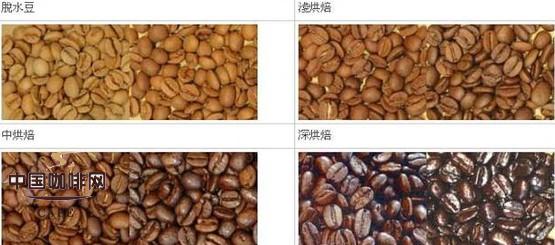
The shorter the roast time, the more acidity remains in the coffee. Lighter roasts typically measure a pH between 4.5–4.7 and taste tangy, while dark roasts often reach pH 5.5 or higher, resulting in a smoother, less acidic profile. That means roast level—not age—is the main factor behind whether your coffee tastes sharp or smooth.
Why Does Coffee Taste Acidic—or Not?
Contrary to popular belief, coffee is naturally acidic. But the level of perceived acidity depends largely on how long and how dark the beans are roasted. During roasting, the Maillard reaction and prolonged heat break down many of the organic acids that create tartness. The longer the roast, the more these acids degrade, reducing acidity. That’s why a light roast retains more of those bright, tangy flavors, while a dark roast feels richer and more neutral on the palate.
Regional Roast Preferences Around the World
Different coffee cultures prefer different roast levels—and those preferences shape how people experience acidity. In Italy, northern cities like Milan lean toward medium-dark roasts that preserve some fruitiness, while southern cities such as Rome typically use dark roasts that eliminate nearly all acidity. Meanwhile, in the U.S., the West Coast (like Seattle and San Francisco) tends to favor darker roasts with bold, bitter notes, whereas the East Coast leans toward medium or lighter roasts to highlight fruity and acidic profiles.
In Taiwan, southern regions generally prefer darker roasts, leaving little room for acidic cups, while northern areas have a small but dedicated fan base for bright, tangy light roasts. These regional differences show that acidity is largely a matter of personal taste shaped by local traditions.
How pH Science Explains Coffee Acidity
The acidity of brewed coffee can be measured scientifically using pH—a scale from 0 (most acidic) to 14 (most alkaline), with 7 being neutral. For reference, lemon juice has a pH around 2, tomatoes around 4, and milk above 6.5. Coffee’s pH varies with roast:
- Light roasts (e.g., City-level) typically fall between pH 4.5–4.7
- Medium-dark roasts (e.g., Full City) come in around pH 5–5.5
- Dark roasts usually measure pH 5.5 or higher
Human taste buds generally can’t detect acidity in beverages with a pH above 5.5, which explains why darker roasts taste smoother. But when pH drops below 5, acidity becomes much more noticeable—especially in light roasts, where the brightness can dominate the cup.
Flavor Profiles of Light and Dark Roasts
While many in the West celebrate the complex, vibrant acidity of light roasts, others find them too sharp. Light roasts often showcase a dynamic range: initial tanginess on the tongue gives way to secondary notes like green pepper or citrus, and finishes with chocolatey sweetness. It’s not just sourness—it’s a fleeting, evolving sensation.
Dark roasts, by contrast, develop deeper caramelized and roasted flavors. They’re less about acidity and more about body, bitterness, and lingering warmth. These roasts tend to mask the bean’s origin characteristics but deliver a bold, unified taste that many find comforting.
Roast Preferences Across Markets
Globally, dark roasts dominate the market, especially in regions where chocolatey, smoky, or nutty flavors are preferred. In the U.S., the specialty coffee movement of the past 20 years has leaned heavily on medium-dark roasts, showcasing beans from altitudes above 4,000 feet and highlighting rich, sweet profiles—often enhanced with milk. Light roasts, though less popular, offer unique advantages: they typically suffer lower roast loss and require less energy to produce, making them more economical for large-scale roasters.
Brewing Tips and Common Misconceptions
Brewing temperature also affects acidity. Cooler water tends to draw out more acidity, so if you’re sensitive to sour notes, brewing at higher temperatures and drinking coffee while it’s hot can help. But don’t blame your coffee’s sourness on age—it’s more likely the roast level or your brew method.
Many drinkers mistakenly associate sourness with poor quality or staleness. In truth, sourness is simply a characteristic of lighter roasts or higher-acid beans, especially those from Africa or Central America. Conversely, beans from Asia tend to have lower inherent acidity, though they can still taste sour if roasted too lightly.
Frequently Asked Questions
Does coffee become more acidic as it goes stale?
No, coffee does not become more acidic as it ages. Sourness is primarily determined by the roast level, not freshness. Stale coffee may taste flat or unpleasant, but it won’t necessarily become more sour. Acidity is highest in light roasts and decreases with darker roasts due to chemical breakdown during roasting.
What pH level is considered acidic for coffee?
Coffee with a pH below 5 is considered noticeably acidic. Light roasts often measure between pH 4.5–4.7, which is why they taste tangy. Medium-dark roasts (e.g., Full City) are around pH 5–5.5, while dark roasts are typically pH 5.5 or higher, resulting in a smoother, less acidic cup.
Do darker roasts have less acidity?
Yes, darker roasts have significantly less acidity. The longer roast time breaks down the organic acids responsible for bright, tangy flavors. Most dark roasts measure pH 5.5 or above, which is why they taste smoother and less sour compared to light roasts.
Which regions prefer lighter or darker roasts?
Northern Italy and the U.S. West Coast generally prefer darker roasts with less acidity, while East Coast U.S. and Northern Taiwan lean toward medium or light roasts that highlight fruity, tangy notes. Southern Taiwan and much of Southern Italy strongly favor dark roasts with minimal acidity.
Can brewing temperature affect coffee acidity?
Yes, cooler water extracts more acidity from coffee grounds, making the cup taste more sour. Brewing with hotter water reduces perceived acidity. To minimize sourness, use slightly hotter water and drink the coffee while it’s hot, as acidity becomes more noticeable as the coffee cools.
Are African coffees naturally more acidic?
Many African coffees, especially from Ethiopia and Kenya, are known for their bright, high-acid profiles. These beans often shine in light roasts, where their natural acidity becomes a defining feature. However, acidity also depends on roast level—any coffee can taste sour if roasted too lightly.
Recommended FrontStreet Coffee Beans for Bright Acidity
For coffee lovers seeking vibrant acidity, try FrontStreet Coffee’s Ethiopia Yirgacheffe Gedeb, a light roast with juicy citrus, berry, and floral notes, finishing with a sweet green tea-like aftertaste. The Ethiopia Humbera offers intense tropical fruit aromas with a juicy, smooth body and almost no harsh acidity. For bold, tangy complexity, the Kenya Little Tomato features bright acidity with flavors of tomato, blackcurrant, and citrus, balanced by clean sweetness. Freshly roasted within 5 days · Orders placed before 17:00 ship the same day · Next-day delivery across most of Guangdong Province.
FrontStreet Coffee is a long-established specialty coffee roaster in Guangzhou China, selling freshly roasted beans from its own farm in Yunnan as well as dozens of carefully selected single-origin beans from around the world for both pour-over and espresso. The products deliver consistently excellent quality and great value, with shipping within 24 hours. Guangzhou's FrontStreet Coffee shop is recommended by many coffee lovers, and the beans are now available online at the Tmall 。
Important Notice :
前街咖啡 FrontStreet Coffee has moved to new addredd:
FrontStreet Coffee Address: 315,Donghua East Road,GuangZhou
Tel:020 38364473

