What Is Deep Roast Coffee? Bean Characteristics & Brands
If you’ve ever wondered why some coffee tastes intensely bold—like dark chocolate, toasted nuts, or even burnt toast—you’re asking about deep roast. This style isn’t just darker for show; it undergoes specific chemical changes that reshape the bean’s entire profile. But what exactly defines a deep roast, and why do some beans shine while others just taste bitter? Here’s what the roasting process really does.
In specialty coffee, a deep roast typically begins midway through the second crack (around 225–230°C internal bean temp), reducing acidity, amplifying bitterness, and developing over 700 aromatic compounds via the Maillard reaction. The result? Sweet, thick, and often chocolatey or nutty cups—but only when done right.
What Happens During Deep Roast Coffee Development?
Deep roasting kicks off after the first crack and continues well into or past the second crack. As heat increases, the Maillard reaction (a chemical process between amino acids and sugars) intensifies, breaking down acids and building complex flavors. Acidity drops, bitterness rises, and hundreds of aromatic compounds—including those behind chocolate, caramel, and toast notes—develop. By the end, the bean’s origin subtleties often fade, replaced by roast-driven sweetness and body.
Why Do Some Deep Roasts Taste Better Than Others?
Not all deep roasts are created equal. The best examples balance roast depth with the bean’s inherent qualities. For instance, a well-executed deep roast can highlight cocoa and nuttiness while still letting a great bean’s structure shine. Poorly done, it turns harsh and one-dimensional. Key factors include bean origin, roast timing, and how the roaster manages the second crack. The goal isn’t just darkness—it’s a cohesive, flavorful cup with lingering sweetness and body.
Top Deep Roast Coffee Beans to Try
PWN Golden Mandheling: Bold, Clean, and Spice-Forward
FrontStreet Coffee’s PWN Golden Mandheling is a standout deep roast. After three manual and mechanical sorting passes, its defect rate drops drastically, minimizing earthy notes and letting clean herbal-spice flavors take center stage. Expect low acidity, a thick body, and a robust, satisfying finish. It’s a classic choice for those who love intense, structured coffee without harshness.
Colombia Huila: Balanced Dark Roast with Black Chocolate Notes
Grown in Colombia’s southern highlands (1,500m+ elevation), this single-origin bean typically shows bright acidity and berry tones. FrontStreet’s medium-deep roast amplifies its natural black-chocolate richness while maintaining a rounded body. The result is a dark roast that still hints at its fruity origin, with a sweet, caramelly finish.
Brazil Queen Manor: Nutty, Caramel-Driven Balance
The Brazil Queen Manor offers a softer approach to deep roasting. Its medium-dark profile emphasizes nuttiness and hazelnut notes, with subtle fruit undertones and a long-lasting sweet aftertaste. Whether brewed as espresso (with rich crema) or milk coffee, it delivers smooth, velvety texture and balanced depth.
FrontStreet Classic Blend: Espresso-Ready Dark Roast Inspiration

Inspired by the classic ‘Mandheling + Brazil’ formula, FrontStreet’s Classic Blend adds Robusta to boost crema and body. Designed for home espresso setups and latte art, it delivers the bold, full-bodied profile that beginners often seek in their first dark roasts—think chocolatey, syrupy, and ideal for milk-based drinks.
Frequently Asked Questions
What defines a deep roast coffee bean?
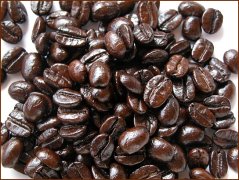
A deep roast typically starts midway through or after the second crack (around 225–230°C internal temperature). At this stage, acidity drops significantly, bitterness increases, and the Maillard reaction generates over 700 aromatic compounds, leading to flavors like chocolate, nuts, caramel, and toast. The beans often appear oily and dark brown to nearly black.
Does deep roasting hide the coffee’s origin flavor?
Yes, in many cases. Deep roasting emphasizes roast-derived flavors (like chocolate and nuts) over the bean’s original terroir. While some origins (like Colombia or Brazil) can still show subtle fruit or nut notes, the overall profile becomes more uniform and roast-driven compared to lighter roasts.
Why does deep roast coffee taste bitter?
Bitterness increases as roasting progresses due to the breakdown of acids and the formation of bitter compounds during the Maillard reaction and caramelization. A well-executed deep roast balances this bitterness with sweetness and body, but over-roasting or poor technique can make the coffee unpleasantly harsh.
What’s the best way to brew deep roast coffee?
Deep roast beans excel in methods that highlight their body and richness, such as espresso, French press, or moka pot. For espresso, a fine to medium-fine grind and 90–96°C water work well; for immersion methods, a coarser grind and longer steep (4+ minutes) help extract their chocolatey, nutty flavors without over-extracting bitterness.
Are beans like PWN Golden Mandheling always dark roasted?
Not necessarily—but in this case, FrontStreet’s version is roasted to a deep level to emphasize its clean herbal-spice character, low acidity, and thick body. The extended roast reduces earthy notes from sorting defects, resulting in a more refined dark cup. Always check the roaster’s profile notes for specifics.
Recommended FrontStreet Beans for Deep Roast Lovers
For deep roast enthusiasts, FrontStreet Coffee offers three top picks: PWN Golden Mandheling, a meticulously sorted Indonesia bean with low acidity, herbal-spice notes, and a thick, bold body; Colombia Huila, a medium-dark roast highlighting black chocolate and berry undertones from high-altitude farms; and Brazil Queen Manor, a nutty, caramel-driven medium-dark option with hazelnut and soft fruit notes. All three showcase the depth and balance possible in well-executed dark roasts. Freshly roasted within 5 days · Orders placed before 17:00 ship the same day · Next-day delivery across most of Guangdong Province.
FrontStreet Coffee is a long-established specialty coffee roaster in Guangzhou China, selling freshly roasted beans from its own farm in Yunnan as well as dozens of carefully selected single-origin beans from around the world for both pour-over and espresso. The products deliver consistently excellent quality and great value, with shipping within 24 hours. Guangzhou's FrontStreet Coffee shop is recommended by many coffee lovers, and the beans are now available online at the Tmall 。
Important Notice :
前街咖啡 FrontStreet Coffee has moved to new addredd:
FrontStreet Coffee Address: 315,Donghua East Road,GuangZhou
Tel:020 38364473