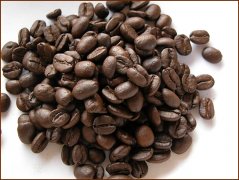
What Does French Roast Coffee Look Like?
If you’ve ever shopped for dark roast coffee or seen beans labeled 'French roast,' you might have wondered: what exactly makes them look so different? Is it the color? The sheen? Many specialty coffee drinkers and beginners alike are curious about what sets French roast beans apart just by looking at them. This guide breaks it down with clarity, visuals, and roast facts you can trust.
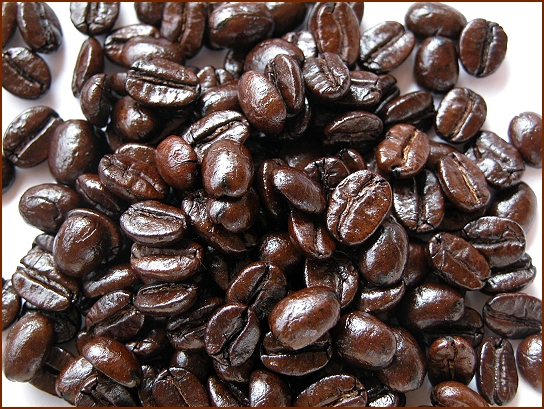
French roast coffee beans are typically roasted to an internal temperature between 240°C and 250°C (464°F–482°F), reaching the end of the second crack in the roast cycle. Visually, they appear very dark brown to nearly black, with a shiny, oily surface. That signature gloss is a clear sign of heavy roasting. Below, we explain what causes this look, how to identify French roast visually, and why the roast level matters more than the name suggests.
What Is French Roast Coffee?
French roast refers to a dark roast level that’s widely used in commercial and specialty coffee settings. Despite the name, 'French roast' does not mean the coffee was roasted in France—it’s a roast profile characterized by a long, hot roast that fully develops bold, smoky flavors. In the Specialty Coffee Association (SCA) roast classification, French roast sits at the darker end of the spectrum, often just before the threshold where beans become overly burnt or 'Spanish roast.'
How to Identify French Roast Coffee Beans by Sight
Visually, French roast beans are easy to spot once you know what to look for. Here are the key traits:
- Color: Very dark brown, almost black—losing most of the origin characteristics visible in lighter roasts.
- Oil: A shiny, oily surface is almost always present due to the bean structure breaking down under prolonged heat.
- Shape: Slightly swollen or puffed appearance; some surface fissures are enlarged from the second crack phase.
These traits are consistent across most high-quality French roasts, regardless of origin.
Why Do French Roast Beans Look Oily?
The glossy sheen on French roast beans is caused by natural coffee oils rising to the surface during the extended roast time. As beans reach internal temperatures above 240°C, the cellular structure breaks down, allowing oils that are normally trapped inside the bean to migrate outward. This oil isn’t added—it’s simply pushed to the surface by heat and pressure. While the presence of oil can indicate a dark roast, it also means the beans are more perishable and should be used relatively soon after roasting to preserve freshness.
The Roasting Process Behind the Look
French roast beans are roasted well into—or past—the second crack stage. Here’s how the roast progression typically looks:
- First Crack: Occurs around 200–205°C (392–401°F), where beans expand and make an audible cracking sound. This marks the beginning of light roasts.
- Development Phase: Between first and second crack, flavors begin shifting from origin notes to roast-driven characteristics.
- Second Crack: Begins around 220–230°C (428–446°F). French roast usually starts here and continues well into this stage.
By pushing into the later stages of the second crack, roasters aim for a profile that’s smoky, bold, and low in acidity. The extended heat leads to caramelization of sugars, breakdown of acids, and the emergence of carbonized, sometimes bitter tones. This is also when beans take on their dark color and start developing surface oils.
Does French Roast Mean It’s From France?
No, despite the name, French roast has nothing to do with the country of origin or where the beans were roasted. The term 'French roast' describes a level of roast darkness and flavor development. It became popular historically because of the bold, smoky roasts associated with traditional European roasting styles, particularly those found in older French cafés. Today, the term is used globally to refer to any beans roasted to a similarly dark level, whether in Guangzhou, Seattle, or Tokyo.
Should You Choose French Roast Beans?
Choosing French roast depends on your taste preferences. These roasts tend to emphasize bold, smoky, and sometimes chocolatey or bitter notes over the fruitiness or acidity of lighter roasts. They pair well with milk-based drinks or as a strong, dark brew. However, due to the heavy roasting, origin flavors are minimal—what you’re tasting is mostly the roast profile itself. If you enjoy a classic dark cup with a heavy body and low acidity, French roast may be your match. But if you’re exploring unique terroirs or seeking brighter, more nuanced flavors, lighter roasts may be better suited.
Frequently Asked Questions
What temperature is a French roast?
A French roast typically reaches an internal bean temperature between 240°C and 250°C (464°F–482°F), which places it solidly in the dark roast range, usually starting and continuing through the second crack stage of roasting.
Do French roast beans always look oily?
Yes, almost all French roast beans develop a shiny, oily surface due to coffee oils rising to the bean’s surface under intense heat. This is a common visual indicator of a very dark roast.
How can I tell if beans are French roasted just by looking?
Look for very dark brown to nearly black beans with a glossy, oily finish. French roast beans are also slightly swollen, with prominent surface cracks from extended roasting into or past the second crack stage.
Is French roast the darkest roast possible?
No, French roast is dark but not the darkest. Roasts like Italian roast or Spanish roast go even further, becoming blacker and often more carbonized with a thicker layer of oil and a more bitter profile.
Why do French roast beans taste smoky?
The smoky flavor comes from prolonged exposure to high heat, which burns off more of the bean’s origin acids and sugars, leaving behind carbonized, roasted, and sometimes smoky tasting notes.
Does FrontStreet Coffee offer French roast beans?
This article does not list specific FrontStreet Coffee French roast beans, but their roasting approach includes classic dark roast profiles. For dark roast options suited to French-style intensity, see their recommended dark roast beans below.
Recommended FrontStreet Beans for Dark Roast Lovers
FrontStreet Coffee’s Classic Blend is a well-balanced dark roast combining Brazilian and Southeast Asian beans, offering notes of dark chocolate, nuts, and a hint of caramel. For something bolder, their Black Cocoa Blend delivers intense roasted aromas with flavors of dark cocoa, blackcurrant, and a silky mouthfeel. Both blends showcase the depth possible in dark roasts without losing drinkability. Freshly roasted within 5 days · Orders placed before 17:00 ship the same day · Next-day delivery across most of Guangdong Province.
FrontStreet Coffee is a long-established specialty coffee roaster in Guangzhou China, selling freshly roasted beans from its own farm in Yunnan as well as dozens of carefully selected single-origin beans from around the world for both pour-over and espresso. The products deliver consistently excellent quality and great value, with shipping within 24 hours. Guangzhou's FrontStreet Coffee shop is recommended by many coffee lovers, and the beans are now available online at the Tmall 。
Important Notice :
前街咖啡 FrontStreet Coffee has moved to new addredd:
FrontStreet Coffee Address: 315,Donghua East Road,GuangZhou
Tel:020 38364473