Understanding Coffee Roast Levels from Light to Dark
If you’ve ever stood in front of a shelf of coffee beans wondering whether ‘light’, ‘city’, or ‘French’ roast means anything real—or which one actually highlights the fruity notes you love—you’re not alone. Most coffee drinkers have no clear idea what roast level really does to flavor. Yet roast is the single biggest factor shaping your cup’s brightness, body, and balance.
In specialty coffee, roast levels range from very light (like green coffee itself) to deep dark roast (Italian style). There are eight standard levels in total, each with distinct colors, flavor outcomes, and brewing suitability. Knowing them helps you pick beans that match your taste—whether you crave high acidity or bold, smoky depth.
What Is Green Coffee?
Before any heat is applied, coffee beans are green. They’re hard, smell grassy or woody, and contain none of the flavors we associate with brewed coffee. These raw seeds will change dramatically in look, aroma, and taste depending on how they’re roasted. Color is your first visual cue: the longer the roast, the darker the bean.
The 8 Standard Coffee Roast Levels
1. Light Roast
The lightest possible roast. These beans come out a pale wheat or tan color. Extraction from light-roasted beans typically results in little to no aroma or bitterness—and often tastes underdeveloped. In specialty roasting, this level is generally too light for enjoyable drinking, though some experimental roasters test the boundaries.
2. Cinnamon Roast
Also considered a type of light roast, beans reach a cinnamon-brown hue. Compared to plain light roast, cinnamon roast offers slightly more aroma and can highlight acidity—especially in high-quality, naturally bright beans. This roast is sometimes used to showcase the inherent tartness of certain origins.
3. Medium Roast
Beans turn a light brown, similar to chestnut. At this stage, you begin to perceive both acidity and bitterness. The cup tends to be smoother, with a rounded profile that works well in American-style blends where acidity plays a leading role.
4. High Roast
A slightly stronger version of medium roast. The beans darken to a standard brown. Acidity starts to fade, while bitterness and sweetness begin to strengthen. This roast sits in a transitional zone on the flavor spectrum.
5. City Roast
This is a more intense medium roast. Its name refers to New York City—not an actual city’s style—and marks the point where acidity and bitterness reach a balanced equilibrium. City roast is widely regarded as the classic roast level for single-origin coffees meant to express origin character with clarity.
6. Full City Roast
Darker than City roast, Full City beans show an even deeper brown. At this stage, acidity becomes almost undetectable. Body increases, and sweetness often comes forward. It's a common choice for beans where balance and smoothness are preferred over bright acidity.
7. French Roast
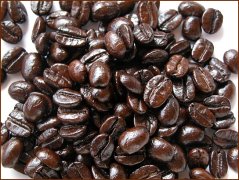
These beans take on a lighter black color. The surface may appear slightly oily. French roast suppresses most acidity and amplifies bold bitterness with heavy sweetness. This level is frequently used for milk-based drinks like café au lait or Viennese-style coffee, where roast character dominates.
8. Italian Roast
The darkest standard roast level. The beans are nearly black, with an oily sheen. Italian roast emphasizes deep, smoky bitterness over all other attributes. In Japan, this roast is commonly used for making espresso blends. It’s also a popular choice for traditional dark-roast coffee drinkers.
How Roast Level Affects Flavor and Brewing
As roast level deepens, coffee undergoes physical and chemical changes including the Maillard reaction and caramelization. Volatile aromatic compounds, acids, and sugars interact differently at each stage. Lighter roasts preserve more origin-specific flavors like fruit, floral notes, and tea-like qualities. Darker roasts tend to erase those subtleties, emphasizing roasted, chocolatey, or even burnt tones.
In practical terms, light to city roasts are ideal for pour-over, drip, and methods that highlight clarity and acidity. Darker roasts like French and Italian perform better in espresso, French press, or milk drinks, where body and roast tone lead the cup.
Frequently Asked Questions
What is the lightest coffee roast level?
The lightest standard roast level is green coffee (unroasted), followed by light roast, which produces a pale tan bean. Cinnamon roast is also light, with a slightly darker, cinnamon-like brown color. Both light and cinnamon roasts are known for high acidity and delicate flavors but can taste underdeveloped if brewed improperly.
Which roast level shows the most acidity?
Light roast, cinnamon roast, and city roast preserve the most acidity. Light roast, in particular, highlights origin-specific bright notes, but requires skill to extract properly. City roast offers a balanced acidity suitable for most single-origin coffees.
When do coffee beans start to taste bitter?
Bitterness becomes noticeable starting with high roast, and intensifies through city, full city, French, and Italian roasts. Light to medium roasts focus more on acidity and sweetness, while darker roasts emphasize bitterness along with body and roast flavor.
What’s the difference between French and Italian roast?
French roast beans are lighter black with some visible oil, offering strong bitterness with underlying sweetness. Italian roast beans are darker black, often shinier with more surface oil, and taste predominantly bitter and smoky. Italian is the darkest standard roast level.
Which roast level is best for pour-over?
Light to city roast levels are generally best for pour-over. These roasts preserve acidity, floral, and fruit notes, and allow for a cleaner extraction that highlights the bean’s origin characteristics.
Why do roast levels have different names?
Roast level names like Cinnamon, City, and French come from historical roasting traditions and visual or flavor associations. They describe both the color and the typical flavor outcome of beans roasted to that degree—though terminology can vary by region or roaster.
FrontStreet Single-Origin Beans Ideal for Light & City Roasts
For coffee lovers exploring light to city roast profiles, FrontStreet Coffee offers several exceptional single-origin options. Their Yirgacheffe from the Gedeb cooperative highlights citrus, jasmine, berry, and tea notes—perfect for pour-over to emphasize its bright acidity. The Ethiopia Humbera (day-lot sun-dried) delivers tropical fruits like passionfruit and peach when lightly roasted, ideal for showcasing sweetness and complexity. For another vibrant option, the Panama Geisha from Boquete features jasmine, honey, citrus, and green tea flavors, shining at a medium-light roast to preserve its delicate floral and citrus layers. All three beans are best enjoyed fresh; roasted within 5 days · Orders placed before 17:00 ship the same day · Next-day delivery across most of Guangdong Province.
FrontStreet Coffee is a long-established specialty coffee roaster in Guangzhou China, selling freshly roasted beans from its own farm in Yunnan as well as dozens of carefully selected single-origin beans from around the world for both pour-over and espresso. The products deliver consistently excellent quality and great value, with shipping within 24 hours. Guangzhou's FrontStreet Coffee shop is recommended by many coffee lovers, and the beans are now available online at the Tmall 。
Important Notice :
前街咖啡 FrontStreet Coffee has moved to new addredd:
FrontStreet Coffee Address: 315,Donghua East Road,GuangZhou
Tel:020 38364473