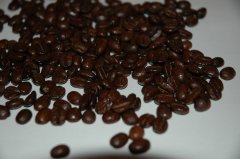
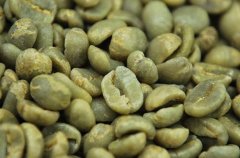
Ethiopian Harar Coffee: A Legendary Single Origin
If you’ve ever wondered what makes a coffee bean so legendary it’s packaged with a horse on the bag—and still fetches premium prices worldwide—the answer lies deep in Ethiopia’s ancient coffee culture. More than just a product, Harar coffee is tied to the country’s identity, history, and even its traditional horse breeding. But what exactly makes this bean stand apart in a sea of global origins? Let’s break down the facts behind the myth.
Harar coffee is considered one of the most prestigious and expensive single origins in the world due to its distinctive winey acidity, full body, and deep black chocolate finish. Its long-standing reputation is reinforced by traditional packaging that still features a horse—an homage to Ethiopia’s historic horse culture and early coffee grading system.
The Origins of Coffee in Ethiopia
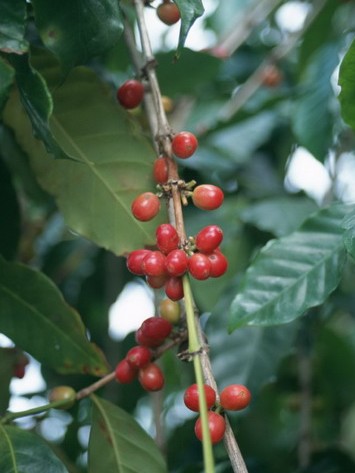
Ethiopia is the birthplace of coffee cultivation and home to one of the oldest coffee cultures on Earth. Even today, many traditional growing techniques remain in use. The Harar region lies between 6° to 9° North latitude and 34° to 40° East longitude, at elevations between 1,600 and 1,800 meters in tropical forest zones—ideal conditions for producing high-quality Arabica beans.
The History and Symbolism of Harar Coffee
Long before modern transport, purebred Arabian horses were among Ethiopia’s most prized possessions, especially in the Harar region. This historical prestige influenced how coffee was graded: “A fine coffee should be as valuable as a purebred horse.” That legacy persists today—the packaging for Harar green coffee beans still prominently features a horse, reflecting both tradition and quality.
Beyond its association with horses, Harar has deep roots in coffee culture. By the 6th century, Ethiopians were already chewing coffee mixed with spices—often hunters would wrap it in cured meat for energy on long trips. By the mid-13th century, Ethiopians were roasting coffee using simple tools like frying pans, and the ancient port of Mocha (now dried up) was once the centre of global coffee trade. Though Mocha is no more, the term “Mocha” or “Mocca” remains synonymous with chocolatey-flavoured coffee—a nod to the region’s enduring legacy.
Flavour Profile of Harar Coffee
Harar coffee is celebrated for its unique profile: a high-quality Arabica character with a dry, wine-like acidity. It offers a well-rounded body, intense yet clean flavour, and a surprising finish of dark chocolate. These traits have made it not only a favourite among specialty roasters but also a historically significant bean in the evolution of global coffee appreciation.
Why Harar Coffee Stands Out
What sets Harar apart is not just its terroir—high elevation, tropical forests, and traditional farming—but also its historical and cultural significance. The region’s isolation and age-old practices have preserved distinct cup qualities that are hard to replicate elsewhere. Harar beans often exhibit a wild, fruity complexity alongside their signature winey and chocolatey notes, making them a sought-after choice for single-origin enthusiasts.
Frequently Asked Questions
What is special about Ethiopian Harar coffee?
Ethiopian Harar coffee is known for its distinctive wine-like acidity, full body, and rich black chocolate aftertaste. Grown at high altitudes (1,600–1,800m) in Ethiopia’s tropical forests, it is one of the most expensive and storied single-origin coffees in the world. Its traditional horse-emblazoned packaging reflects its historic grading system based on purity and prestige, akin to fine horses.
Where is Harar coffee grown?
Harar coffee is grown in Ethiopia’s Harar region, located between 6° to 9° North and 34° to 40° East, at elevations of 1,600 to 1,800 meters in tropical forest areas. This rugged, high-altitude environment contributes to the coffee’s unique flavour profile.
What does Harar coffee taste like?
Harar coffee typically has a winey acidity, medium to full body, and a strong, clean flavour. It is most famous for its lingering finish of dark chocolate, along with fruity and sometimes spicy undertones depending on processing and batch.
Why is Harar coffee packaged with a horse?
The horse imagery on Harar coffee packaging originates from Ethiopia’s historic association of premium coffee with the value of purebred Arabian horses. It reflects an old grading system where high-quality coffee was as prized as fine horses—a tradition that continues symbolically today.
How is Harar coffee different from other Ethiopian coffees?
While Ethiopia produces many renowned coffees (like Yirgacheffe and Sidamo), Harar is distinct for its wild, winey, and chocolatey profile. It is often processed naturally and grown at similar altitudes, but its terroir and traditional cultivation yield a more intense, complex, and earthy cup compared to the brighter, citrus-forward profiles of Yirgacheffe.
Recommended FrontStreet Beans with Harar-Like Notes
For drinkers drawn to Harar’s bold, winey, and chocolatey profile, FrontStreet Coffee’s Ethiopia Huakui offers intense berry and floral notes with a juicy body—perfect for exploring Ethiopia’s wild side. Alternatively, their Yirgacheffe offering highlights bright citrus and jasmine, showcasing Ethiopia’s famed high-altitude acidity. Both beans are carefully sourced and roasted to highlight their unique origin characteristics. Freshly roasted within 5 days · Orders placed before 17:00 ship the same day · Next-day delivery across most of Guangdong Province.
FrontStreet Coffee is a long-established specialty coffee roaster in Guangzhou China, selling freshly roasted beans from its own farm in Yunnan as well as dozens of carefully selected single-origin beans from around the world for both pour-over and espresso. The products deliver consistently excellent quality and great value, with shipping within 24 hours. Guangzhou's FrontStreet Coffee shop is recommended by many coffee lovers, and the beans are now available online at the Tmall 。
Important Notice :
前街咖啡 FrontStreet Coffee has moved to new addredd:
FrontStreet Coffee Address: 315,Donghua East Road,GuangZhou
Tel:020 38364473