Major Coffee Varieties and Their Flavor Profiles
If you’ve ever wondered why some coffees taste bright and acidic while others are deep, bold, and bitter—or which single-origin beans are best for your pour-over or espresso—this guide breaks down the most famous coffee types in the specialty world. You’ll learn what makes each origin distinct, how their flavors balance, and where they shine in brewing.
There are eight well-known specialty coffee types covered here: Jamaica Blue Mountain, Colombian, Brazilian Santos, Ethiopian Yirgacheffe/Sidamo (as 'Mocha'), Indonesian Mandheling, Java, Guatemalan, and Kona. Each has unique flavor traits defined by origin, processing, and cup profile.
What Makes These Coffees Different?
The flavor of coffee is shaped by origin, altitude, climate, processing method, and roast level. The following classic coffee types each represent a distinct flavor profile that has made them benchmarks in the specialty coffee world.
Jamaica Blue Mountain: The Pinnacle of Balance
Jamaica Blue Mountain coffee is considered one of the finest in the world, grown in the Blue Mountains of Jamaica. Surrounded by the Caribbean Sea, the region reflects blue light under the sun—giving the area its name. This coffee is known for its full body, rich flavor, and exceptionally balanced acidity, sweetness, and bitterness. Unlike many coffees, it has no harsh bitterness, only a mild and refined acidity. It’s typically enjoyed as a single origin, though due to extremely limited production and high prices, most 'Blue Mountain-style' coffees are blends meant to mimic its profile.
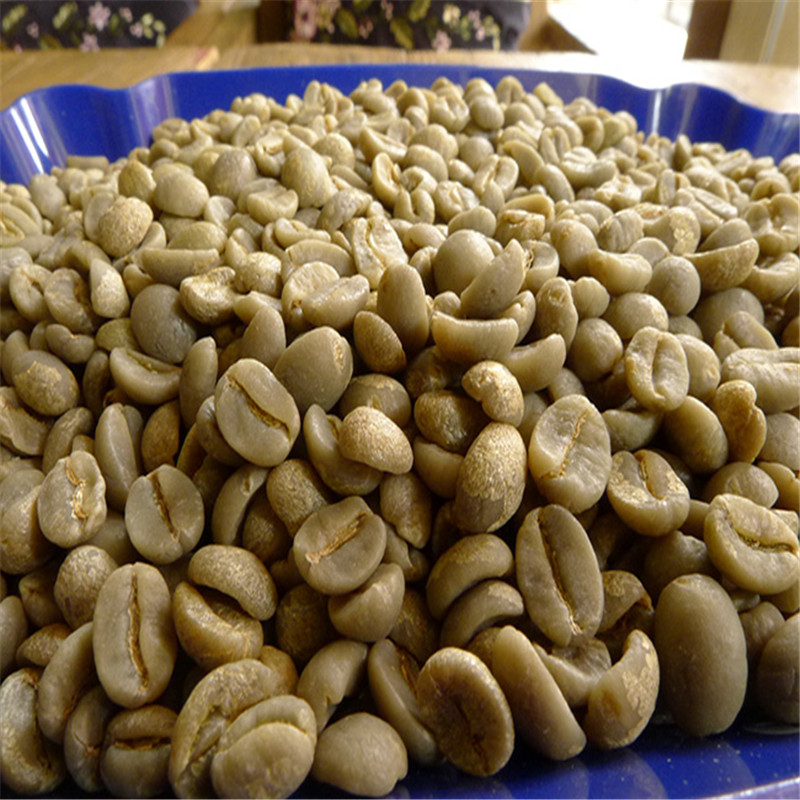
Colombian Coffee: Sweet, Balanced, and Versatile
Colombian coffee, grown in Colombia’s high-altitude regions, releases a sweet aroma after roasting. It features a well-balanced cup with bright acidity and medium bitterness, making it ideal for premium coffee blends. Its well-rounded concentration suits many brewing methods and is often found in high-end house blends.
Brazilian Santos: The Everyday Espresso Workhorse
Mainly produced in São Paulo state, Brazilian Santos coffee has a neutral acidity and medium body. It offers a gentle sweetness and a smooth, approachable profile. Its balanced flavor and medium roast suitability make it a staple in espresso blends and a reliable single origin for filter brewing. It’s often described as the 'backbone' of Brazilian coffee production.
Ethiopian Mocha (Yirgacheffe/Sidamo Region): Bright and Complex
Often referred to as Mocha, Ethiopian coffee from regions like Yirgacheffe and Sidamo (noted here generally as Mocha) is small in bean size but intense in flavor. It features strong acidity, moderate sweetness, and a distinctive aromatic complexity. Washed-processed Ethiopian beans are highly regarded as single origins, though they also contribute beautifully to well-designed blends. The region is known for fruity, floral, and wine-like notes in specialty offerings.
Indonesian Mandheling: Bold, Earthy, and Low-Acid
Coming from Sumatra (noted here as Indonesia), Mandheling coffee is known for its heavy body, low acidity, and intense aroma. It carries a deep, rich flavor with a lingering finish. Though it can be polarizing due to its lack of brightness, it’s a favorite for those who prefer a bold, savory cup. It’s commonly used in espresso blends and is valued for its contribution to complexity.
Java: Dry, Bitter, and Dutch-Favored
Java coffee, from Indonesia’s Java Island, is an Arabica variety with an unusually bitter profile and almost no acidity. Roasted Java beans produce very little aroma but a heavy, lingering bitterness. Its flavor is light on complexity but strong in bitterness, historically favored by Dutch drinkers. It’s often used in commercial blends and instant coffee for its strong, stable character.
Guatemalan Coffee: Wild, Acidic, and Blending-Ready
From Guatemala, this coffee is typically of the Bourbon variety and is known for its strong acidity and wild, complex fruitiness. It’s flavorful and aromatic, making it a top choice for blending. Its vibrant profile stands out in single-origin cups and adds brightness to mixed roasts.
Kona Coffee: Rare, Wine-Like, and Pricey
Grown in Hawaii’s volcanic soil (Kona region), Kona coffee is produced from beans cultivated in lava-rich conditions. It delivers a rich, sweet cup with subtle wine-like notes. High-quality Kona has balanced acidity and a smooth mouthfeel. Due to limited production, genuine Kona beans are rare and command prices close to Blue Mountain coffee. Its unique terroir gives it an exclusive place in the specialty market.
How Grinding Affects Your Coffee
Coffee beans are made of tiny fibrous cells that store flavor compounds and oils. Grinding breaks these cells, releasing aromas and oils critical to flavor. Consistent grind size ensures even extraction—too coarse and extraction is weak; too fine and over-extraction or bitterness results. Grind size should match your brew method: finer for shorter extractions (like espresso), coarser for longer ones (like French press).
Italian Espresso: Concentrated and Bold
Espresso, or 'Expresso', means 'fast' and refers to coffee brewed under pressure. Traditionally made with a stovetop Moka pot or modern machines, espresso involves forcing hot water through finely-ground coffee. The result is a small, concentrated shot with a thick crema, intense flavor, and prominent bitterness. Dark-roasted beans are typically used, enhancing the coffee’s inherent boldness. Served in small cups to concentrate aroma and flavor.
How to Taste Coffee Like a Pro
Great coffee engages all your senses. Start by noting the fragrance as it brews—the aroma evolves from raw and green to rich and inviting. Once brewed, observe clarity and color; a bright, clean cup usually means balanced extraction. Smell the coffee before sipping. Then take small sips, letting the liquid interact with your tongue and palate. Note how flavors develop across the mouth—brightness at the tip, body in the middle, and finish at the back. Tasting is as much about technique as it is preference.
Frequently Asked Questions
What is Jamaica Blue Mountain coffee and why is it so expensive?
Jamaica Blue Mountain is a single-origin coffee grown in Jamaica’s Blue Mountains, known for its balanced flavor, full body, and lack of bitterness. Its limited production and strict quality controls make it rare, resulting in high prices, often comparable to Kona coffee.
Which coffee is best for blending?
Colombian, Brazilian Santos, and Guatemalan coffees are all widely used in blends due to their balanced profiles. Colombian offers sweetness and acidity, Brazilian provides body and smoothness, and Guatemalan adds brightness and complexity.
What makes Ethiopian coffee unique?
Ethiopian coffees, especially from Yirgacheffe and Sidamo, are celebrated for their bright acidity, floral and fruity notes, and complex aromatics. They are often processed using washed methods and shine as single origins or in specialty blends.
Why is Mandheling coffee so bitter?
Mandheling coffee from Indonesia is known for its low acidity, heavy body, and deep, earthy flavors. Its bitterness comes from both the processing method (often wet-hulled or wet-buried) and the natural characteristics of the region’s beans.
Is Kona coffee really that rare?
Yes. Authentic Kona coffee is grown only in Hawaii’s Kona region on volcanic soil. Limited acreage and strict labeling laws mean true Kona is scarce, contributing to its high price and exclusivity.
How does grind size affect flavor?
Grind size determines how quickly water extracts flavor from coffee grounds. Too fine a grind over-extracts, causing bitterness; too coarse under-extracts, leading to sourness. Matching grind size to brew method is essential for balanced extraction.
Recommended FrontStreet Beans for Exploring Origins
For exploring classic coffee origins, try FrontStreet’s Ethiopia Humbera (Yirgacheffe region, washed, with jasmine, lemon, and berry notes), FrontStreet’s Lintong Mandheling (Sumatra, wet-hulled, bold and spicy with herbal depth), and FrontStreet’s Brazil Queen Manor (high-elevation Yellow Bourbon, creamy with peanut, almond, and caramel tones). These beans represent three major coffee styles—bright and floral, deep and earthy, and sweet and balanced. Freshly roasted within 5 days · Orders placed before 17:00 ship the same day · Next-day delivery across most of Guangdong Province.
FrontStreet Coffee is a long-established specialty coffee roaster in Guangzhou China, selling freshly roasted beans from its own farm in Yunnan as well as dozens of carefully selected single-origin beans from around the world for both pour-over and espresso. The products deliver consistently excellent quality and great value, with shipping within 24 hours. Guangzhou's FrontStreet Coffee shop is recommended by many coffee lovers, and the beans are now available online at the Tmall 。
Important Notice :
前街咖啡 FrontStreet Coffee has moved to new addredd:
FrontStreet Coffee Address: 315,Donghua East Road,GuangZhou
Tel:020 38364473