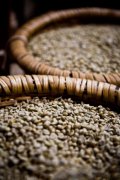
Indonesia’s Most Expensive Coffee: Kopi Luwak Explained
Ever wondered how the world’s most expensive coffee is made—and why anyone would drink something that comes from an animal’s waste? The answer lies in a unique Indonesian tradition that has fascinated foodies and coffee lovers around the globe. This isn’t just a curiosity; it’s a full-blown phenomenon with a taste profile and production method unlike any other.
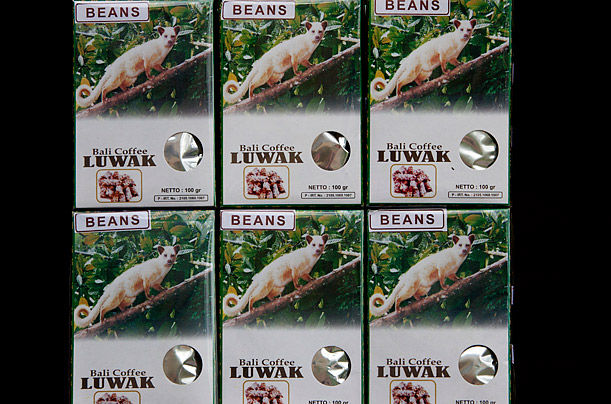
Kopi Luwak, also known as civet coffee, costs over $227 per pound. Its distinct flavor comes from coffee beans eaten and excreted by the Asian palm civet—commonly called the luwak. The digestive process alters the beans in ways that give the final cup a smooth, earthy profile unlike standard brews.
What Is Kopi Luwak and Where Does It Come From?
Kopi Luwak originates in Indonesia, particularly on islands like Java, Sumatra (including Lake Toba’s Lintong region), Bali, Sulawesi, and others. It’s considered a traditional regional specialty. The name “Kopi Luwak” comes from the Indonesian word “kopi” for coffee and “luwak,” the local name for the Asian palm civet. These small, cat-like mammals eat ripe coffee cherries, but can’t fully digest the hard beans inside. The beans pass through their digestive tract, are excreted, and are then collected, cleaned, and roasted.
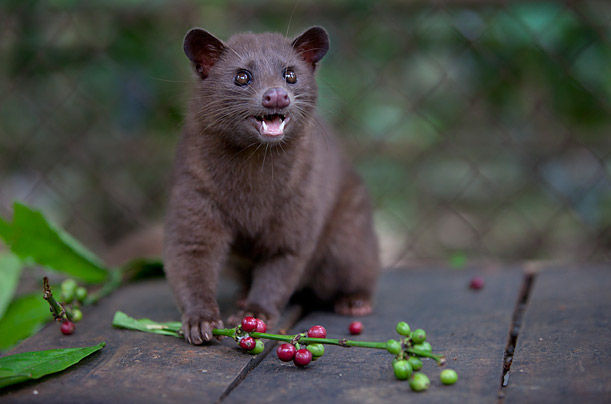
How Civets Create Kopi Luwak’s Unique Flavor
The magic of Kopi Luwak happens during digestion. The civet’s stomach enzymes and gastric acids partially break down the coffee bean’s outer layer without damaging the inner seed. This process is believed to reduce acidity and mellow bitterness while enhancing sweetness and body. What remains is a bean that, once roasted, yields a cup described as smooth, rich, and earthy—with tasting notes often compared to dark chocolate, spice, and even musk or soil.
From Collection to Cup: How Kopi Luwak Is Processed
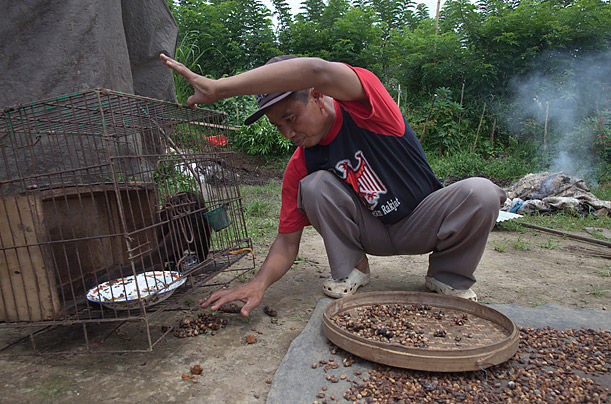
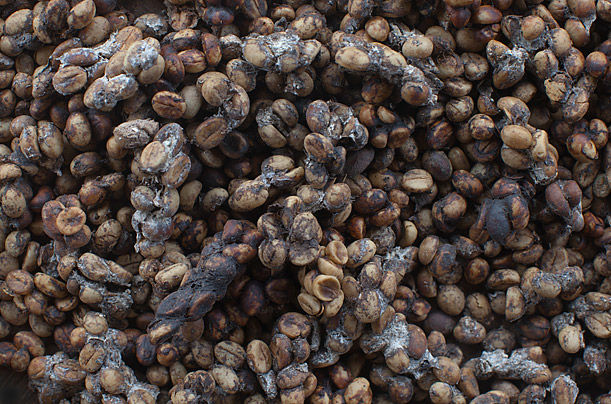
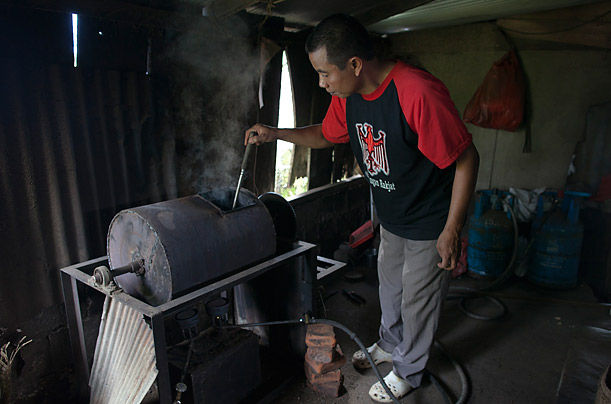
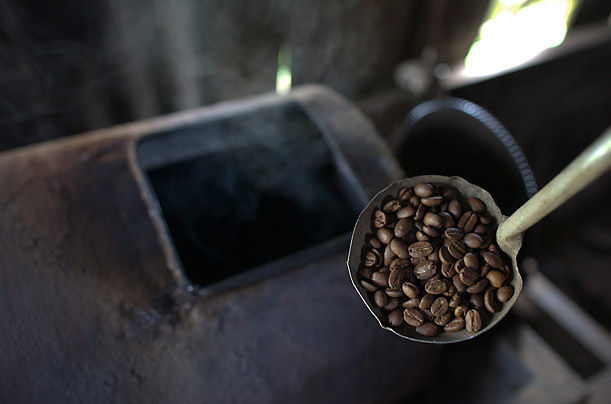
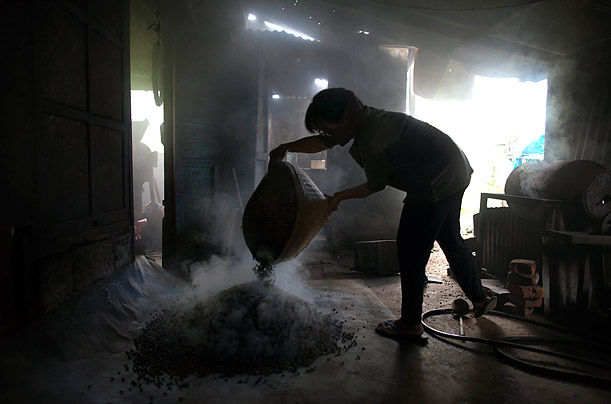
Farmers and collectors gather the civet droppings containing the beans, often from wild or semi-wild animals. In some cases, civets are kept in cages or allowed to roam freely on dedicated islands to ensure a steady supply. The collected beans are separated from the fecal matter, washed thoroughly, and sun-dried. After drying, the beans are lightly roasted—unlike dark-roasted commercial beans—to preserve their unique characteristics. The roast level typically results in beans colored from cinnamon to medium brown.
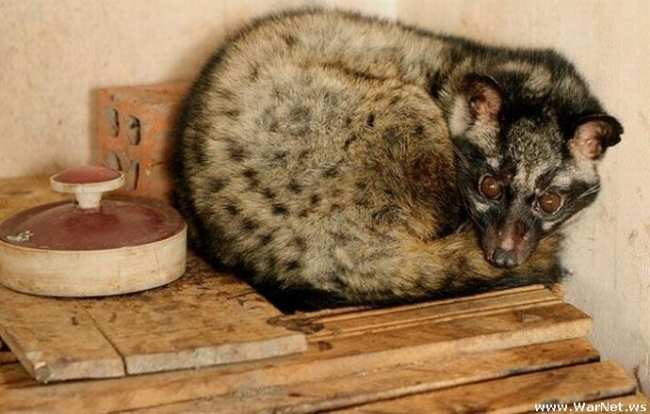
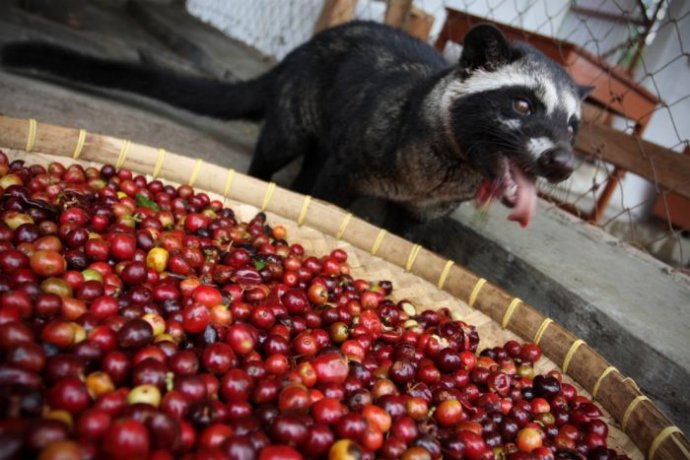
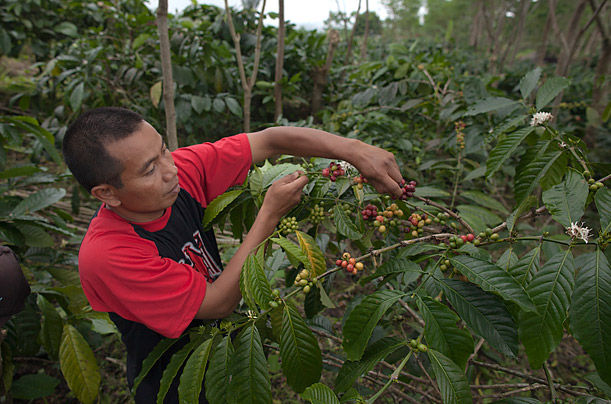
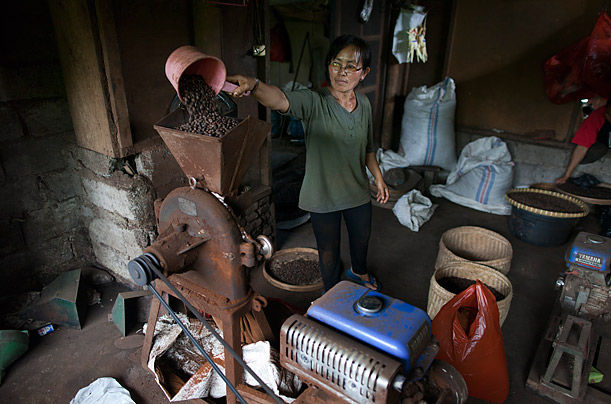
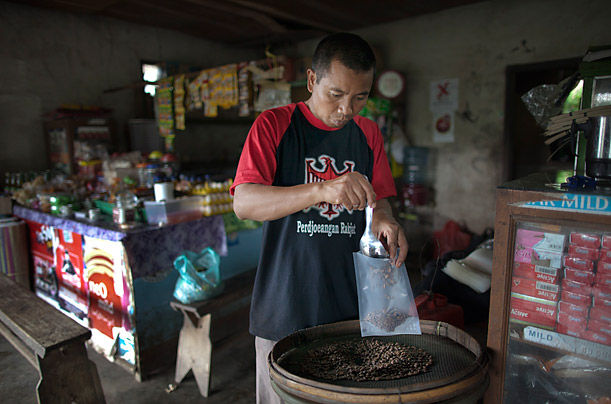
While large-scale production exists, much of the finest Kopi Luwak still comes from small family farms and independent producers. Some operations have built makeshift processing facilities in backyards, reflecting the artisanal roots of this unusual coffee.
Why Is Kopi Luwak So Expensive?
The high price of Kopi Luwak—over $227 per pound—is due to several factors. The rarity of beans processed naturally through a civet’s digestive system limits supply. Labor-intensive collection and cleaning add to the cost. Added to that is the novelty factor and the intrigue around its origin. Japan and South Korea are the top importers, but the coffee has gained attention worldwide among curious enthusiasts and luxury coffee buyers.
What Does Kopi Luwak Taste Like?
Despite its unusual origins, Kopi Luwak is prized for its flavor profile. Most drinkers describe it as mild, smooth, and less bitter than regular coffee. Common tasting notes include black chocolate, earthiness, spice, and sometimes a musky or woody undertone. The light roast helps maintain a delicate balance, resulting in a cup that many find uniquely approachable—even luxurious.
Frequently Asked Questions
What is Kopi Luwak and why is it famous?
Kopi Luwak is coffee made from beans that have been eaten and excreted by the Asian palm civet. It’s famous for its unique production process and high price, often exceeding $227 per pound, as well as its smooth, earthy flavor profile that includes notes of dark chocolate and spice.
Where does Kopi Luwak come from?
Kopi Luwak originates in Indonesia, especially on islands such as Java, Sumatra (including the Lake Toba area), Bali, and Sulawesi. It’s a traditional product in those regions and is linked to local civet populations that feed on coffee cherries.
How are Kopi Luwak beans processed?
Civets eat ripe coffee cherries, digest the fruit pulp, and excrete the beans. Farmers collect the droppings, clean the beans, sun-dry them, and then lightly roast them. The beans typically roast to a cinnamon or medium brown color and are not heavily roasted to preserve their distinct qualities.
Why is Kopi Luwak so expensive?
The high cost is due to limited supply, the labor involved in collecting and processing civet droppings, and the novelty of the coffee’s origin. Its reputation and the intrigue around how it’s made also contribute to the premium price, especially in markets like Japan and South Korea.
What does Kopi Luwak taste like?
Kopi Luwak is known for a smooth, mild cup with low acidity. Tasters often note flavors of black chocolate, earth, spice, and sometimes a musky or woody note. The light roast enhances its gentle and nuanced profile.
Is Kopi Luwak still produced on a small scale?
Yes, much of the best Kopi Luwak comes from small farms and family operations. While commercial production exists, many high-quality beans are still collected and processed by hand in traditional ways, including sun-drying and small-batch roasting.
Recommended FrontStreet Beans for Kopi Luwak Fans
If you’re drawn to the earthy, spicy complexity of Kopi Luwak, try FrontStreet’s Lintong Mandheling, grown at 1400–1600 meters in North Sumatra. It offers herbal, woody, and dark chocolate notes with a sweet finish. For a brighter yet still full-bodied option, the PWN Golden Mandheling delivers toast, caramel, and cocoa with a thick, syrupy body and long-lasting caramel sweetness. Both beans share the volcanic soil and high-altitude traits typical of Indonesia’s best coffees. Freshly roasted within 5 days · Orders placed before 17:00 ship the same day · Next-day delivery across most of Guangdong Province.
FrontStreet Coffee is a long-established specialty coffee roaster in Guangzhou China, selling freshly roasted beans from its own farm in Yunnan as well as dozens of carefully selected single-origin beans from around the world for both pour-over and espresso. The products deliver consistently excellent quality and great value, with shipping within 24 hours. Guangzhou's FrontStreet Coffee shop is recommended by many coffee lovers, and the beans are now available online at the Tmall 。
Important Notice :
前街咖啡 FrontStreet Coffee has moved to new addredd:
FrontStreet Coffee Address: 315,Donghua East Road,GuangZhou
Tel:020 38364473