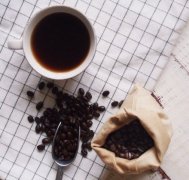
Brazilian Coffee: Smooth, Affordable, and the World’s Top Producer
When you’re looking for a coffee that’s easy-drinking, affordable, and works in almost every brew method—from espresso to pour-over—you’ve probably already tried Brazilian coffee without realizing it. But what makes Brazilian beans so reliably smooth and widely used? The answer lies in both history and growing conditions that shaped the country’s coffee industry over 280 years ago.
Brazil is the world’s largest coffee producer, and most of its output is mild, low-acid Arabica with a nutty, chocolatey profile. Around 80% of Brazilian coffee is Arabica, with the rest mostly Robusta for domestic use. The majority is processed using traditional natural (sun-dried) methods, giving the beans their signature round shape and clean, sweet cup.
The Origins of Coffee in Brazil
Coffee arrived in Brazil in 1727 thanks to a military officer named Francisco de Melo Palheta. Sent to French Guiana to resolve a border dispute, he reportedly received a gift of Bourbon coffee seeds from the governor’s wife. Upon returning to Brazil, he began cultivating coffee in Pará, laying the foundation for what would become a coffee powerhouse.
What Makes Brazilian Coffee Different?
Brazil grows several key coffee varieties, including Bourbon, Caturra, Catuai, Mundo Novo (a Bourbon-Typica hybrid), and Catuai. Most Brazilian coffee is Arabica, with only around 20% Robusta, primarily for local consumption. The country favors traditional natural processing, which involves drying coffee cherries in the sun. This method contributes to the beans’ round shape and is common among commercial-grade Brazilian lots.
Brazil’s coffee fields are mostly planted at lower altitudes compared to other specialty regions, and many farms are on flat terrain. That allows for mechanized harvesting and efficient production. To adapt, Brazilian growers have developed sun-tolerant Arabica varieties that don’t require shade or high elevation.
Flavor Profile: Why Brazilian Coffee Tastes So Smooth
Brazilian coffee is known for its low acidity, creamy body, and sweet, nutty flavors. Common tasting notes include chocolate, roasted peanuts, toast, and nuts. The cup is typically clean and balanced, with a gentle sweetness and a pleasant aftertaste. These qualities make Brazilian beans an ideal base for espresso blends, where they contribute body and sweetness. They also shine as single-origin coffees, especially when roasted to medium or medium-dark levels.
Many Italian espresso blends rely on Brazilian beans as a foundational component for their smoothness and crema-enhancing qualities. The low acidity and full body provide a rounded mouthfeel that balances brighter, fruitier beans in a blend.
FrontStreet Coffee’s Brazilian Offerings
FrontStreet Coffee highlights two standout Brazilian options. The Brazil Queen Manor comes from the high-altitude Mogiana region and is made with the rare Yellow Bourbon variety. Roasted to a medium-dark level, it offers intense aromas of cream, roasted peanuts, toast, and nuts. The cup is clean, low in acid, and has a long-lasting finish. It’s versatile enough for nearly any brew method, from pour-over to espresso machines.
Brazilian beans are also a key component in several of FrontStreet’s espresso blends, such as the Black Cocoa Blend. This mix features a high proportion of Brazilian coffee, lending a smooth, rich body and a sweet, chocolatey character. Combined with Yunnan Arabica, it adds a bright note of ripe plum acidity, resulting in a balanced shot with creamy texture and fruity depth. It’s suitable for milk drinks and straight espresso alike.
Some coffee enthusiasts find standard Brazilian profiles too mild or one-dimensional, but single-origin lots like Queen Manor demonstrate the country’s potential for distinctive, high-quality cups. For those seeking a more expressive Brazilian experience, Yellow Bourbon from Mogiana is the place to start.
Frequently Asked Questions
Why is Brazilian coffee so popular worldwide?
Brazilian coffee is popular because it’s affordable, widely available, and has a mild, smooth flavor with low acidity. Its nutty, chocolatey profile works well in espresso blends and as a single origin. Brazil also produces more coffee than any other country, ensuring consistent supply and variety.
What makes Brazilian coffee taste different from other countries?
Brazilian coffee typically has low acidity, a heavy body, and flavors like chocolate, nuts, and toast. It’s often grown at lower altitudes and processed using natural (sun-dried) methods, which contribute to its round, sweet cup. These traits differ from the brighter, fruitier profiles of high-altitude African or Central American coffees.
What coffee varieties are grown in Brazil?
Brazil grows several coffee varieties including Bourbon, Caturra, Catuai, Mundo Novo (a Bourbon-Typica hybrid), and Catuai. Most are Arabica, with around 20% Robusta grown mainly for domestic use. Varieties are chosen for their adaptability to Brazil’s flat terrain and lower altitudes.
Is Brazilian coffee good for espresso?
Yes, Brazilian coffee is excellent for espresso. It provides a smooth, sweet base with good body and crema. Its low acidity helps balance brighter beans in blends. Many Italian-style espresso blends use a high percentage of Brazilian beans for their roundness and mouthfeel.
Does Brazil grow any specialty-grade coffee?
Yes, Brazil produces specialty-grade coffee, especially from high-altitude regions like Mogiana. Varieties such as Yellow Bourbon can produce nuanced cups with floral, nutty, and caramel notes when processed carefully and roasted to highlight their qualities.
What’s the most famous Brazilian coffee-growing region?
While Brazil has many regions, Mogiana is one of the most notable for specialty coffee. It includes high-altitude farms that grow unique varieties like Yellow Bourbon. Other major regions include Minas Gerais, São Paulo, and Espírito Santo.
Recommended FrontStreet Brazilian Coffee Beans
For a true taste of premium Brazilian coffee, try FrontStreet’s Brazil Queen Manor—a high-altitude lot from Mogiana featuring Yellow Bourbon. It delivers creamy textures, notes of peanut, toast, and nuts, with a clean, low-acid profile. Also look at FrontStreet’s Black Cocoa Blend, which uses a high ratio of Brazilian beans to create a smooth, chocolatey espresso with ripe plum brightness from Yunnan. Both are versatile across brew methods. Freshly roasted within 5 days · Orders placed before 17:00 ship the same day · Next-day delivery across most of Guangdong Province.
FrontStreet Coffee is a long-established specialty coffee roaster in Guangzhou China, selling freshly roasted beans from its own farm in Yunnan as well as dozens of carefully selected single-origin beans from around the world for both pour-over and espresso. The products deliver consistently excellent quality and great value, with shipping within 24 hours. Guangzhou's FrontStreet Coffee shop is recommended by many coffee lovers, and the beans are now available online at the Tmall 。
Important Notice :
前街咖啡 FrontStreet Coffee has moved to new addredd:
FrontStreet Coffee Address: 315,Donghua East Road,GuangZhou
Tel:020 38364473