How to Order Coffee in Southeast Asia Like a Local
Step into any old-school coffee shop in Singapore, Malaysia, or Vietnam, and you might find yourself staring blankly at the menu. Words like 'Kopi O' and 'Kopi C' dominate the chalkboards—not espresso or cappuccino—but these are the real local staples. If you’ve ever felt lost trying to order a simple coffee in Southeast Asia, you’re not alone.
Here’s the quick answer: 'Kopi' means coffee, 'O' means black with sugar, 'C' means with evaporated milk, and 'Kopi Tarik' is 'pulled' coffee with foam. That’s the basics of decoding the most common coffee orders across the region.
The Origins of Kopitiam Culture
The word 'Kopitiam' is a direct transliteration from the Hokkien Chinese phrase for 'coffee shop.' These establishments aren’t just places to drink coffee—they’re cultural institutions with roots going back to the early 1900s. According to K.F. Seetoh, founder of Singapore’s Makansutra food guide, many of the first coffee shops in Singapore and Malaysia were opened by early Chinese migrants, particularly from Hainan province. These immigrants, often late to arrive compared to others, found their niche in the food and beverage trade. They brought with them not only Chinese cooking techniques but also exposure to British shipboard culinary practices, which helped shape the local coffeehouse experience.
Unlike upscale cafés, traditional Kopitiams were modest spots offering inexpensive breakfasts and strong, locally roasted coffee. Many, like the century-old Chin Mee Chin Confectionery in Singapore’s East Coast, still operate without air conditioning and serve food much as they did decades ago. A typical breakfast might include a cup of coffee or tea, a half-boiled egg served with soy sauce and pepper, and kaya toast—a slice of bread slathered with coconut jam and butter.
How Southeast Asian Coffee Is Actually Made
Southeast Asia’s distinctive coffee style is the result of both colonial influence and local adaptation. The tradition of drinking coffee here was heavily shaped by European colonization, which introduced coffee as a colonial commodity. But it was the local Chinese-Malay coffee vendors who crafted the unique preparation methods that define the region today.
The coffee beans are typically roasted with butter, sugar, and sometimes corn—ingredients that add body and a faint sweetness to balance the bold, often bitter flavors of the robusta beans commonly grown in the region. Formerly, some roasters even used lard, though that practice has since been abandoned. The roasted beans are then ground and brewed through a long cotton or muslin sock filter, similar in function to a reusable cloth pour-over or a traditional metal filter. These filters, often referred to as 'coffee socks,' develop a deep coffee flavor over time, though they are regularly rinsed and reused.
To prepare a standard cup, hot water is poured through the sock-filtered coffee grounds directly into a cup that already contains sweetened condensed milk, evaporated milk, or sugar—or a combination thereof—resulting in a rich, bold brew. This method delivers a strong, creamy coffee that stands up well to the tropical climate and pairs perfectly with a plate of kaya toast or soft-boiled eggs.
Decoding the Kopi Menu: A Glossary of Local Terms
Ordering coffee in Southeast Asia involves learning a handful of essential terms, most of which are derived from Hokkien, Malay, or Tamil:
- Kopi: The base term for coffee, usually with sweetened condensed milk and sugar.
- Kopi O: Black coffee with sugar ('O' comes from the Hokkien word for 'black').
- Kopi O Kosong: Black coffee with no sugar or milk ('Kosong' is Malay for 'zero' or 'none').
- Kopi C: Coffee with evaporated milk and sugar; the 'C' refers to Carnation brand milk, though other brands may be used.
- Kopi Siutai: Coffee with less sugar.
- Kopi Kosong: Black coffee with no sugar or milk.
- Kopi Tarik: 'Pulled' coffee, where the brewed coffee is poured back and forth between cups to create foam and cool the drink slightly. This method is also used to make a local variant called Kopiccino, mimicking the look of a cappuccino.
For tea drinkers, the same sugar and milk modifiers apply. For example, 'Teh C Peng Siutai' translates to iced tea with evaporated milk and a small amount of sugar—'Teh' is tea, 'C' is evaporated milk, 'Peng' means iced, and 'Siutai' means less sugar.
Why Robusta Dominates and How Milk Choices Adapt
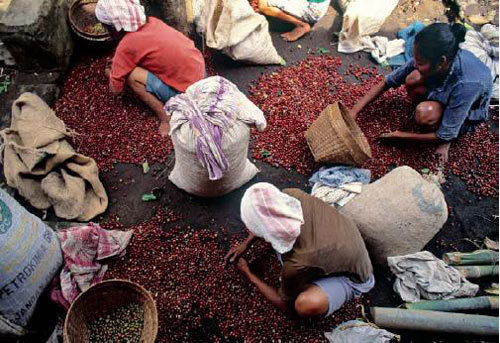
The preference for certain brewing styles and milk types in Southeast Asia is closely tied to the types of coffee beans commonly grown and consumed in the region. Due to the climate and historical agricultural patterns, robusta beans—known for their strong, bitter flavor and higher caffeine content—are more prevalent than arabica. To counterbalance the intense, sometimes harsh taste of robusta, local coffee culture relies heavily on sweetened condensed milk and buttery, roasted flavors in the beans themselves.
Evaporated milk brands like Carnation were once ubiquitous, but many modern shops have moved on to other options. Regardless, the use of thick, sweet milk helps mellow the robust profile and creates the signature bold, creamy cup that locals love. This pragmatic approach to flavor balancing reflects the region’s broader culinary philosophy: make it rich, make it strong, and make it enjoyable in the heat.
Frequently Asked Questions
What does 'Kopi' mean in Southeast Asia?
'Kopi' is the word for coffee across Singapore, Malaysia, and parts of Southeast Asia, derived from the Hokkien Chinese pronunciation. It generally refers to a locally prepared style of coffee, often made with robusta beans and brewed strong.
What is the difference between Kopi O and Kopi C?
'Kopi O' is black coffee with sugar, where 'O' stands for 'black' in Hokkien. 'Kopi C' is coffee with evaporated milk and sugar—the 'C' originally referred to the Carnation brand of evaporated milk, though the term persists even if other brands are used.
What is Kopi Tarik?
'Kopi Tarik' is coffee that is 'pulled' or poured back and forth between two cups to create a layer of foam and slightly reduce the temperature. The process gives the coffee a creamy texture and is similar in presentation to a cappuccino, leading to local variations like 'Kopiccino.'
Why is robusta coffee more common in Southeast Asia?
Robusta thrives better in the tropical climates of Southeast Asia and is more resistant to pests and disease. Though it has a stronger, more bitter flavor than arabica, it is often preferred locally and balanced with sweetened condensed milk and buttery roasting techniques.
What is a Kopitiam?
A 'Kopitiam' is a traditional coffee shop found in Singapore and Malaysia, derived from the Hokkien words for 'coffee' and 'shop.' These casual eateries serve affordable meals, local coffee, and tea, and have been central to the social and cultural life of the region for over a century.
Recommended FrontStreet Beans for Southeast Asian Coffee Fans
If you enjoy the bold, hearty character of Southeast Asian-style coffee, try FrontStreet's Lintong Mandheling, a PWN-certified Indonesian single origin with deep notes of herbs, spice, and caramelized toast. For something closer to home, our 2013 Yunnan Arabica offers smooth chocolate and nutty tones with a balanced medium roast—great for exploring regional coffee identities without leaving your cup. Both are roasted to complement the heavier profiles reminiscent of traditional Southeast Asian brews. Freshly roasted within 5 days · Orders placed before 17:00 ship the same day · Next-day delivery across most of Guangdong Province.
FrontStreet Coffee is a long-established specialty coffee roaster in Guangzhou China, selling freshly roasted beans from its own farm in Yunnan as well as dozens of carefully selected single-origin beans from around the world for both pour-over and espresso. The products deliver consistently excellent quality and great value, with shipping within 24 hours. Guangzhou's FrontStreet Coffee shop is recommended by many coffee lovers, and the beans are now available online at the Tmall 。
Important Notice :
前街咖啡 FrontStreet Coffee has moved to new addredd:
FrontStreet Coffee Address: 315,Donghua East Road,GuangZhou
Tel:020 38364473