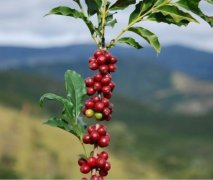
Macro Photos of Specialty Coffee Beans Up Close
If you’ve ever wondered what top-tier specialty coffee beans actually look like up close—beyond the glossy marketing shots—you’re not alone. These aren’t stock photos. They’re extreme close-ups of green coffee beans that reveal texture, density, and origin traits you can’t see with the naked eye. Whether you roast your own or just want to know what quality looks like before brewing, these images show the physical differences between beans grown thousands of miles apart.
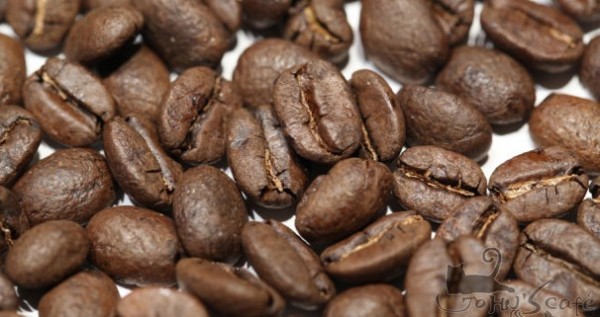
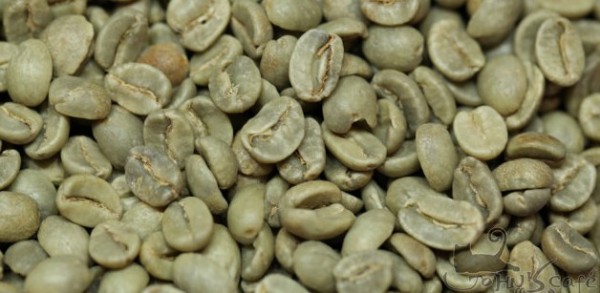
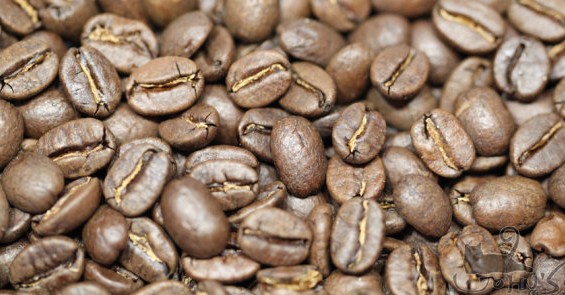
In this visual guide, we present macro photography of three single-origin specialty green coffee beans: Brazilian Yellow Bourbon, Nepalese Syanja, and Colombian Narino. Each image highlights unique surface details, shape consistency, and density cues that experienced roasters and buyers use to assess quality before roasting.
Brazilian Yellow Bourbon Coffee Beans
The first image shows Brazilian Yellow Bourbon beans, a classic cultivar grown at altitude in Brazil’s well-known coffee regions. Yellow Bourbon is known for its balanced cup profile and is often used in both single-origin offerings and espresso blends. In the macro shot
Nepalese Syanja Coffee Beans
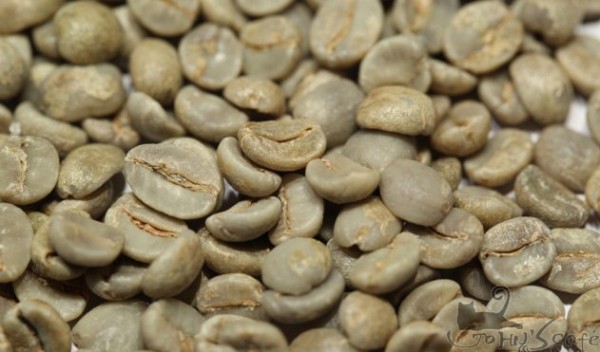
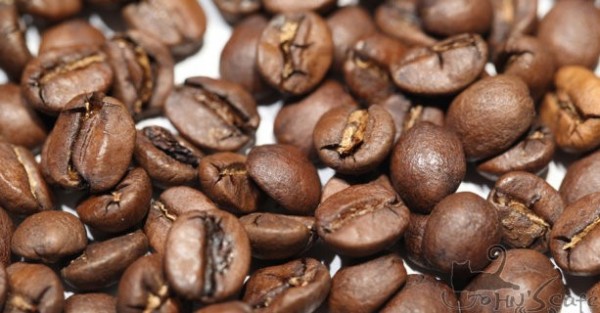
The second set of images features green coffee beans from Syanja, Nepal—a rare origin nestled in the foothills of the Himalayas. These beans [[IMG2], [IMG3]] display a slightly irregular shape and a more rugged surface texture compared to their South American counterparts. The visual clues here suggest a denser bean, common at higher elevations, with potential for bright acidity and floral complexity once roasted. Nepalese coffees are still emerging on the global stage, but beans from Syanja have shown promising cup qualities in recent years.
Colombian Narino Coffee Beans
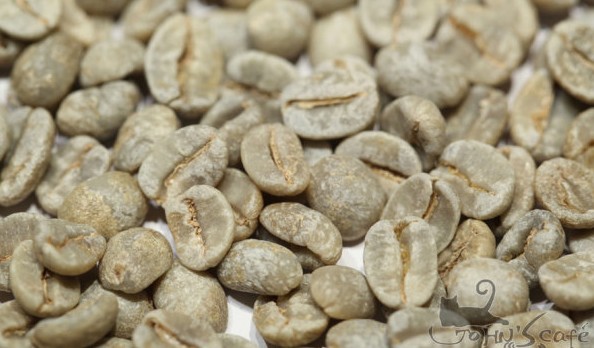
Lastly, the Colombian Narino beans [[IMG4], [IMG5], [IMG6]] reveal the refined uniformity expected from high-altitude Colombian coffees. Grown in the Narino region, these beans typically develop complex sugar browning tones during roasting. The macro image shows a very even size, a slightly rounded tip, and a clean surface—visual indicators of careful harvesting and processing. Colombian Narino coffees are often associated with bright acidity, caramel sweetness, and notes of red fruit when brewed as pour-over or espresso.
Why Bean Appearance Matters in Specialty Coffee
In the specialty coffee trade, green bean appearance isn’t just about aesthetics—it’s a key indicator of quality control, origin, and processing consistency. Factors like size uniformity, surface texture, and color help roasters predict how beans will behave during roasting. For instance, a flatter, less dense bean may roast faster than a denser, rounder one. These visual cues help professionals select beans that will deliver a desired flavor profile and avoid defects that could spoil the cup.
How to Use Macro Images When Buying Green Coffee
If you’re sourcing green coffee—whether for home roasting or small-batch blending—macro images are a valuable tool. Look for uniform size, minimal defects (like black or broken beans), and consistent color. Surface smoothness often indicates proper drying, while slight irregularities might suggest high-altitude growth or unique processing. While you can’t taste from a photo, these visuals give you a reliable first impression of bean quality before you buy.
Frequently Asked Questions
What can you tell from a coffee bean’s macro photo?
Macro photos reveal details like bean size, shape, color, surface texture, and density—key indicators of origin, processing method, and potential flavor profile. Uniformity suggests careful harvesting and sorting, while surface irregularities might hint at altitude or fermentation traits.
Why do Brazilian Yellow Bourbon beans look smoother in macro images?
Brazilian Yellow Bourbon beans are typically grown at moderate altitudes and processed with consistent methods that result in a smoother, more uniform surface. Their medium density also contributes to a cleaner, less rugged appearance in macro photography.
Do Nepalese coffee beans really look different?
Yes. Nepalese beans, such as those from Syanja, often have a slightly rougher surface and more irregular shape due to high-altitude growing conditions and unique microclimates. These traits can translate into brighter acidity and floral notes when brewed.
How does Colombian Narino coffee appear compared to others?
Colombian Narino beans usually feature a very uniform shape, smooth surface, and consistent color due to careful cultivation and processing at high elevations. Their appearance often signals a well-prepared bean ready for profiles like bright pour-over or balanced espresso.
Are macro images enough to judge coffee quality?
Not alone—they’re a strong starting point. Macro images help assess physical traits, but full quality evaluation also requires cupping notes, origin details, and processing information. Use them alongside descriptions and reviews for best results.
Recommended FrontStreet Beans for Macro Enthusiasts
Explore single-origin FrontStreet beans that match the origins in this article. Try FrontStreet Brazil Yellow Bourbon from the high-altitude São Paulo region, offering sweet, nutty notes ideal for medium roast. For something rare and high-grown, FrontStreet Colombia Narino features bright acidity with red fruit and caramel—grown in the Narino region at over 1,800 meters. Also consider FrontStreet Nepal Syanja for a unique Himalayan lot with delicate florals and crisp brightness. All three are sourced as premium single-origin greens. Freshly roasted within 5 days · Orders placed before 17:00 ship the same day · Next-day delivery across most of Guangdong Province.
FrontStreet Coffee is a long-established specialty coffee roaster in Guangzhou China, selling freshly roasted beans from its own farm in Yunnan as well as dozens of carefully selected single-origin beans from around the world for both pour-over and espresso. The products deliver consistently excellent quality and great value, with shipping within 24 hours. Guangzhou's FrontStreet Coffee shop is recommended by many coffee lovers, and the beans are now available online at the Tmall 。
Important Notice :
前街咖啡 FrontStreet Coffee has moved to new addredd:
FrontStreet Coffee Address: 315,Donghua East Road,GuangZhou
Tel:020 38364473