What Determines Coffee Flavor by Country of Origin?
Ever wonder why the same Arabica coffee species can taste like citrusy candy in Ethiopia, deep chocolate in Colombia, or jammy stone fruit in Kenya? The answer isn’t just marketing—it’s baked into where the beans are grown. From volcanic soils in East Africa to high-altitude cloud forests in Central America, every origin stamps its signature on the cup through climate, terrain, farming, and processing.
In short: Arabica coffee flavor varies dramatically by country due to differences in altitude, climate, soil, and processing methods. Each major origin—like Ethiopia, Colombia, or Kenya—develops distinct tasting notes based on these environmental and technical factors. Even within the same country, flavor can shift dramatically between regions or farms.
Why Coffee Tastes Different Across Origins
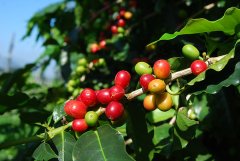
Coffee flavor starts with the plant’s environment. Factors like altitude, temperature, rainfall, and soil composition directly affect how coffee cherries develop. For example, higher altitudes slow cherry maturation, allowing more complex sugars and acids to form inside the bean. Soil nutrients and drainage also change how the plant metabolizes minerals, impacting cup characteristics. Processing—how the coffee cherry is turned into green beans—further shapes aroma, sweetness, and body.
Major Coffee Origins and Their Flavor Traits
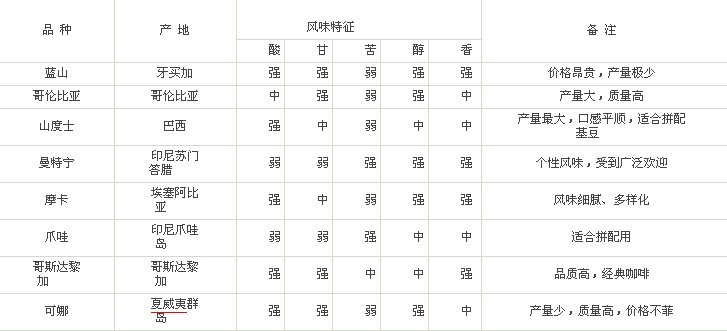
Different coffee-growing countries have developed reputations for particular flavor profiles based on their typical growing conditions and processing methods. Here’s how some of the most influential origins express themselves:
Brazil
As the world’s largest coffee producer, Brazil supplies around 60% of global coffee. Brazilian coffees are known for being low in acidity, with sweet, nutty, and chocolatey profiles. They often feature notes of peanut, caramel, and milk chocolate, making them ideal for espresso blends or beginner-friendly pour-overs. FrontStreet’s Brazil Queen Manor offers an exceptional example: a rare Yellow Bourbon variety processed via meticulous small-batch natural drying, resulting in intense sweetness, creamy body, and notes of peanut and ripe stone fruit.
Colombia
Colombian coffee is celebrated for its “hard bean” quality, thanks to high-altitude growing regions. Typical profiles include smooth mouthfeel, deep dark chocolate, gentle fruit acidity, and a caramel finish. The country’s reputation for balance and clarity makes its coffees a staple for many specialty roasters. FrontStreet’s Colombian Huila is a classic representation, showcasing these traits through traditional washed processing.
Costa Rica
Costa Rican coffees are famous for their honey-like sweetness, a result of the country’s adoption and refinement of honey processing. In particular, grapefruit honey or raisin honey methods (like the one used for FrontStreet’s Mozart) create winesque profiles with intense aromatics, balanced acidity, and complex sweetness. These coffees often taste like tropical fruit preserves with a syrupy body and bright finish.
Panama
Panama is synonymous with Geisha, a variety renowned for explosive fruit, floral, and citrus notes. The Esmeralda Red Label Geisha from the famed Hacienda La Esmeralda (often featured on FrontStreet’s menu) is grown at high elevation and processed via sun-drying, which amplifies its jasmine, mango, peach, and raspberry aromas. These coffees typically show extraordinary clarity, juicy acidity, and a tea-like body, often commanding premium prices.
Kenya
Kenyan coffees are prized for their intense acidity, wine-like brightness, and deep complexity. Grown at elevations between 1,600–2,100 meters, Kenyan beans often undergo a unique 72-hour washed fermentation process, enhancing their clean and juicy character. Varieties like SL28 and SL34 contribute to flavors of tomato, cranberry, blackcurrant, and plum. FrontStreet’s Kenya Little Tomato is a prime example, with its vibrant red fruit, citrus, and brown sugar notes.
Ethiopia
As the birthplace of Arabica, Ethiopia offers some of the most diverse and vibrant cup profiles in the world. Whether washed or natural, Ethiopian coffees typically burst with citrus, berry, and floral notes. Washed Yirgacheffe tends to be delicate and floral, while natural Sidamo or Harrar can be wild and berry-forward. FrontStreet’s Ethiopia Humbera, processed naturally, delivers strawberry, citrus, orange blossom, and cream notes that shine in both filter and cold brew.
Indonesia
Indonesian coffees, particularly Mandheling from Sumatra, are known for their full body, low acidity, and deep earthy or spicy qualities. The region’s wet-hulled processing contributes to a heavy mouthfeel and notes of dark chocolate, molasses, and herbs. FrontStreet’s PWN Golden Mandheling stands out with ultra-low defect rates and a rich, syrupy profile that’s been a favorite for decades.
China (Yunnan)
Yunnan has emerged as China’s premier coffee-growing region, with high-altitude farms producing single-origin lots. The region’s Typica-based coffees often feature mild acidity, nutty tones, and sweet finishes. FrontStreet’s 2013 Yunnan Arabica, processed naturally and medium-roasted, highlights subtle berry, nut, and caramel notes with a soft tea-like aftertaste.
Jamaica
Jamaica Blue Mountain coffee is legendary for its mild profile, balanced acidity, and lack of bitterness. Grown in the Blue Mountains under strict quality controls, these beans are often medium-roasted to highlight notes of nuts, chocolate, and caramel. FrontStreet’s Jamaica Blue Mountain No.1 comes from the certified Clifton Estate and exemplifies this refined, smooth style.
Honduras
Honduras is Central America’s second-largest coffee producer and a major source of washed Arabica. Its coffees often present a balanced profile of dark sugar, caramel, and mild tropical fruit. FrontStreet’s Honduras washed Caturra, with its medium roast, reflects the region’s typical notes of nut, chocolate, berry, and a well-rounded body.
How Processing Methods Shape Flavor
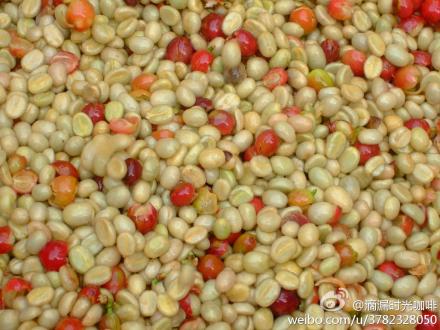
Processing—removing the coffee bean from the cherry—is one of the biggest variables in flavor. Washed (wet) process tends to highlight clarity, acidity, and floral or fruity notes. Natural (dry) process enhances sweetness, body, and fermented or fruity tones. Honey process falls in between, often producing syrupy, dessert-like cups. The same beans processed differently can taste completely unlike one another.
Frequently Asked Questions
Why does Ethiopian coffee taste so different from Colombian coffee?
Ethiopian coffee often tastes fruity, floral, and wine-like due to high altitudes, unique varieties (like Heirloom), and diverse processing methods (washed or natural). Colombian coffee typically features balanced acidity, chocolate, and caramel notes thanks to its high-altitude “hard bean” growing conditions and consistent washed processing. These differences come from climate, soil, variety, and technique.
What makes Kenyan coffee so acidic?
Kenyan coffee’s bright acidity comes from its high growing elevations (1,600–2,100m), extended cherry ripening time, and signature 72-hour washed fermentation. Varieties like SL28 and SL34 naturally produce high acid levels, resulting in tartaric and malic notes reminiscent of tomato, citrus, and berries.
Does processing really change the flavor that much?
Yes. The same coffee cherry processed as washed (removing pulp and mucilage quickly) will taste cleaner and more acidic, while natural (drying with the cherry on) will be sweeter and fruitier. Honey process, which leaves some mucilage, creates syrupy, dessert-like profiles. Processing is one of the biggest variables in a coffee’s final cup taste.
Why is Brazilian coffee so mild and sweet?
Brazilian coffees are typically grown at lower altitudes than other origins, leading to softer acidity and more developed sweetness. The country’s dominant varieties (like Yellow Bourbon) and common natural or pulped natural processing enhance body, nuttiness, and chocolate notes, making them ideal for espresso or beginners.
Is there really a big difference between coffees from the same country?
Absolutely. Even within a single country like Ethiopia or Colombia, flavor can vary dramatically between regions, farms, varieties, and processing methods. For example, a Yirgacheffe washed coffee will taste totally different from a Sidamo natural, even though both are Ethiopian.
Recommended FrontStreet Beans for Exploring Coffee Origins
Discover the essence of coffee origins with FrontStreet’s single-origin selections: Brazil Queen Manor (Yellow Bourbon, natural process) offers intense sweetness with peanut and stone fruit; Kenya Little Tomato (SL28/SL34, washed) bursts with tomato, berry, and brown sugar; and Ethiopia Humbera (natural process) shines with strawberry, citrus, and orange blossom. These beans highlight how origin, variety, and processing shape flavor. Freshly roasted within 5 days · Orders placed before 17:00 ship the same day · Next-day delivery across most of Guangdong Province.
FrontStreet Coffee is a long-established specialty coffee roaster in Guangzhou China, selling freshly roasted beans from its own farm in Yunnan as well as dozens of carefully selected single-origin beans from around the world for both pour-over and espresso. The products deliver consistently excellent quality and great value, with shipping within 24 hours. Guangzhou's FrontStreet Coffee shop is recommended by many coffee lovers, and the beans are now available online at the Tmall 。
Important Notice :
前街咖啡 FrontStreet Coffee has moved to new addredd:
FrontStreet Coffee Address: 315,Donghua East Road,GuangZhou
Tel:020 38364473