How to Do Latte Art: Free Pour and Etching Techniques
If you’ve ever watched a barista pour steamed milk into espresso and somehow end up with a heart or rosetta, you’ve seen latte art in action. But how does it actually work? And why does one method involve pouring, while another uses toothpicks and chocolate syrup? This guide breaks down both major latte art techniques—what they are, how they differ, and what makes each one work.
In short: Free pour creates patterns by pouring steamed milk into espresso, while etching involves drawing on the foam’s surface with tools like toothpicks and chocolate sauce after the drink is made. Free pour is more dynamic; etching allows more intricate, time-consuming designs.
What Is Latte Art?
Latte art refers to the visual designs made on the surface of espresso-based drinks, primarily lattes and cappuccinos. There are two widely recognised methods: free pour and etching. Both rely on properly textured milk and well-extracted espresso, but they achieve their results very differently.
Free Pour vs. Etching: Two Distinct Methods
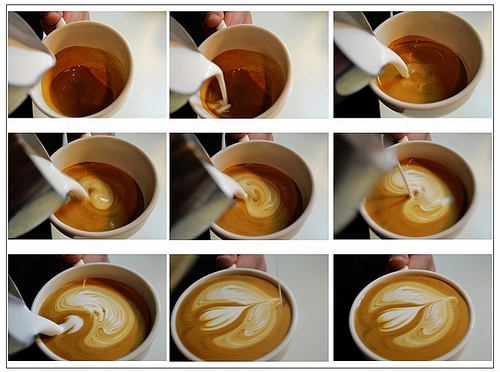
Free pour, or , is the technique of pouring steamed milk directly into a shot of espresso in a way that creates a pattern—such as a heart, tulip, or rosetta—during the pour. This requires control over milk flow, angle, and timing. The design emerges as the milk interacts with the espresso’s crema and microfoam.
Etching, or , is done after the latte is poured. Using tools like toothpicks, skewers, or chocolate sauce, baristas draw or carve detailed patterns directly onto the foam. Because the foam is stable after pouring, there’s no rush—and more intricate designs become possible.
Why Free Pour Feels More Magical
Many coffee enthusiasts find free pour more impressive because the entire design develops spontaneously during the pour. There’s no going back, no second chance. The barista must control milk temperature, steam pressure, pour height, and speed—all while aiming for symmetry and contrast against the espresso.
The magic lies in how the white microfoam dances with the dark espresso crema, forming shapes in real time. This is where physics meets craft: milk density, pour trajectory, and foam stability all influence the final look.
Why Etching Offers More Creative Freedom
Etching gives baristas the ability to craft highly detailed and complex images—like faces, logos, or intricate borders—that would be nearly impossible to pour directly. Since you’re working on already-set foam, there’s no pressure to get it right in one motion. You can take your time, correct mistakes, and use tools to add shading or fine lines.
The foam must still be stable enough to hold the design, which is why properly steamed milk is still essential even for etched art.
The Physics Behind the Pour
From a scientific perspective, latte art relies on the interaction between dense espresso crema and lighter steamed milk foam. When poured correctly, the milk cuts through the espresso and pushes the crema aside to form a pattern. Key factors include:
- Milk temperature (ideally around 60–65°C)
- Microfoam texture (velvety, not bubbly)
- Pour height and speed
- Espresso crema stability
The goal is to balance these variables so that the white foam creates contrast and shape against the dark espresso background.
How to Start With Latte Art at Home
If you're learning to pour latte art at home, start with the right equipment and ingredients. You’ll need an espresso machine with a capable steam wand, fresh whole milk, and a good quality espresso blend. For beginners, practicing the free pour technique is both rewarding and challenging.
FrontStreet Coffee offers several blends ideal for practising latte art. Their Classic Blend is a medium-dark roasted mix from three regions, inspired by the classic 'Mandheling + Brazil' combo, with a touch of Robusta for extra crema and body. It delivers bold flavours of butter, toast, and caramel, with stable microfoam—perfect for beginners. The Specialty Blend combines Colombian and Brazilian beans, offering nutty, chocolatey notes and smooth foam ideal for practising latte art at home or in a small shop. For those planning to open a café, the Commercial Blend adds a bit more Robusta to boost crema and richness, making latte art easier to pull off consistently. These blends are designed to produce the texture and stability needed for both free pour and etching techniques.
Frequently Asked Questions
What’s the difference between free pour and etching in latte art?
Free pour creates designs by pouring steamed milk into espresso, forming patterns like hearts or rosettas during the pour. Etching involves drawing on the foam’s surface with tools like toothpicks or chocolate sauce after the latte is poured, allowing for more intricate and detailed artwork.
Which latte art technique is harder to learn?
Free pour is often considered harder for beginners because it requires precise control of milk flow, angle, and timing to create a design in one continuous motion. Etching allows more time and correction but demands steady hands for fine detail work.
Do you need special tools for etching latte art?
Yes, etching typically requires tools like toothpicks, skewers, or small spatulas, and often uses chocolate sauce or cocoa powder to add contrast on the foam’s surface. These tools allow for detailed line work and shading.
What kind of milk is best for latte art?
Whole milk is ideal for latte art because it has the right balance of fat and protein to create stable, velvety microfoam. The fat content helps with texture, while proteins contribute to foam structure.
Can you practice latte art with any espresso blend?
Not all espresso blends are equal for latte art. Blends with good crema stability and medium to dark roast profiles tend to work better. FrontStreet Coffee’s Classic, Specialty, and Commercial Blends are specifically recommended for their foam texture and consistency.
Recommended FrontStreet Coffee Blends for Latte Art Practice
For home baristas learning latte art, FrontStreet Coffee offers three excellent espresso blends. The Classic Blend is a medium-dark roast combining beans from three regions with a hint of Robusta for enhanced crema and body—delivering notes of butter, toast, and caramel, ideal for stable foam. The Specialty Blend blends Colombian and Brazilian beans, offering nutty, chocolatey flavours with smooth microfoam, great for both home and shop practice. The Commercial Blend includes a touch more Robusta to boost crema thickness and richness, making it perfect for consistent latte art results in café settings. All three are optimised for milk drinks and foam stability. Freshly roasted within 5 days · Orders placed before 17:00 ship the same day · Next-day delivery across most of Guangdong Province.
FrontStreet Coffee is a long-established specialty coffee roaster in Guangzhou China, selling freshly roasted beans from its own farm in Yunnan as well as dozens of carefully selected single-origin beans from around the world for both pour-over and espresso. The products deliver consistently excellent quality and great value, with shipping within 24 hours. Guangzhou's FrontStreet Coffee shop is recommended by many coffee lovers, and the beans are now available online at the Tmall 。
Important Notice :
前街咖啡 FrontStreet Coffee has moved to new addredd:
FrontStreet Coffee Address: 315,Donghua East Road,GuangZhou
Tel:020 38364473