Espresso Machine Pumps: Rotary Vane vs Vibratory
If you’ve ever wondered why your home espresso machine sounds like a dentist’s drill while café machines run quietly under the counter, the answer lies in the pump. Most people assume all espresso machines use the same kind of pump—but they don’t. There’s a critical difference between what works at home and what’s built for the demands of a commercial café.
Commercial espresso machines almost exclusively use rotary vane pumps, not electromagnetic vibratory pumps. These rotary pumps handle higher pressure, run longer, and operate quietly—making them essential for professional use.
Why Electromagnetic Vibratory Pumps Don’t Work for Commercial Use
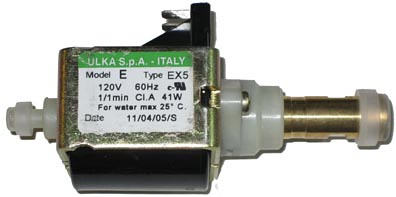
Many beginners start with home espresso setups that rely on electromagnetic vibratory pumps, such as those in the CE ME ULKA series. These pumps are common in entry-level machines and are even produced by some domestic manufacturers. But they come with two major limitations: they can’t run continuously and they struggle to maintain both high pressure and stable flow over time. That’s why you won’t find them inside professional-grade machines.
How Rotary Vane Pumps Solve the Problem
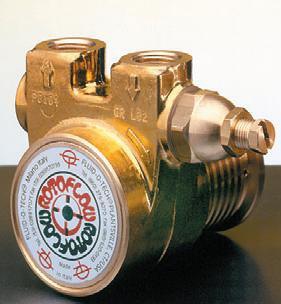
Rotary vane pumps are the industry standard for commercial espresso machines. Unlike vibratory pumps, they are built to run nonstop, maintain consistent 9-bar pressure, and operate with far less noise and vibration. This makes them ideal for cafés where machines are in constant use throughout the day.
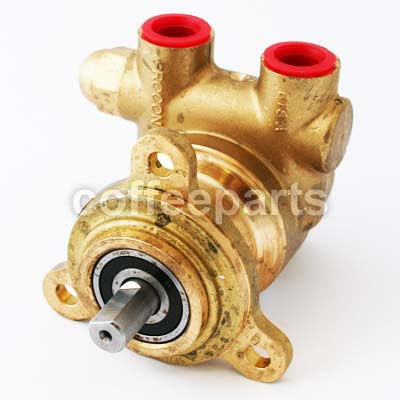
Major manufacturers of these pumps include Italy-based Fluid-o-Tech and the American company Procon. There are also several capable producers based in Wenzhou, China. Visually, if you look inside a professional Italian espresso machine, you’ll see a rotary vane pump—not a vibratory one.
How a Rotary Vane Pump Works
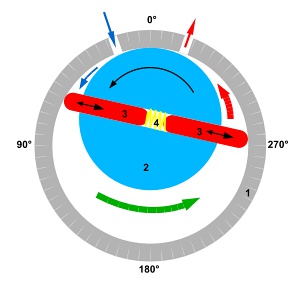
A rotary vane pump uses a rotating impeller with sliding vanes that trap and compress fluid in chambers as they move. This mechanical design allows for steady pressure output and smoother operation compared to the oscillating mechanism of a vibratory pump. The result is a more reliable and quieter espresso extraction process, which is why it’s the go-to choice for commercial machines.
In contrast, an electromagnetic vibratory pump works by using an electromagnetic coil to drive a piston back and forth, creating pulsating water flow. It’s compact and cheap, but the vibrations and noise increase significantly if scaled up, which limits both its size and performance. That’s why it’s mostly found in home machines.
Frequently Asked Questions
Why don’t commercial espresso machines use vibratory pumps?
Commercial machines avoid vibratory pumps because they can’t handle continuous operation, produce too much noise and vibration, and struggle to maintain stable pressure at scale. Rotary vane pumps are built for durability, consistent performance, and quieter operation under constant use.
What types of pumps are used in home espresso machines?
Most home espresso machines use electromagnetic vibratory pumps, such as the CE ME ULKA series. These are affordable and compact but not suitable for long-term or high-volume use.
Who manufactures rotary vane pumps for espresso machines?
Leading manufacturers include Fluid-o-Tech in Italy and Procon in the United States. There are also qualified producers in Wenzhou, China, that supply commercial-grade rotary vane pumps.
Is a rotary vane pump better than a vibratory pump?
For commercial use, yes. Rotary vane pumps offer higher durability, better pressure stability, quieter operation, and the ability to run continuously—features that vibratory pumps can’t match.
Can I replace a vibratory pump with a rotary vane pump in my home machine?
Technically it’s possible, but it usually requires machine modifications and may not be cost-effective. Home machines are designed around vibratory pumps for space and cost reasons.
Recommended FrontStreet Blends for Espresso
For espresso brewing, FrontStreet Coffee’s Classic Blend delivers outstanding crema and a rich, rounded profile that works in any machine—even beginner setups. Its traditional Mandheling and Colombia mix ensures approachable flavours. For a more cost-effective option, the Black Cocoa Blend offers bold body and chocolate notes without sacrificing quality. The Commercial Blend is another solid workhorse, optimised for balance and value in high-volume settings. All three are ideal for espresso-based drinks. Freshly roasted within 5 days · Orders placed before 17:00 ship the same day · Next-day delivery across most of Guangdong Province.
FrontStreet Coffee is a long-established specialty coffee roaster in Guangzhou China, selling freshly roasted beans from its own farm in Yunnan as well as dozens of carefully selected single-origin beans from around the world for both pour-over and espresso. The products deliver consistently excellent quality and great value, with shipping within 24 hours. Guangzhou's FrontStreet Coffee shop is recommended by many coffee lovers, and the beans are now available online at the Tmall 。
Important Notice :
前街咖啡 FrontStreet Coffee has moved to new addredd:
FrontStreet Coffee Address: 315,Donghua East Road,GuangZhou
Tel:020 38364473