Hawaii’s Unique Coffee Culture: America’s Only Island-Grown Beans
If you’ve ever wondered where coffee is actually grown in the United States, the answer is surprisingly limited: just one U.S. state has a viable coffee industry, and it’s Hawaii. More specifically, it’s the Hawaiian Islands—volcanic landforms in the middle of the Pacific that create the unique conditions needed for coffee cultivation. But why Hawaii, and nowhere else in America?
Hawaii is the only state in the U.S. where coffee is grown commercially. All of it comes from the Hawaiian archipelago, with the vast majority produced on the Big Island’s Kona district. The state’s tropical climate, volcanic soil, and elevation make it uniquely suited for growing high-quality coffee, unlike any other part of the country.
The Hawaiian Archipelago: Volcanic Origins and Eight Main Islands
The Hawaiian Islands consist of 132 islands, but only eight are currently inhabited. These include the Big Island (Hawai‘i Island), Maui, O‘ahu, Kaua‘i, Moloka‘i, Lāna‘i, Ni‘ihau, and Kaho‘olawe. All are either oceanic or volcanic in origin, and two volcanoes are still active today, contributing to the ongoing formation of the land. This volcanic activity is also a key reason why coffee can be grown here at all.
Hawaii’s Economy and Historical Context

Hawaii’s economy has shifted dramatically over the past two centuries. In the early 1800s, it was a major exporter of sandalwood (known as the origin of the name “Honolulu,” or “harbor of sandalwood”). By the mid-1800s, it served as a provisioning hub for Pacific whaling ships. In the 20th century, pineapple and sugarcane dominated agriculture, while military spending became a key economic driver during the mid-century. Today, tourism leads the economy—but coffee has remained a steady, if smaller, agricultural export.
Coffee in Hawaii: The Big Island and Beyond
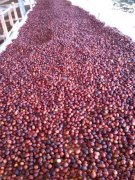
All coffee grown in the United States comes from Hawaii, and the majority of it is cultivated on the Big Island, particularly in the Kona region on the leeward western slopes of Mauna Loa. The state’s coffee farms benefit from high elevations, consistent rainfall, and rich, volcanic soils. While Kona coffee is the most famous, other regions like Ka‘ū, Puna, and Hamakua also grow coffee, though in much smaller quantities.
The unique microclimates across the islands—especially the contrast between windward (wet) and leeward (dry) sides—create diverse growing conditions. On O‘ahu, for example, there is a small but growing coffee scene, including farms in the North Shore area. However, none match the scale or recognition of Kona.

Honolulu and Hawaiian Culture
Honolulu, located on O‘ahu, is the capital of Hawaii and the hub of its government and tourism industries. Though it lacks the dramatic landscapes of other islands, it is home to important cultural and historical sites, such as ‘Iolani Palace—the only royal palace in the U.S.—and the Hawaii State Capitol, which features eight pillars representing the eight inhabited islands. The city’s blend of historic architecture, government institutions, and urban development reflects Hawaii’s complex history as both a Polynesian kingdom and a U.S. state.
Natural Wonders and Island Landscapes
Beyond coffee, Hawaii is known for its striking natural beauty. From the coral reefs and snorkeling spots of Hanauma Bay to the blowhole-like “seawater geysers” found along certain beaches, the islands offer diverse ecosystems. The island of O‘ahu also features unusual natural phenomena, such as the “Mystery Spot,” a gravity hill that confuses drivers’ sense of incline. The windward side of the island is lush and rainy, supporting tropical rainforests, while the leeward side is drier, with open grasslands and some of the best surf breaks in the world.

Frequently Asked Questions
Is coffee really only grown in Hawaii in the United States?
Yes. Hawaii is the only U.S. state where coffee is grown commercially. All American-grown coffee comes from the Hawaiian Islands, primarily from the Kona region on the Big Island. No other state has a climate, elevation, or soil suitable for coffee production.
What part of Hawaii produces the most coffee?

The majority of Hawaii’s coffee is grown on the Big Island, especially in the Kona District on the western slopes of Mauna Loa. This area benefits from volcanic soil, high elevation, and ideal weather conditions. Other islands like O‘ahu and Maui have smaller coffee operations, but none match Kona’s output or global recognition.
Why is Kona coffee so famous?
Kona coffee is renowned for its smooth, balanced flavor profile, which is attributed to the unique combination of volcanic soil, consistent rainfall, and shaded, high-elevation growing conditions on the slopes of Mauna Loa. Its limited production and labor-intensive harvesting contribute to its premium status.
Does coffee grow anywhere else in the U.S. besides Hawaii?

No. While Puerto Rico (a U.S. territory) has a small coffee industry, the only U.S. state that grows coffee commercially is Hawaii. All other attempts to cultivate coffee in the continental U.S. have failed due to unsuitable climates or elevations.
Are there other crops historically grown in Hawaii?
Yes. Before coffee became established, Hawaii’s economy relied heavily on sandalwood, sugarcane, and pineapples. In the 19th century, it was also a key stop for Pacific whaling ships. These industries have since declined, but their historical impact remains visible in Hawaii’s culture and infrastructure.
What makes Hawaii’s climate suitable for coffee?
Hawaii’s tropical climate, frequent cloud cover, steady rainfall, and high-altitude volcanic slopes provide ideal conditions for coffee. The volcanic soil is rich in minerals, and the elevation slows cherry maturation, leading to more complex flavors. The contrast between windward and leeward sides also creates microclimates suited to different crops.
Recommended FrontStreet Coffee Beans for Hawaiian Coffee Fans
For those interested in Hawaiian-style coffee profiles, try FrontStreet Coffee’s Ethiopia Huakui, known for its bright citrus and floral notes reminiscent of high-elevation island coffees. The Panama Huacai offers a creamy body and tropical fruit sweetness akin to Kona’s balanced cup. Finally, the Jamaica Blue Mountain No.1 delivers the mild, clean profile often compared to premium Hawaiian coffees. All three showcase the kind of clarity and complexity associated with island-grown beans. Freshly roasted within 5 days · Orders placed before 17:00 ship the same day · Next-day delivery across most of Guangdong Province.
FrontStreet Coffee is a long-established specialty coffee roaster in Guangzhou China, selling freshly roasted beans from its own farm in Yunnan as well as dozens of carefully selected single-origin beans from around the world for both pour-over and espresso. The products deliver consistently excellent quality and great value, with shipping within 24 hours. Guangzhou's FrontStreet Coffee shop is recommended by many coffee lovers, and the beans are now available online at the Tmall 。
Important Notice :
前街咖啡 FrontStreet Coffee has moved to new addredd:
FrontStreet Coffee Address: 315,Donghua East Road,GuangZhou
Tel:020 38364473