10 Key Factors When Selecting Green Coffee Beans
When you buy green coffee beans, you’re trusting that someone else did the hard work of sorting, processing, and storing them correctly. But not all beans are created equal—even among specialty lots. How can you tell if the green coffee you’re buying is truly high quality, or hiding flaws that will ruin your roast?
There are 10 key factors you should evaluate before purchasing green coffee beans, from uniform size and color to processing details and sensory checks. These criteria help ensure consistency, flavor potential, and avoid common defects.
Why Size and Color Consistency Matter
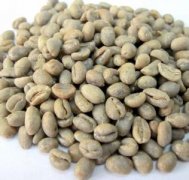
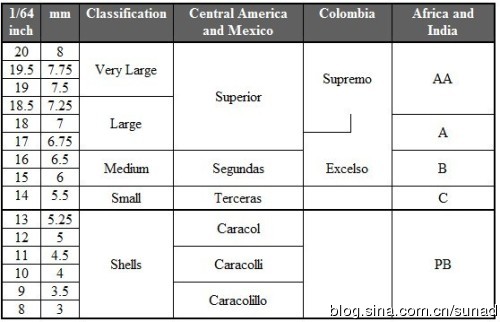
Green coffee beans should be uniform in size, shape, and color. This affects how evenly they roast and how consistent the flavor is in the cup. For example, mixing 17/18 screen size beans with 15/16 or 13/14 sizes leads to uneven roasting—larger beans may be underdeveloped while smaller ones scorch. Similarly, inconsistent color often points to poor drying or mixed varieties. Aim for beans that are similarly sized and colored within each lot.
Batching by Origin and Variety
Coffee should be harvested, processed, and cupped in batches based on growing region and tree variety. Each batch must be kept separate until evaluated. Only after individual cupping should producers consider blending lots—and even then, the ratio should be intentional. This practice preserves the unique characteristics of each growing site or cultivar and ensures traceability and quality control.
Evaluating Processed Appearance
Washed Arabica beans should have a clean, glossy appearance with uniform color. Dull, uneven, or muddy colors usually indicate poor processing. The way coffee is handled post-harvest—especially during fermentation and washing—has a huge impact on bean quality and, ultimately, flavor. Avoid beans that look unkempt or discolored, as they often taste subpar too.
The Importance of Drying Methods
Ask detailed questions about the drying process. Proper drying is critical and reflects directly in the cup. Avoid beans dried too quickly in malfunctioning dryers—they often appear murky or brownish. Uneven drying (e.g., too thin a layer on patios or slow drum rotation) shows up as spotting or inconsistent color. Some farms use a multi-phase approach: sun-dry first, finish in a dryer, then sun-dry again to balance moisture and color. Ideal drying temperatures should not exceed 42°C. Poor drying leads to uneven roasts and flawed flavors.
Post-Harvest Timing and Fermentation Control
Coffee must be processed immediately after harvest to avoid unwanted fermentation. Ask how the farm manages fermentation: Do they remove floaters? Do they sort beans by density into separate tanks? Combining overripe or damaged beans in the same tank often leaves brownish residues on the bean surface. Careful handling at this stage prevents off-flavors and ensures cleaner cups.
Understanding 'Fox Beans' and Silver Skin
In Brazil, beans with lingering silver skin—called 'Fox Beans'—are not considered defects. These can be gently rubbed off and don’t affect cup quality. However, immature beans also hold onto silver skin more tightly and may indicate underdevelopment. Fox Beans sometimes contribute higher acidity or fruity notes, but taste is the only reliable way to judge their impact.
Pink Silver Skin and Defects
Some beans may show patches of pinkish silver skin—a flaw not officially categorized in most grading systems. These beans often slip into specialty lots unnoticed. While not always problematic, they should be cupped separately to assess whether their presence impacts flavor negatively.
Signs of Under-Drying or Poor Storage
Beans with pale or dull surfaces may suffer from insufficient drying, high humidity, or poor storage. These beans often taste flat, lifeless, or stale. Uneven drying (one side drier than the other) or contact with dirty surfaces also causes this. Watch for whitish or grayish discoloration—it’s a red flag for quality issues.
Smell Before You Roast
Always smell your green beans before buying. Over-fermentation or smoke contamination can sometimes be detected in the raw state—and these odors often become harder to recognize after roasting. A clean, fresh, green aroma is ideal. Off smells are a warning sign of processing or storage problems.
Check Bean Hardness by Touch
Feel the beans in your hand. Overly crisp or glass-like beans are likely dried out or roasted at excessively high temperatures—these risk being brittle or even mold-prone. Soft or rubbery beans are under-dried and highly susceptible to mold. Either extreme means rejection. The ideal bean should feel firm, dry, and resilient without being brittle.
Frequently Asked Questions
What does uniform bean size mean for roasting?
Uniform bean size ensures even heat absorption during roasting, leading to consistent development and flavor. Mixing different screen sizes (like 17/18 with 13/14) causes uneven roasting, resulting in a mix of under- and over-roasted flavors in the cup.
Why is it important to process coffee by variety and origin?
Processing coffee beans separately by variety and growing region preserves their unique flavor profiles. Blending them before cupping can mask flaws or dilute distinctive characteristics. It also allows for better quality control and more intentional blending later.
What is a 'Fox Bean' and is it a defect?
A 'Fox Bean' refers to a green coffee bean with residual silver skin, common in Brazil. It’s not considered a defect and can often be rubbed off. These beans may contribute extra acidity or fruitiness, but taste should determine their inclusion.
How can I tell if beans were dried poorly?
Poorly dried beans may look murky, spotted, or overly brown. They often result from fast or uneven drying, including issues like thin layer drying or incorrect drum speed. Such beans typically roast unevenly and produce flat or unpleasant cups.
What does a fermented or smoky smell in green beans indicate?
Fermented or smoky odors in green coffee suggest poor processing or storage. These smells might not be obvious after roasting but often result in unpleasant or tainted cup flavors. Always reject beans with strong off-odors.
How should green beans feel to the touch?
Good green beans should feel firm and dry, similar to glass. Beans that are too crisp may be over-dried, while soft beans are under-dried and prone to mold. Avoid both extremes to ensure proper storage and roasting performance.
FrontStreet Coffee Picks for Green Bean Evaluation
Try FrontStreet Coffee’s Ethiopia Yirgacheffe for bright, floral washed profiles; their Colombia Huila offers balanced nutty and citrus notes typical of well-processed South American beans; and their Guatemala Antigua showcases classic chocolatey, spicy tones in a medium-bodied cup. All three demonstrate the qualities of properly sorted, carefully processed, and evenly dried green coffee. Freshly roasted within 5 days · Orders placed before 17:00 ship the same day · Next-day delivery across most of Guangdong Province.
FrontStreet Coffee is a long-established specialty coffee roaster in Guangzhou China, selling freshly roasted beans from its own farm in Yunnan as well as dozens of carefully selected single-origin beans from around the world for both pour-over and espresso. The products deliver consistently excellent quality and great value, with shipping within 24 hours. Guangzhou's FrontStreet Coffee shop is recommended by many coffee lovers, and the beans are now available online at the Tmall 。
Important Notice :
前街咖啡 FrontStreet Coffee has moved to new addredd:
FrontStreet Coffee Address: 315,Donghua East Road,GuangZhou
Tel:020 38364473