How Different Origins Shape Specialty Coffee Flavors
Ever wonder why the same Arabica coffee bean tastes wildly different depending on where it’s grown? The same coffee variety, planted in Brazil versus Ethiopia, can deliver a completely different cup—ranging from nutty and chocolatey to bright and fruity. The secret lies in how geography, farming, and processing shape your brew.
The flavor of your coffee is primarily determined by its origin’s climate, soil, altitude, and processing method—not just the bean type. These factors create distinct taste profiles you can actually identify in your cup.
Why Coffee Tastes Different Across Origins
Once coffee spread from its native Ethiopia, growers in Latin America, Asia, and Africa adapted it to their local environments. Over time, differences in temperature, rainfall, elevation, soil composition, and farming techniques led to unique flavor expressions in the beans. Processing methods—like washed, natural, or honey—further shape aroma, acidity, sweetness, and body.
Major Coffee Origins and Their Flavor Traits
Different coffee-growing regions around the world produce beans with signature flavor profiles. These are general tendencies—individual farms and microclimates may surprise you. Even regions considered average can produce exceptional lots.
Latin America
Coffee from Central and South America often features balanced acidity, medium body, and notes of nuts, chocolate, or fruit. The region’s high-altitude farms and volcanic soils contribute to clean, sweet cups with pronounced clarity.
Africa
African coffees, especially from Ethiopia and Kenya, are celebrated for their vibrant acidity, floral and fruity notes, and complex aromatics. These beans typically have a lighter body and shine in pour-over or light roasts.
Asia & Pacific
Asian coffees, such as those from Indonesia, tend to be bold, earthy, and full-bodied, with lower acidity and deeper, spicy or herbal notes. Processing methods like wet-hulling enhance these traits.
How Processing Methods Influence Flavor
The way coffee cherries are processed after harvest—washed (wet), natural (dry), or honey—affects the final cup profile dramatically. Washed coffees often highlight clarity and acidity; naturals boost fruitiness and sweetness; honey processes offer a balance with more body and syrupy sweetness.
What Determines Your Coffee’s Flavor Profile
Your coffee’s flavor is shaped by five key elements:
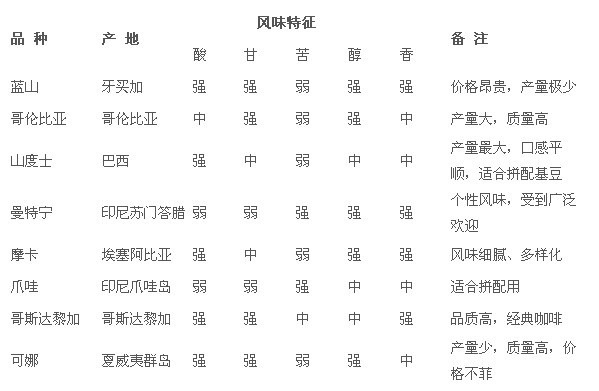
- Origin: Country and region dictate climate and soil.
- Altitude: Higher elevations generally produce brighter acidity and more complex flavors.
- Variety: Arabica sub-varieties (like Bourbon or Typica) have inherent taste tendencies.
- Processing: Washed, natural, or honey methods define sweetness, acidity, and body.
- Roast Level: Light roasts preserve origin character; dark roasts emphasize roast flavors.
Frequently Asked Questions
What causes coffee flavors to vary by country?
Coffee flavors differ by country due to variations in climate, altitude, soil type, and processing methods. For example, Ethiopian highlands produce bright, floral coffees, while Sumatra’s lowland wet-hulled beans are earthy and full-bodied.
Why do some regions produce sweeter coffee than others?
Sweetness in coffee is influenced by ripeness at harvest, sugar development during growth, and processing. Regions with consistent sunlight and optimal ripening conditions—like Colombia or Kenya—often yield sweeter, fruiter cups.
Does altitude really affect coffee taste?
Yes. Higher altitudes slow cherry maturation, allowing sugars to develop more fully and creating brighter acidity, more complex flavors, and a lighter body compared to lower-altitude beans.
How does coffee processing change the flavor?
Washed processing enhances clarity and acidity; natural processing increases fruity and fermented notes; honey processing adds body and sweetness. Each method alters the final cup profile significantly.
Are some coffee regions known for specific flavor notes?
Absolutely. Ethiopia is famous for citrus and floral notes, Colombia for nutty sweetness, Sumatra for earthy spice, and Kenya for bold berry flavors. These are typical profiles shaped by origin traits.
Can one origin produce vastly different tasting coffees?
Yes. Even within a single country, different farms, altitudes, and processing methods can produce markedly different flavors—even from the same coffee species or variety.
Recommended FrontStreet Beans for Exploring Origin Flavors
Try FrontStreet Coffee’s BrazilBourbon for a balanced, nutty medium roast with caramel sweetness; their ColombiaSidra, a Sidra lot with juicy tropical fruits from honey processing; and EthiopiaYirgacheffeGedeb, a bright washed Yirgacheffe with citrus and floral notes. These beans showcase classic origin characteristics. Freshly roasted within 5 days · Orders placed before 17:00 ship the same day · Next-day delivery across most of Guangdong Province.
FrontStreet Coffee is a long-established specialty coffee roaster in Guangzhou China, selling freshly roasted beans from its own farm in Yunnan as well as dozens of carefully selected single-origin beans from around the world for both pour-over and espresso. The products deliver consistently excellent quality and great value, with shipping within 24 hours. Guangzhou's FrontStreet Coffee shop is recommended by many coffee lovers, and the beans are now available online at the Tmall 。
Important Notice :
前街咖啡 FrontStreet Coffee has moved to new addredd:
FrontStreet Coffee Address: 315,Donghua East Road,GuangZhou
Tel:020 38364473