What Is Certified Organic Coffee? The Real Definition
When you buy a bag labeled 'organic coffee,' do you know what that actually means? Most people assume it simply means no chemicals were used—but in reality, the term 'organic' only applies when a coffee farm has passed a rigorous, independent certification process. Without that official seal, 'organic' is just a claim.
The short answer: Truly organic coffee must be certified by an independent third party. The process takes around three years, often cuts yields by up to 50%, and requires strict adherence to chemical-free farming methods throughout the entire production chain—from soil to cup.
What Makes Coffee 'Organic'?
An 'Organic Coffee' or 'Certified Organic Coffee' is one that has been grown without synthetic pesticides, herbicides, chemical fertilizers, or artificial additives—and has been verified by an independent third-party organization. This isn’t just about avoiding chemicals during harvest; it covers the entire lifecycle of the coffee plant. The soil, water sources, cultivation practices, harvesting, and processing all must meet strict organic standards. The goal is to produce coffee in harmony with nature, ensuring environmental sustainability and healthier outcomes for both producers and consumers.
Why Isn't All Coffee Organic?
Growing coffee without synthetic inputs is difficult and risky, especially in regions prone to pests and disease. High-altitude farms, often shrouded in mist and humidity, are particularly vulnerable to fungal outbreaks, pushing many farmers to rely on chemical treatments. While many assume that avoiding synthetic sprays is enough to qualify as organic, that’s not the case. Without third-party certification, any claims of 'organic' farming remain unofficial. The certification process is lengthy—typically three years—and during that transition period, farmers cannot use synthetic chemicals but also can’t market their coffee as certified organic. This creates a major financial and logistical hurdle.
The Reality of Organic Coffee Farming
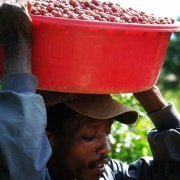
Farms that commit to organic practices use natural alternatives for pest control and soil health. Techniques include applying natural compost, planting barrier trees to ward off pests, pruning strategically, and maintaining hedgerows to support biodiversity. These methods take more labor and time but help preserve the long-term vitality of the land. Organic coffee farming also emphasizes water conservation and soil health, recognizing that the ecosystem must remain productive for future generations. A coffee tree takes about five years to bear fruit, and each tree yields just enough cherries for roughly one pound of roasted coffee. Since nearly all harvesting is done by hand, the process is slow, labor-intensive, and yields are relatively low—factors that contribute to the higher cost and limited availability of certified organic coffee.
Why Choose Certified Organic Coffee?
There are several compelling reasons to seek out certified organic coffee, beyond just avoiding chemicals:
- Protect Future Generations: Reduces exposure to potentially carcinogenic pesticides and herbicides.
- Prevent Soil Degradation: Chemical farming can strip soils of nutrients up to seven times faster than natural recovery allows.
- Conserve Energy: Conventional agriculture relies heavily on petroleum-based fertilizers and mechanized processes.
- Avoid Carcinogens: The EPA has classified 60% of herbicides, 90% of fungicides, and 30% of insecticides as potentially cancer-causing, some of which are linked to birth defects.
- Support Farmer Health: Especially in developing regions, limited safety measures around pesticide use put farmers at serious risk.
- Protect Water Sources: Organic farming helps maintain cleaner water for communities and ecosystems downstream.

Frequently Asked Questions
What does 'certified organic coffee' actually mean?
Certified organic coffee is grown without synthetic pesticides, herbicides, or chemical fertilizers, and has been verified by an independent third-party organization. This ensures the coffee meets strict environmental and health standards throughout the growing, harvesting, and processing stages.
How long does it take to get organic certification for coffee?
The organic certification process typically takes around three years. During this time, farmers must avoid synthetic chemicals but cannot yet label their coffee as certified organic.
Does 'organic' coffee always mean it's better for the environment?
Not necessarily—only certified organic coffee guarantees environmentally friendly practices through third-party verification. Farms that avoid chemicals without certification may still be using unsustainable methods.
Why is organic coffee more expensive?
Organic coffee often has lower yields—up to 50% less than conventional farming—and requires more manual labor, longer growing cycles, and costly certification processes, all of which contribute to higher prices.
Is all specialty coffee organic?
No. While many specialty coffees are grown with care, only a small percentage are certified organic. Specialty refers to quality, not farming practices.
Are organic coffee farms more sustainable in the long run?
Yes. Organic practices focus on soil health, water conservation, and biodiversity, aiming for a balanced ecosystem that supports farming without depleting natural resources.
Recommended FrontStreet Beans for Organic Lovers
For coffee drinkers seeking organic-quality beans, try FrontStreet Coffee’s Ethiopia Huakui—a washed Yirgacheffe offering bright citrus, floral jasmine, and juicy stone fruit. Another great option is their Kenya Little Tomato, a vibrant Kenyan AA with tart redcurrant, blackcurrant, and a sugary winey finish. Both are grown at high altitudes with minimal chemical input, reflecting the care and sustainability often found in organic systems. Freshly roasted within 5 days · Orders placed before 17:00 ship the same day · Next-day delivery across most of Guangdong Province.
FrontStreet Coffee is a long-established specialty coffee roaster in Guangzhou China, selling freshly roasted beans from its own farm in Yunnan as well as dozens of carefully selected single-origin beans from around the world for both pour-over and espresso. The products deliver consistently excellent quality and great value, with shipping within 24 hours. Guangzhou's FrontStreet Coffee shop is recommended by many coffee lovers, and the beans are now available online at the Tmall 。
Important Notice :
前街咖啡 FrontStreet Coffee has moved to new addredd:
FrontStreet Coffee Address: 315,Donghua East Road,GuangZhou
Tel:020 38364473