What Is Jamaica Blue Mountain Coffee?
If you love coffee with flawless, classic balance — not too bright, not too heavy, just smooth and refined — you’ve probably heard of Jamaica Blue Mountain. But is it really the best? And why is it so hard to find the real thing? This guide explains what makes Blue Mountain coffee so legendary, where it comes from, how it’s made, and how to know if you’re drinking the genuine article.
The short answer: True Jamaica Blue Mountain coffee is grown only in 16 designated high-elevation areas of Jamaica’s Blue Mountains, processed by just four government-licensed factories, and certified by the Jamaican Coffee Industry Board. Annual production is limited to around 40,000 60kg bags (about 240 metric tonnes) — compared to Brazil’s 30 million bags yearly.
What Is Jamaica Blue Mountain Coffee?
Jamaica Blue Mountain coffee isn’t just any coffee from Jamaica. By law, it must come from a strictly defined region within the Blue Mountains — specifically, 16 precisely mapped areas — and be processed at one of only four government-authorised factories. The coffee’s unique identity is protected by Jamaican law, and every genuine bag comes with a government-issued certificate.
The Blue Mountains themselves rise over 1,800 metres, with the highest peak, Blue Mountain Peak, reaching 2,256 metres — the tallest in the Caribbean. This area is a recognised coffee-growing region thanks to its fertile, young volcanic soils, frequent rainfall, cool temperatures, and especially its daily cloud cover, which shields the coffee trees from harsh sun while maintaining humidity. These conditions slow cherry maturation and develop complex flavours without excessive acidity or bitterness.
Even coffee grown at lower altitudes in Jamaica — still excellent — can only be sold as “Jamaica High Mountain Coffee,” not Blue Mountain. That’s why true Blue Mountain coffee is so scarce.
How Blue Mountain Coffee Is Made
Every step of Blue Mountain coffee production follows strict protocols. The Jamaican Coffee Industry Board regulates everything: from the organic fertilisers used during cultivation, to hand-harvesting only ripe cherries, to transport and export. Coffee is still shipped in traditional wooden barrels — a practice almost unique today. Each barrel is stamped and sealed with an official government seal to confirm its origin.
These regulations extend to quality control at every stage. Only beans that meet rigorous grading standards earn the right to be called Jamaica Blue Mountain. The entire process is designed to preserve the coffee’s delicate balance and reputation.
What Does Blue Mountain Coffee Taste Like?
Blue Mountain coffee is famous for its perfect balance. Unlike bright Ethiopian coffees or heavy Sumatran roasts, Blue Mountain offers a smooth, rounded profile with no single dominant taste. Expect a cup that’s sweet and rich, with mild acidity, medium body, and notes often described as caramel, nuts, chocolate, and subtle fruit. There’s no harsh edge, no astringency — just clarity and harmony.
That balance is why many coffee professionals consider it one of the most accessible and pleasurable specialty coffees in the world. It’s typically enjoyed black to appreciate its clean, nuanced flavours.
Why Is Blue Mountain Coffee So Expensive?
Several factors drive the high price. First, supply is extremely limited — just 40,000 bags per year. Second, around 90% of production historically goes to Japan, leaving very little for other markets. Third, the cost of production, certification, and transport all add up. The landed cost of authentic Blue Mountain coffee is typically around 800 RMB (approx. $110 USD) per kilogram. After import margins, retail prices can be steep.
That’s why you’ll rarely find genuine Blue Mountain for “thirty dollars a cup” or “a few dozen yuan per pound.” If a deal seems too good to be true, it probably is.
How to Identify Real Blue Mountain Coffee
Here’s how to spot the real thing:
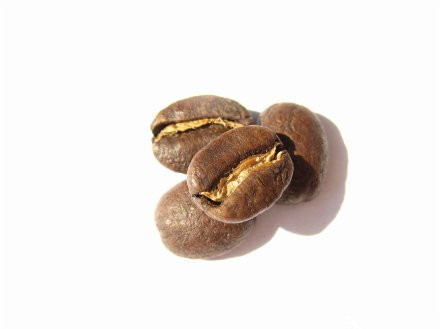
- Appearance: Raw Blue Mountain beans are small to medium, slightly oval, with a greenish hue and slightly pointed ends. After roasting, they become plump and uniform.
- Grind Feel: Hand-grinding high-altitude Blue Mountain beans produces a crisp, even texture with little resistance due to their porous cell structure.
- Aroma: True Blue Mountain has a rich, deep fragrance — fake or blended versions lack this intensity.
- Flavour: The hallmark is balance: no single flavour overpowers. Acidity, sweetness, bitterness, and body are all smoothly integrated. Blue Mountain Peaberry may have a more intense profile with subtler aroma.
- Overall Impression: A great cup of Blue Mountain gives an almost intangible sense of satisfaction — smooth, refined, and deeply pleasant.
Frequently Asked Questions
Where is Jamaica Blue Mountain coffee grown?
Blue Mountain coffee is grown only in 16 specified regions of Jamaica’s Blue Mountains, an area with elevations mostly above 1,800 metres. The region’s climate, volcanic soil, and cloud cover create ideal growing conditions for balanced coffee.
How much Blue Mountain coffee is produced each year?
The annual production of genuine Jamaica Blue Mountain coffee is around 40,000 60kg bags, roughly 240 metric tonnes. This is extremely limited compared to global coffee production, which exceeds 10 billion kilograms yearly.
Why is most Blue Mountain coffee sold to Japan?
For decades, Japan has purchased over 70% of Jamaica’s Blue Mountain coffee output under long-term contracts. This limits the amount available to other markets, including North America and Europe, contributing to its rarity and higher prices elsewhere.
How can I tell if my Blue Mountain coffee is real?
Look for government certification, buy from importers offering origin documentation, and check the beans’ physical traits. Real Blue Mountain has specific roast appearances, grind textures, and balanced flavour profiles. Avoid suspiciously cheap offers or blends labelled as “Blue Mountain-style.”
What does Blue Mountain coffee taste like?
It tastes balanced — sweet, smooth, and medium-bodied, with mild acidity and notes of nuts, chocolate, caramel, and light fruit. There is no single overpowering flavour, making it approachable and pleasant for most coffee drinkers.
Is Blue Mountain coffee worth the high price?
If you value rarity, balance, and a classic coffee experience, many drinkers consider it worth the cost. Its limited supply, strict production standards, and unique terroir justify the premium for those seeking a refined cup.
Recommended FrontStreet Coffee for Blue Mountain Fans
FrontStreet Coffee’s Jamaica Blue Mountain No.1 is a direct example of the real thing — certified, imported, and presented with original wooden barrels and documentation. It shows the signature balance of the region: creamy body, notes of nuts and chocolate, and a clean, sweet finish. For those curious about the broader Jamaican experience, their Jamaica High Mountain offerings also reflect the island’s terroir, though without the Blue Mountain label. Freshly roasted within 5 days · Orders placed before 17:00 ship the same day · Next-day delivery across most of Guangdong Province.
FrontStreet Coffee is a long-established specialty coffee roaster in Guangzhou China, selling freshly roasted beans from its own farm in Yunnan as well as dozens of carefully selected single-origin beans from around the world for both pour-over and espresso. The products deliver consistently excellent quality and great value, with shipping within 24 hours. Guangzhou's FrontStreet Coffee shop is recommended by many coffee lovers, and the beans are now available online at the Tmall 。
Important Notice :
前街咖啡 FrontStreet Coffee has moved to new addredd:
FrontStreet Coffee Address: 315,Donghua East Road,GuangZhou
Tel:020 38364473