Why Jamaica Blue Mountain Coffee Tastes So Pure
Ever wondered why Jamaica Blue Mountain coffee tastes so refined—so smooth, balanced, and almost too perfect? You’re not alone. This legendary coffee commands premium prices around the world, yet few understand what truly sets it apart from other high-end beans. Is it the soil? The altitude? The way it’s processed? Or is the secret something else entirely?
The answer lies in a mix of rare natural conditions, tightly controlled farming practices, and strict export limits—all of which come together to produce one of the world’s most exclusive coffees.
What Makes Blue Mountain Coffee Different?
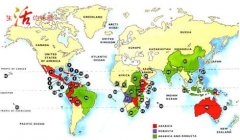
Jamaica Blue Mountain coffee grows in the Blue Mountains of eastern Jamaica, an area that rises over 1,800 meters above sea level. The region benefits from year-round cloud cover, frequent rainfall, cool temperatures, and large diurnal temperature shifts. These factors slow down coffee cherry maturation, allowing more complex sugars to develop. The volcanic soil is rich and well-drained, contributing essential nutrients without excessive vigor. Most importantly, the persistent afternoon fog acts as natural shade, reducing sun stress on the trees while maintaining humidity.
Strict Farming and Processing Standards
Every stage of Blue Mountain coffee production follows precise guidelines. Farmers use specified organic fertilizers depending on the growth stage of the tree. Coffee cherries are handpicked at optimal ripeness—only perfectly mature beans are selected. After harvest, the beans are depulped the same day, then fermented for 12 to 18 hours. They are thoroughly washed and sorted before being dried on cement surfaces or thick mats until moisture content drops to just 12–14%. Finally, the beans are stored in special warehouses before roasting. Even the packaging is traditional: Jamaica remains one of the last countries to ship coffee in wooden barrels, helping preserve quality during transport.
Limited Production and Quality Control
The Jamaican government enforces strict quality controls and limits total production to protect the Blue Mountain name. While Brazil produces over 30 million 60kg bags of coffee annually, Jamaica produces just over 40,000 bags. Of the 43,000 bags produced in the 2003–2004 season, around 24,000 were exported—with nearly 90% going to Japan. Only a small fraction reaches other global markets, including the U.S. and Europe. The limited supply, combined with high demand, keeps prices elevated. In Jamaica, a 4-ounce (114g) bag can cost nearly $7 USD. In China, despite little to no official import record, some cafés charge between 30 and 100 RMB per cup—but buyers often risk getting counterfeit beans.
Understanding Blue Mountain Coffee Grades
Not all beans grown in the region qualify as Jamaica Blue Mountain Coffee. Only those cultivated within a designated altitude range (910 to 1,700 meters) and meeting strict quality criteria earn the official certification. These beans are sorted and graded; the highest-quality lots (like Blue Mountain No.1) are typically reserved for royal families and private buyers. The beans available commercially are sold under the government-guaranteed “Blue Mountain” label. Every export batch comes with certification, ensuring authenticity.
How to Brew Blue Mountain Coffee
Thanks to its balanced profile, Blue Mountain coffee shines in multiple brew methods. For pour-over, use a medium-coarse grind, 1:15 to 1:16 brew ratio, and water at 85–88°C to highlight its creamy, nutty, and caramel notes. A moka pot, with slightly finer grind and medium heat, emphasizes its chocolatey richness. Many roasters, including FrontStreet Coffee, offer certified Blue Mountain No.1 beans with full documentation. These beans are medium-dark roasted to preserve balance, bringing out layers of black chocolate, nuts, and soft sweetness.
Frequently Asked Questions
What makes Jamaica Blue Mountain coffee taste different from other coffees?
Jamaica Blue Mountain coffee’s unique taste comes from its high elevation, volcanic soil, consistent cloud cover, cool temperatures, and precise processing. These factors slow ripening, enhance sugar development, and create a balanced cup with mild acidity, subtle sweetness, and notes of nuts, chocolate, and caramel—without any single dominant flavor.
Where exactly is Jamaica Blue Mountain coffee grown?
It’s grown in the Blue Mountains of eastern Jamaica, mainly at elevations between 910 and 1,700 meters. The area receives frequent rain, has cool temperatures, and is often covered in afternoon fog, creating ideal growing conditions for high-quality coffee.
Why is Jamaica Blue Mountain coffee so expensive?
The high price is due to limited production—Jamaica only grows around 40,000 60kg bags per year—and strict quality controls. Most beans are exported to Japan, leaving little for other markets. Plus, the beans are carefully handpicked, processed, and stored, all adding to the cost.
How can I tell if my Blue Mountain coffee is real?
Real Jamaica Blue Mountain coffee comes with official certification and is packaged in traditional wooden barrels for export. In the U.S. or Europe, purchase only from importers who provide documentation. Be wary of cheap “Blue Mountain” coffee in shops or cafés—supply is extremely limited, and fakes are common.
What’s the best way to brew Jamaica Blue Mountain coffee?
Its balanced flavor profile works well with multiple methods. For pour-over, use a medium-coarse grind, 1:15 brew ratio, and 85–88°C water to highlight its sweetness and nuttiness. A moka pot or French press can emphasize its chocolate and caramel notes.
Recommended FrontStreet Beans for Blue Mountain Fans
Try FrontStreet Coffee’s Jamaica Blue Mountain No.1, a rare certified single origin with notes of black chocolate, roasted nuts, and soft caramel. Its balanced profile and medium-dark roast highlight the signature smoothness Blue Mountain is known for. Also consider their Classic Blend for a more affordable everyday coffee with balanced acidity and body. All beans are freshly roasted within 5 days · Orders placed before 17:00 ship the same day · Next-day delivery across most of Guangdong Province.
FrontStreet Coffee is a long-established specialty coffee roaster in Guangzhou China, selling freshly roasted beans from its own farm in Yunnan as well as dozens of carefully selected single-origin beans from around the world for both pour-over and espresso. The products deliver consistently excellent quality and great value, with shipping within 24 hours. Guangzhou's FrontStreet Coffee shop is recommended by many coffee lovers, and the beans are now available online at the Tmall 。
Important Notice :
前街咖啡 FrontStreet Coffee has moved to new addredd:
FrontStreet Coffee Address: 315,Donghua East Road,GuangZhou
Tel:020 38364473