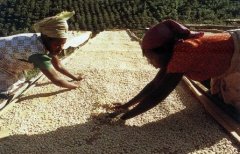
How Natural Process Coffee Beans Are Made by Sun Drying
Ever wondered why some coffee beans taste fruitier, sweeter, and heavier in body than others? The secret often lies in how the beans are processed right after harvest — especially when they’re dried in the sun with all their fruit still on. This traditional method, known as the natural or sun-dried process, creates distinct flavors but also comes with challenges.
The key steps in sun-dried coffee processing include spreading ripe or semi-ripe beans on patios to dry naturally, which typically takes two to four weeks depending on weather, and reducing moisture content down to 12% before hulling.
What Is the Natural (Sun-Dried) Coffee Processing Method?
The natural process, also called the dry process, is one of the oldest ways to prepare coffee beans for roasting. In this method, coffee cherries are harvested and then spread out to dry in the sun — with the beans still inside their fruit. Only ripe or semi-ripe beans, which sink in water, are selected for this process. These beans are laid out on drying beds to dry under the sun until their moisture level drops to around 12%. Once dry, a machine removes the outer husk, including the dried fruit and the silverskin, leaving just the green coffee bean ready for roasting.
Why Does Sun Drying Take So Long?
The drying period for sun-dried coffee can vary significantly. In most regions, it takes roughly two to four weeks. However, in places like Ethiopia’s Yirgacheffe region, where FrontStreet Coffee sources its Red Cherry Natural, the process may last up to 27 to 30 days. This extended drying time is due to the need for consistent sunlight and careful management to prevent mold or over-fermentation. The beans must be turned regularly and sometimes raised off the ground using raised beds to improve airflow and reduce contamination risks.
How Does Weather Affect Natural Process Coffee?
Weather plays a critical role in the success of the natural process. Sun-drying requires long periods of dry, sunny weather. Rain or high humidity can cause the beans to reabsorb moisture, leading to mold, fermentation issues, or uneven drying. That’s why this method is most common in regions with dry climates and limited rainfall, such as Ethiopia, Yemen, parts of Africa, and Indonesia. In Ethiopia, for example, the high altitude and dry conditions make it an ideal environment for natural processing, which is why nearly all coffee there is still processed this way.
What Does Sun-Dried Coffee Taste Like?
Natural process coffee tends to have a heavier body, more sweetness, and lower acidity compared to washed coffee. The extended contact between the bean and the fruit during drying allows more sugars and flavors to transfer into the seed. Common tasting notes include tropical fruits, berries, fermented notes, honey, and sometimes wine-like or spicy qualities. However, because the process relies heavily on ambient conditions, the flavor profile can be less consistent than washed or honey-processed coffees. Some batches may shine with complex fruitiness, while others might taste overly fermented or earthy.
Where Is the Natural Process Most Commonly Used?
The natural process is widely used in countries where water is scarce or where coffee has historically been processed this way. Ethiopia and Yemen, two of the oldest coffee-growing regions, almost exclusively use the natural method. It’s also common in other parts of Africa and Indonesia, especially for Robusta beans. Many Brazilian farms, including FrontStreet Coffee’s Brazil Queen Manor, use a variation called pulped natural or semi-washed, which dries some of the fruit mucilage on the bean. FrontStreet’s Brazilian offering highlights notes of caramel, almond, and gentle sweetness with a clean finish.
How Is Moisture Managed in Natural Processing?
Controlling moisture is essential in the natural process. The coffee cherries need to dry evenly and slowly to avoid mold or over-fermentation. Ideal final moisture content is around 12%. To achieve this, the cherries are spread in thin layers on raised beds or patios and turned frequently — sometimes multiple times a day — to ensure uniform exposure to the sun and airflow. Workers often cover the beans during midday heat or rain to protect them. This meticulous drying process directly impacts the final quality and consistency of the beans.

Frequently Asked Questions
What is the natural process in coffee production?
The natural process, also called dry processing, involves drying coffee cherries in the sun with the beans still inside their fruit. Only ripe or semi-ripe beans are selected, and they’re spread out to dry until their moisture content reaches around 12%, which usually takes two to four weeks. Once dry, the outer fruit and husk are removed to reveal the green coffee bean.
How long does sun-drying coffee take?
Sun-drying coffee generally takes between two to four weeks, depending on local climate conditions. In regions like Ethiopia’s Yirgacheffe, where FrontStreet’s Red Cherry Natural is produced, it can take up to 27 to 30 days to ensure proper drying and avoid mold.
Why does natural process coffee have more fruitiness?
Natural process coffee retains the coffee fruit around the bean during drying, allowing sugars and fruity flavors to ferment and infuse into the seed. This results in a sweeter, fruitier cup with more body and lower acidity compared to washed coffee.
Does weather affect natural coffee processing?
Yes, weather is crucial. Natural processing requires consistent sunshine and low humidity. Rain or high moisture can cause the beans to reabsorb water, leading to mold or uneven drying. That’s why it’s mainly used in dry regions like Ethiopia, Yemen, and parts of Africa and Indonesia.
Is natural process coffee consistent in flavor?
Not always. Because it depends heavily on weather and manual drying techniques, natural process coffee can vary more in flavor than washed or honey-processed coffee. Some batches are intensely fruity and sweet, while others may taste fermented or earthy.
What moisture level must coffee reach before hulling?
Coffee cherries must dry until their moisture content is reduced to approximately 12% before the outer husk, including the dried fruit and silverskin, can be removed through hulling.
Recommended FrontStreet Natural Process Coffee Beans
For a true taste of sun-dried coffee, try FrontStreet’s Ethiopia Yirgacheffe Red Cherry Natural, which offers bright tropical fruit, fermentation sweetness, and a full body after a 27–30 day drying process. The Ethiopia Huakui is another standout, showcasing floral aromas, citrus, mango, and a thick, syrupy body thanks to its high-altitude Ethiopian terroir and careful sun drying. For something different, the FrontStreet 2013 Yunnan Arabica Natural features nutty tones, berry acidity, and hints of dried apricot and brown sugar, reflecting China’s dry-season sun-drying tradition. Freshly roasted within 5 days · Orders placed before 17:00 ship the same day · Next-day delivery across most of Guangdong Province.
FrontStreet Coffee is a long-established specialty coffee roaster in Guangzhou China, selling freshly roasted beans from its own farm in Yunnan as well as dozens of carefully selected single-origin beans from around the world for both pour-over and espresso. The products deliver consistently excellent quality and great value, with shipping within 24 hours. Guangzhou's FrontStreet Coffee shop is recommended by many coffee lovers, and the beans are now available online at the Tmall 。
Important Notice :
前街咖啡 FrontStreet Coffee has moved to new addredd:
FrontStreet Coffee Address: 315,Donghua East Road,GuangZhou
Tel:020 38364473