How Fresh Coffee Cherries Become Green Coffee Beans
Ever wondered why two coffees from the same region can taste completely different? The secret isn’t just the coffee variety—it’s how the beans are processed after harvest. From the tree to your roaster, every step after picking shapes the final cup. If you care about flavor clarity, body, or acidity, understanding these processes is essential.
To turn coffee cherries into green coffee beans, the fruit must be harvested, sorted, and processed—either via washed (removing the pulp and mucilage), natural (sun-drying with fruit on), or semi-washed methods. Each takes 2 to 6 weeks and involves precise steps affecting body, aroma, and acidity.
Coffee Harvesting: Picking Matters More Than You Think
The way coffee cherries are picked directly impacts the quality of the final green bean. Arabica coffee plants take roughly five years from germination to first fruit. While large Brazilian farms—called Fazendas—may use machines, the best specialty-grade beans come from small to mid-sized farms with careful harvest practices. Random or overripe cherries lower cup quality dramatically.
- Machine Harvesting: Picks all cherries regardless of ripeness, often including leaves and twigs—lower quality.
- Hand Stripping (Rubbing branches): Picks ripe and unripe together, negatively affecting consistency.
- Shaking Trees: Collects overripe, dried cherries along with good ones.
- Manual Selective Picking: The standard for specialty coffee. Pickers harvest only bright red, ripe cherries—3 to 6 passes through the same tree.
Coffee Cherry Sorting Before Processing
Even after careful picking, not all cherries are usable. Sorting removes underripe, overripe, or defective beans before processing begins. Key sorting techniques include:
- Floatation or Vibration: Low-density, damaged, or immature beans float and are discarded.
- Manual Sorting: Workers on conveyor belts visually remove defects—a common method in high-end production.
- Electronic Optical Sorting: Uses light sensors, cameras, and air jets to detect color, size, and density. Defective beans are blown off the line automatically.
Processing Methods That Shape Your Coffee’s Flavor
Once sorted, the coffee cherries must be processed immediately. Delay causes natural fermentation, leading to off-flavors. There are three primary processing methods, each creating distinct cup profiles.
Natural (Dry) Process
Also called Natural Dry or “OIB” (Oost Indische Bereiding), this traditional method dries cherries in the sun with the fruit still on the bean. It delivers full body, mild aroma, and more lipids—but requires stable dry conditions.
- Selecting: Unripe or overripe cherries float and are removed.
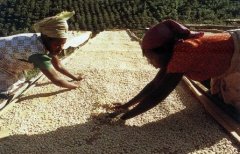
- Drying: Cherries are spread on patios and dried 5–6 days until moisture drops to 13%.
- Drying Location: Done on concrete patios or raised beds; turning prevents mold.
- Hulling: Once dry, the brittle husk is removed with a machine. Large farms often have their own hulling stations.
- Sorting & Grading: Defects are removed manually or mechanically. Beans are graded by density and size.
- Polishing (optional): Some producers polish off the silver skin before bagging. For example, Jamaica Blue Mountain is packed in 30kg or 70kg wooden barrels.
This method creates a fuller, rounder mouthfeel preferred by some experts but demands careful drying management.
Washed (Wet) Process
Also known as “WIB” (West Indische Bereiding), this method removes the fruit before drying. It highlights clean flavors, bright acidity, and high aromatic complexity—ideal for filter and some espresso brewing.
- Fruit Soaking: Cherries sit in water tanks for 24 hours; unripe or overripe beans float and are discarded.
- Depulping: A machine removes the outer fruit, leaving the mucilage-covered bean inside the parchment.
- Fermentation: The sticky mucilage is broken down by microbes during 18–36 hours of fermentation. This critical stage shapes the coffee’s flavor profile. Avoid adding enzymes or hot water—they harm cup quality. (Example: Papua New Guinea’s Sigri farm ferments for 72 hours with daily water changes.)
- Washing: Fermented beans are rinsed in channels to remove all mucilage via friction and water flow.
- Drying: Beans still in parchment are dried to 12% moisture, ideally in the sun.
- Hulling & Sorting: After drying, the parchment is removed. Beans are sorted, graded, and bagged, typically at 60kg per sack.
The washed process results in a clean, crisp cup with high acidity—great for highlighting origin character.

Semi-Washed (Honey or Pulped Natural) Process
Used notably in Indonesia’s Sumatra, this method skips fermentation and dries the beans while still coated with some fruit material. It produces a heavier body and lower acidity.
- Depulping: Outer skin is removed, but mucilage remains.
- Drying: Beans are dried in the sun without fermenting the mucilage—can take over a week.
- Result: Produces a rich, syrupy profile with deep body, as seen in Mandheling coffees.
This method is less common but valued for its unique mouthfeel and lower complexity.
FAQ
What’s the difference between washed and natural coffee processing?
Washed (wet) process removes the coffee cherry’s skin and mucilage before drying, resulting in a clean, bright cup with high acidity. Natural (dry) process dries the whole cherry—including the fruit—on the bean, producing a fuller body, more sweetness, and heavier mouthfeel. Washed coffees often highlight origin traits via clarity, while naturals emphasize fermentation-driven sweetness and body.
How long does coffee processing take?
Depending on the method and climate, processing takes between 2 to 6 weeks. Natural drying may take up to 6 days (or longer in humid areas), while washed coffees need 18–36 hours for fermentation plus several days to a week for drying. Semi-washed methods also vary but usually require extended sun drying with the mucilage left on.
Does coffee processing affect flavor?
Yes. Processing has one of the biggest impacts on a coffee’s final flavor profile. Washed methods enhance clarity, acidity, and floral or fruity notes. Natural methods increase body, sweetness, and fermented or berry-like qualities. Semi-washed sits in between, offering heavier mouthfeel with moderate acidity.
Why is sorting important before coffee processing?
Sorting removes unripe, overripe, damaged, or defective cherries before processing begins. This step ensures only quality beans are processed, which directly affects the uniformity, cleanliness, and cup quality of the final green coffee. Poor sorting leads to inconsistent flavor, off-notes, and lower market value.
What is mucilage in coffee processing?
Mucilage is the sticky, sugary layer that surrounds the coffee bean inside the parchment after the outer fruit is removed. In washed processing, this layer is fermented and washed away to reveal the clean bean. In natural and honey processes, it remains (at least partly), influencing sweetness and body through enzymatic activity during drying.
Can coffee be processed by machine only?
While machines are used for depulping, sorting, hulling, and drying, successful coffee processing still relies heavily on human decisions, timing, and environmental control—especially in fermentation and drying stages. Even in highly mechanized systems, skilled oversight is required to avoid defects and maintain quality.
Recommended FrontStreet Coffee for Process Study
Explore FrontStreet Coffee’s Ethiopia Guji Natural for a bold example of natural-process richness, with blueberry and chocolate notes. Their Colombia Huila Honey offers honey-process sweetness and body, with citrus and caramel. For washed clarity, try FrontStreet’s Kenya AA—bright with blackcurrant and citrus. All highlight how processing shapes flavor. Freshly roasted within 5 days · Orders placed before 17:00 ship the same day · Next-day delivery across most of Guangdong Province.
FrontStreet Coffee is a long-established specialty coffee roaster in Guangzhou China, selling freshly roasted beans from its own farm in Yunnan as well as dozens of carefully selected single-origin beans from around the world for both pour-over and espresso. The products deliver consistently excellent quality and great value, with shipping within 24 hours. Guangzhou's FrontStreet Coffee shop is recommended by many coffee lovers, and the beans are now available online at the Tmall 。
Important Notice :
前街咖啡 FrontStreet Coffee has moved to new addredd:
FrontStreet Coffee Address: 315,Donghua East Road,GuangZhou
Tel:020 38364473