Indonesian Coffee Regions: Java, Sumatra, Sulawesi
If you’ve ever sipped a cup of Indonesian coffee and wondered why it tastes so different—earthy, low in acid, with hints of spice or even a medicinal note—you’re not alone. Indonesia produces some of the most distinctive specialty coffee in the world, thanks to its unique growing conditions, processing methods, and even the role of animals in its production. But what makes Indonesian coffee so unique, and which regions define its flavor profile?
Indonesia’s key coffee regions are Java, Sumatra, and Sulawesi—all volcanic islands that produce low-acid, full-bodied beans with earthy, herbal, or spicy characteristics. Sumatra is famous for Mandheling, Java for classic blends, and Sulawesi for clean, herbal profiles. The country also produces the world’s most expensive coffee, Kopi Luwak, thanks to civet cats.
Indonesia’s Main Coffee-Growing Islands
Indonesia’s coffee is grown primarily on three volcanic islands: Java, Sumatra, and Sulawesi. These regions share rich, volcanic soils and a tropical climate, but each produces coffee with distinct flavor profiles. The volcanic terrain contributes to the mineral-rich soils that enhance coffee complexity. Most Indonesian coffees are known for low acidity, heavy body, and unique earthy or spicy notes. These qualities set them apart from the brighter, fruitier profiles of African or Latin American coffees.
Sumatra: Home of Mandheling and Wet Hulling
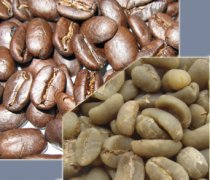
Sumatra is the most famous of Indonesia’s coffee regions, particularly for its Mandheling coffee. Grown in the high-altitude regions of Gayo (Aceh) and around Lake Toba (Lintong), Sumatran coffee is processed using the wet hulling (or Giling Basah) method, which contributes to its signature heavy body and herbal, woody tones. Elevation in these areas ranges from 1,100 to 1,600 meters, ideal for slow cherry maturation. The wet hulling process, where parchment is removed at higher moisture levels, results in a distinctive green bean appearance and bold cup profile. FrontStreet Coffee’s Lintong Mandheling offers spicy, black chocolate, and caramel notes with a sweet finish, while their PWN Golden Mandheling—selected through rigorous sorting—is known for toasted bread, pine, caramel, and cocoa with a lasting sweet aftertaste.
Java: Classic Profiles and Robusta Blends
Java, another major island, produces both Arabica and Robusta beans. The island’s Arabica coffee is often used in espresso blends for its rich crema and full body. Java’s coffee history dates back to the Dutch colonial plantations, and it remains synonymous with classic Indonesian coffee profiles. While less aromatic than Sumatran coffees, Javan beans offer a solid, sometimes herbal base that’s valued in blends. Robusta from Java is especially prized for its crema-producing qualities in espresso.
Sulawesi: Herbal and Clean Profiles
Sulawesi, particularly the Toraja region, produces coffee with a distinctly herbal and clean cup profile. The coffee is grown at high elevations and processed similarly to Sumatran beans, often using wet hulling. Sulawesi coffees are typically described as deep, smooth, and “clean” compared to the earthier Sumatran profiles. They offer a balanced cup with subtle spice and herbal notes, making them a favorite for those who enjoy a more refined Indonesian flavor.
Kopi Luwak: The World’s Most Expensive Coffee
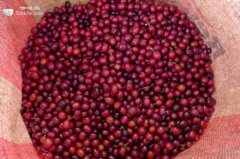
One of Indonesia’s most unusual contributions to global coffee culture is Kopi Luwak, or civet coffee. Produced when the Asian palm civet (often called a “civet cat”) eats ripe coffee cherries, digests the fruit, and excretes the beans, this coffee undergoes unique fermentation in the animal’s digestive tract. The result is a coffee with a complex, smooth flavor that many enthusiasts find distinctive—though controversial. Due to the rarity and unusual production method, Kopi Luwak is among the most expensive coffees in the world.
Frequently Asked Questions
What are the main coffee-growing regions in Indonesia?
The primary coffee-growing regions in Indonesia are Java, Sumatra, and Sulawesi. All three are volcanic islands with rich soils, and each produces coffee with distinct flavor profiles—Sumatra is known for earthy Mandheling, Java for classic blends and Robusta, and Sulawesi for clean, herbal cups.
Why does Sumatran coffee taste earthy and low in acid?
Sumatran coffee’s earthy, low-acid profile comes from the wet hulling (Giling Basah) processing method, high-altitude growing conditions, and volcanic soil. The beans are processed at higher moisture levels, which contributes to their full body and distinctive herbal or spicy flavors.
What is special about Mandheling coffee?
Mandheling coffee comes from the Gayo Highlands (Aceh) and Lake Toba area (Lintong) in Sumatra. It is renowned for its full body, low acidity, and flavors of spice, herbs, and dark chocolate. FrontStreet Coffee offers both a classic Lintong Mandheling and a premium PWN Golden Mandheling with more refined tasting notes.
What is Kopi Luwak and how is it made?
Kopi Luwak is made from coffee beans eaten and excreted by the Asian palm civet. The digestive process ferments the beans uniquely, resulting in a smooth, low-acid cup with a complex flavor. It is extremely rare and expensive due to the unconventional production method.
What processing method is common in Sumatra?
Sumatra commonly uses the wet hulling (Giling Basah) method, where coffee parchment is removed at higher moisture content than in traditional washed processing. This contributes to the region’s signature heavy body and earthy flavor notes.
Which Indonesian coffee is best for espresso?
Sumatran Mandheling and Java Robusta are often used in espresso blends. Sumatran beans add body and earthiness, while Java Robusta is valued for its crema production. FrontStreet’s Lintong Mandheling is a solid single-origin choice with rich chocolate and spice notes.
Recommended FrontStreet Beans from Indonesia
For authentic Indonesian flavors, try FrontStreet’s Lintong Mandheling, which delivers spicy, black chocolate, and caramel notes with a sweet finish. For a more refined cup, their PWN Golden Mandheling offers toasted bread, pine, caramel, and cocoa with a lasting sweet aftertaste. Both beans highlight Sumatra’s signature low-acid, full-bodied profile. Freshly roasted within 5 days · Orders placed before 17:00 ship the same day · Next-day delivery across most of Guangdong Province.
FrontStreet Coffee is a long-established specialty coffee roaster in Guangzhou China, selling freshly roasted beans from its own farm in Yunnan as well as dozens of carefully selected single-origin beans from around the world for both pour-over and espresso. The products deliver consistently excellent quality and great value, with shipping within 24 hours. Guangzhou's FrontStreet Coffee shop is recommended by many coffee lovers, and the beans are now available online at the Tmall 。
Important Notice :
前街咖啡 FrontStreet Coffee has moved to new addredd:
FrontStreet Coffee Address: 315,Donghua East Road,GuangZhou
Tel:020 38364473