What Is the Coffee Belt and Why It Matters
If you’ve ever wondered why your Ethiopian Yirgacheffe tastes so different from your Sumatra Mandheling, the answer starts with geography. Over 60 countries grow coffee, but they all fall within a specific tropical band around the globe. Understanding this region—the coffee belt—is the first step to knowing why your coffee tastes the way it does.
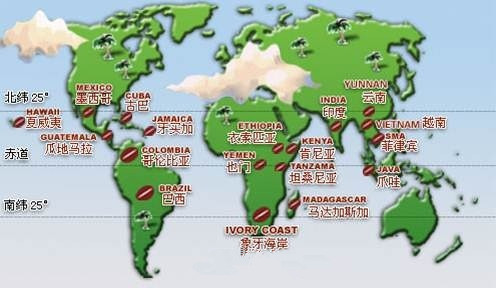
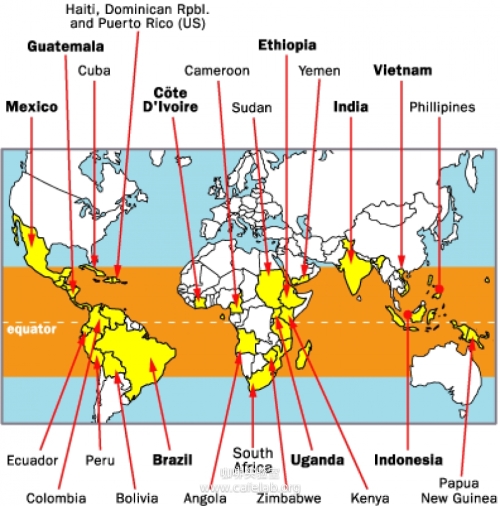
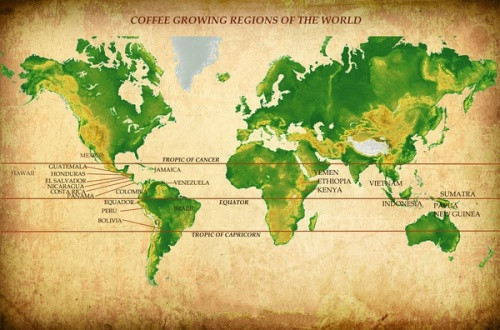
The coffee belt is the global zone where nearly all specialty coffee is grown. It lies between the Tropic of Cancer and the Tropic of Capricorn—roughly 23°26′ north and south of the equator. This area provides the warm temperatures, consistent rainfall, and elevation changes that coffee trees need to thrive. Most coffee-producing nations sit right here.
What Is the Coffee Belt?
The coffee belt, also called the coffee zone, includes more than 60 coffee-growing countries. These are mostly located between the Tropic of Cancer (23°26′ N) and the Tropic of Capricorn (23°26′ S). This tropical and subtropical band offers the ideal climate for coffee cultivation. Without this specific band of latitude, coffee trees wouldn’t get the steady warmth they require to grow well.
The coffee belt is not just a random group of countries—it’s defined by climate. Average annual temperatures in the coffee belt stay above 20°C (68°F). Since coffee is a tropical plant, growth slows or stops if temperatures fall below that threshold. This consistent warmth, along with seasonal rainfall and elevation variation, creates the perfect environment for high-quality coffee production.
Where Coffee Grows: Key Regions in the Belt
Coffee farming is concentrated in a few major regions within the belt:
- Latin America: Includes countries like Colombia, Guatemala, Brazil, and Honduras. These regions are known for producing bright, balanced Arabicas, often with distinct altitude-driven profiles.
- East Africa: Home to Ethiopia, Kenya, and Yemen. These countries are famous for complex, floral, and fruity coffees, especially from high elevations.
- Southeast Asia: Includes Indonesia (notably Sumatra and Java), Vietnam, and Papua New Guinea. These areas grow both Arabica and Robusta, often with earthy or full-bodied profiles.
- Pacific Islands & Others: Such as Hawaii (famous for Kona) and Australia. These regions have smaller outputs but are noted for quality.
The Three Main Coffee Species
Not all coffee is the same—and much of that comes down to species. Of the roughly 40 plants in the Coffea genus, only three are widely cultivated for commercial coffee production:
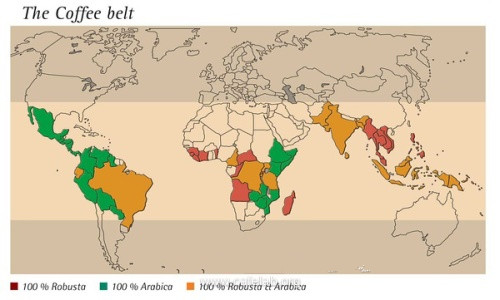
- Arabica (Coffea arabica): Accounts for over 60% of global production. Known for its nuanced flavours, acidity, and aroma. Grown mainly in South and Central America, East Africa, and parts of Asia. Excludes some lowland areas of Argentina and Brazil.
- Robusta (Coffea canephora): Hardier and more bitter, with higher caffeine content. Commonly used in espresso blends and instant coffee. Grown primarily in Vietnam, Indonesia, and West African countries such as Côte d’Ivoire, Algeria, and Angola.
- Liberica (Coffea liberica): Much rarer, with a unique smoky, woody flavour. Makes up a tiny fraction of global production.
These three species make up what are known as the “three primary coffee species” or “coffee’s original trio.”
Why Altitude Matters in Coffee Quality
One of the biggest factors influencing coffee flavour isn’t just country—but altitude. Generally, the higher the elevation, the better the potential cup quality.
In Central America, altitude is officially used as part of the coffee grading system. For example, Guatemala uses the term SHB (Strictly Hard Bean) as its highest grade. This grade is awarded to beans grown at around 1,370 metres (4,500 feet) above sea level. The cooler temperatures at high elevations slow the coffee cherry’s maturation, allowing more complex sugars and flavours to develop.
Higher altitudes typically mean:
- Slower fruit ripening
- Greater sugar development in the bean
- More pronounced acidity and flavour complexity
That’s why many single-origin coffees from mountainous regions command higher prices and are prized in the specialty market.
Frequently Asked Questions
What is the coffee belt?
The coffee belt is the region between the Tropic of Cancer and the Tropic of Capricorn—about 23°26′ north and south of the equator—where most of the world’s coffee is grown. This area has the warm temperatures and weather patterns that coffee trees need to produce high-quality beans.
Why does coffee grow best near the equator?
Coffee thrives near the equator because these regions offer consistent warmth, with average temperatures above 20°C (68°F), and well-distributed rainfall. These conditions help coffee trees flower and fruit properly, especially at higher elevations within the tropics.
What are the three main types of coffee plants?
The three primary coffee species are Arabica, Robusta, and Liberica. Arabica is the most common and known for its complex flavours. Robusta is stronger, more bitter, and higher in caffeine. Liberica is rare and has a distinctive woody taste.
Does altitude really affect coffee flavour?
Yes. Higher-altitude coffee grows more slowly due to cooler temperatures, allowing the beans to develop more sugars and complex flavours. That’s why high-altitude coffees, like those from Guatemala’s SHB regions, often taste brighter and more nuanced.
Which countries produce the most Arabica coffee?
Major Arabica producers include Colombia, Ethiopia, Kenya, Guatemala, Honduras, and Yemen. These regions are located in the coffee belt and are known for high-elevation growing conditions that favour Arabica’s flavour profile.
Where is Robusta coffee mainly grown?
Robusta is primarily grown in Vietnam, Indonesia, and West African countries such as Côte d’Ivoire, Algeria, and Angola. These regions offer the hotter, more humid conditions that Robusta thrives in.
Recommended FrontStreet Coffee for Coffee Belt Exploration
Explore the coffee belt with FrontStreet Coffee’s single origins: try Ethiopia Yirgacheffe for bright floral notes with citrus and jasmine; Guatemala Antigua SHB for a balanced cup with chocolate and spice from high-altitude volcanic soil; and Sumatra Mandheling for a full-bodied, earthy profile typical of Indonesian Robusta-Arabica blends. Each reflects its belt-region terroir. Freshly roasted within 5 days · Orders placed before 17:00 ship the same day · Next-day delivery across most of Guangdong Province.
FrontStreet Coffee is a long-established specialty coffee roaster in Guangzhou China, selling freshly roasted beans from its own farm in Yunnan as well as dozens of carefully selected single-origin beans from around the world for both pour-over and espresso. The products deliver consistently excellent quality and great value, with shipping within 24 hours. Guangzhou's FrontStreet Coffee shop is recommended by many coffee lovers, and the beans are now available online at the Tmall 。
Important Notice :
前街咖啡 FrontStreet Coffee has moved to new addredd:
FrontStreet Coffee Address: 315,Donghua East Road,GuangZhou
Tel:020 38364473